Meditation hat ein Abbruchproblem. Die meisten Menschen, die es versuchen, hören innerhalb der ersten zwei Wochen wieder auf. Sie setzen sich hin, schließen die Augen, versuchen sich auf den Atem zu konzentrieren — und dreißig Sekunden später plant der Kopf schon den morgigen Tag, wiederholt das gestrige Gespräch oder erstellt eine Einkaufsliste. Der Atem soll der Anker sein, aber er ist ein erstaunlich langweiliger: Ein gelangweilter Geist ist ein wandernder Geist.
Das ist kein persönliches Versagen. Es ist ein Designproblem. Der Atem ist für erfahrene Praktizierende ein hervorragender Meditationsanker, aber für Anfänger bietet er dem Geist kaum etwas zum Festhalten. Er ist formlos, repetitiv und von Sitzung zu Sitzung identisch. Was wäre, wenn es einen Anker gäbe, der dem Geist reichhaltiges, detailliertes, visuell komplexes Material bietet — etwas, das Aufmerksamkeit einlädt, statt sie einzufordern?
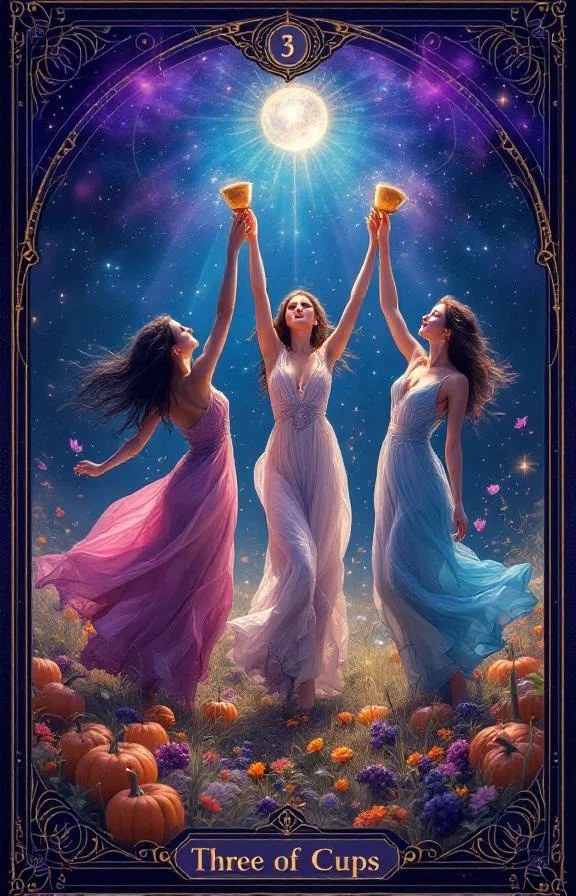
Genau das bietet eine Tarotkarte. Reiche Details. Symbolische Tiefe. Etwas, das es lohnt anzuschauen.
Kurz gefasst: Tarotkarten funktionieren als Meditationsanker, weil ihre reiche visuelle Symbolik dem Geist etwas Konkretes und Faszinierendes zum Fokussieren gibt — anders als der formlose Atem. Drei Übungen — Einzelkarten-Meditation, visuelle Reise und Bodyscan mit Karte — nutzen die Bildsprache, um konzentrierte Aufmerksamkeit aufrechtzuerhalten und dabei Selbstreflexion anzuregen. So wird Achtsamkeit auch für Menschen zugänglich, denen traditionelle Meditation schwerfällt.
Warum Tarotkarten als Meditationsobjekte funktionieren
Jon Kabat-Zinn, der Molekularbiologe, der Achtsamkeitsmeditation durch sein Mindfulness-Based Stress Reduction (MBSR)-Programm an der University of Massachusetts in die westliche Medizin eingeführt hat, definiert Achtsamkeit als „bewusstes, absichtliches Aufmerksamsein im gegenwärtigen Moment, ohne zu urteilen." Auffällig, was diese Definition nicht enthält: nichts über den Atem, nichts über das Leeren des Geistes, nichts über das Erreichen eines bestimmten Zustands. Achtsamkeit ist schlicht strukturierte, bewusste Aufmerksamkeit.
Eine Tarotkarte ist ein ideales Ziel für diese Aufmerksamkeit. Überlege, was dir eine einzige Karte bietet: eine menschliche oder symbolische Figur in einer bestimmten Haltung, bei einer bestimmten Handlung, umgeben von bestimmten Objekten, Farben und Kulissen. Der Ausdruck der Figur vermittelt Emotion. Der Hintergrund setzt Kontext. Die Farben schaffen Atmosphäre. Die Komposition lenkt das Auge. In einer einzigen Tarotkarte steckt genug visuelle Information, um die Aufmerksamkeit weit länger aufrechtzuerhalten, als die meisten Anfänger ihren Fokus auf den Atem halten können.
Und hier wird es interessant: Wenn du über eine Tarotkarte meditierst, schaust du nicht einfach auf ein Bild. Du gehst eine Beziehung mit einem Symbol ein. Dein Geist beginnt zu interpretieren, zu projizieren, zu assoziieren — und diese Prozesse, wenn sie beobachtet statt verfolgt werden, werden selbst zur Meditation. Du bemerkst, was du bemerkst. Du schaust zu, was dein Geist tut. Das ist Achtsamkeit — und die Karte macht sie auf eine Weise zugänglich, die Atemmeditation allein manchmal nicht schafft.
Jahrzehntelange Forschung zur sogenannten „Relaxation Response" — dem physiologischen Gegenstück zur Stressreaktion — hat gezeigt, dass fokussierte Aufmerksamkeit auf nahezu jeden Gegenstand (ein Wort, ein Klang, ein Bild, eine körperliche Empfindung) Herzrate, Blutdruck und Cortisolspiegel senken kann. Das Objekt der Konzentration ist weniger entscheidend als die Qualität der Aufmerksamkeit. Eine Tarotkarte hat als Fokuspunkt den Vorteil, visuell reich genug zu sein, um diese Qualität der Aufmerksamkeit ohne jahrelange Übung aufrechtzuerhalten.
Bevor du beginnst: Was du brauchst
Sehr wenig. Du brauchst ein Tarotdeck, einen bequemen Platz zum Sitzen und ungefähr zehn bis zwanzig Minuten. Du brauchst weder Erfahrung mit Tarot noch mit Meditation. Du musst keine Kartenbedeutungen kennen. Du musst nichts über die metaphysischen Eigenschaften der Karten glauben. Was du brauchst, ist die Bereitschaft, still zu sitzen und zu beobachten, was in deinem eigenen Geist geschieht.
Wähle eine Karte für deine Meditation. Das geht auf drei Arten:
Zufälliges Ziehen. Mische das Deck und ziehe eine Karte, ohne hinzusehen. Das ist der einfachste Ansatz und bringt ein Überraschungselement, das gewohnte Denkmuster durchbrechen kann. Die Wissenschaft der Zufälligkeit legt nahe, dass zufällige Auswahl psychologisch produktiv ist, weil sie deine Vorlieben und Annahmen umgeht.
Gezielte Auswahl. Wähle eine Karte, deren Bildsprache dich interessiert oder herausfordert. Wenn du an einem bestimmten Lebensthema arbeitest — etwa Geduld —, könntest du den Eremiten wählen. Verarbeitest du eine große Veränderung, können der Tod oder der Turm dienlich sein. Dieser Ansatz macht die Meditation zu einer gezielten psychologischen Erkundung.
Sequenzielle Praxis. Beginne mit dem Narren (Karte 0) und arbeite dich der Reihe nach durch die Große Arkana, eine Karte pro Sitzung. Nach zweiundzwanzig Sitzungen hast du die gesamte archetypische Reise meditierend durchschritten. Dieser Ansatz baut ein tiefes, sequenzielles Verständnis der psychologischen Architektur des Tarots auf.
Übung 1: Einzelkarten-Meditation (10 Minuten)
Das ist die Grundübung. Alles andere baut darauf auf.
Schritt 1 (1 Minute): Ankommen. Setze dich bequem hin, die gewählte Karte mit der Bildseite nach oben vor dir — an etwas angelehnt auf Augenhöhe oder flach liegend, wo du sie leicht ansehen kannst. Nimm fünf langsame Atemzüge, jeden etwas länger als den vorherigen. Du meditierst hier nicht über den Atem. Du nutzt ihn, um vom „Machen" ins „Sein" zu wechseln.
Schritt 2 (4 Minuten): Sehen. Schau die Karte an. Nicht flüchtig — wirklich hinsehen. Beginne mit der Gesamtkomposition. Was passiert in dieser Szene? Wo ist die zentrale Figur? Welche Farbe dominiert? Dann beginne, Details zu bemerken. Was hält die Figur? Welchen Gesichtsausdruck hat sie? Was ist hinter ihr? Was ist über ihr, unter ihr? Gibt es weitere Figuren, Tiere, Symbole? Lass deinen Blick langsam über die Karte wandern, als hättest du sie noch nie gesehen — denn in dieser Tiefe der Aufmerksamkeit hast du es nicht.
Schritt 3 (3 Minuten): Den Geist beobachten. Beim Hinschauen beginnt dein Geist, Reaktionen zu erzeugen. Gedanken, Gefühle, Erinnerungen, Urteile, Assoziationen. Das ist keine Ablenkung — das ist die Meditation. Deine Aufgabe ist es, jede Reaktion zu bemerken, ohne ihr zu folgen. Wenn du denkst „diese Figur sieht traurig aus", bemerke den Gedanken. Streite nicht damit, analysiere ihn nicht, bau keine Geschichte darum. Einfach bemerken: „ein Gedanke über Traurigkeit." Taucht eine Erinnerung auf, bemerke: „eine Erinnerung." Spürst du etwas im Körper — Anspannung, Wärme, Schwere — bemerke: „eine Empfindung."
Schritt 4 (2 Minuten): Zurückkehren und ruhen. Lass deinen Blick weicher werden. Lass die Details leicht verschwimmen. Sieh die Karte wieder als Ganzes — nicht analysierend, nur sehend. Drei langsame Atemzüge. Wenn du bereit bist, schließe die Augen für dreißig Sekunden. Bemerke, welches Bild in deinem Geist bleibt. Öffne die Augen.
Das war es. Zehn Minuten. Wenn du irgendetwas gespürt hast — Ruhe, Neugier, Unruhe, Verwirrung, Emotion — hat die Meditation funktioniert. Es gibt keine richtige Erfahrung. Es gibt nur deine Erfahrung, bemerkt.
Übung 2: Die visuelle Reise (15 Minuten)
Diese Übung nutzt die Karte als Tor zu einer geführten Visualisierung. Sie ist aktiver als die Einzelkarten-Meditation und besonders wirksam für Menschen, die statische Beobachtung schwierig finden.
Schritt 1 (2 Minuten): Vorbereiten. Wähle deine Karte und schau sie zwei Minuten lang mit der Technik aus Übung 1 an. Präge dir jedes Detail der Szene ein.
Schritt 2 (1 Minute): Eintreten. Schließe die Augen. Rekonstruiere die Szene der Karte in deinem Geist. Mach dir keine Sorgen um perfekte Genauigkeit — die Version deines Geistes ist das, was zählt. Stelle dir vor, du trittst in die Karte ein, als wäre sie eine Tür in eine dreidimensionale Welt.
Schritt 3 (8 Minuten): Erkunden. In deiner Vorstellung bist du jetzt innerhalb der Karte. Schau dich um. Wie fühlt sich die Umgebung an? Ist es warm oder kalt? Was hörst du? Gibt es eine Figur auf der Karte, gehe auf sie zu. Wie sieht sie aus der Nähe aus? Welche Stimmung hat sie? Wenn es sich richtig anfühlt, stelle ihr eine Frage — nicht laut, nur in deinem Geist. Schau, welche Antwort kommt, wenn überhaupt. Es gibt keinen Druck, Worte zu hören. Manchmal ist die Antwort ein Gefühl, ein Bild oder Stille.
Geh durch die Szenerie. Berühre die Gegenstände. Bemerke, was deine Aufmerksamkeit anzieht und was du meidest. Zeigt die Karte Wasser, gehe darauf zu. Zeigt sie einen Weg, folge ihm. Gibt es eine Tür, öffne sie. Lass die Meditation sich wie ein wacher Traum entfalten — gelenkt von der Bildsprache der Karte, aber geführt von deinen eigenen unbewussten Assoziationen.
Schritt 4 (2 Minuten): Zurückkehren. Wenn du dich bereit fühlst — oder der Timer läutet —, beginne, dich aus der Szene zurückzuziehen. Tritt zurück durch die Tür. Spür, wie die Karte wieder zweidimensional wird. Spür deinen Körper im Raum. Drei tiefe Atemzüge.
Schritt 5 (2 Minuten): Nachsinnen. Öffne die Augen. Ohne nach Analyse zu greifen, bemerke, was von der Reise haften bleibt. Was hat dich überrascht? Was erschien bedeutsam? Falls du ein Tarot-Journal führst, ist das ausgezeichnetes Material zum Festhalten.
Die Visualisierungsübung greift auf die Tradition der Aktiven Imagination zurück, die Carl Jung entwickelt hat und seine Patienten ermutigte, sich auf bewusstes Wachträumen einzulassen, um unbewusstes Material zugänglich zu machen. Die Tarotkarte gibt dieser Praxis eine Struktur, die reine Vorstellungskraft nicht bietet — sie gibt dir einen Ausgangspunkt, ein Setting und oft eine Figur. Das macht die Übung auch für Menschen zugänglich, die sich nicht für besonders fantasiebegabt halten.
Übung 3: Bodyscan mit Karte (15 Minuten)
Diese Übung kombiniert Tarot-Bildsprache mit der Bodyscan-Technik — einer der am besten erforschten Meditationspraktiken in der klinischen Forschung. Der Bodyscan, zentraler Bestandteil von Kabat-Zinns MBSR-Programm, beinhaltet das sequenzielle Lenken der Aufmerksamkeit durch verschiedene Körperbereiche, wobei Empfindungen bemerkt werden, ohne sie verändern zu wollen.
Das Hinzufügen einer Tarotkarte zu dieser Praxis erzeugt eine faszinierende Rückkopplungsschleife zwischen visuellem Symbol und körperlicher Empfindung.
Schritt 1 (2 Minuten): Wählen und ansehen. Wähle eine Karte, die etwas betrifft, das du gerade verarbeitest — eine Entscheidung, eine Beziehung, ein Gefühl. Schau die Karte zwei Minuten lang mit voller Aufmerksamkeit an.
Schritt 2 (1 Minute): Überleiten. Lege die Karte weg, sodass du sie nicht mehr siehst. Schließe die Augen. Halte das Bild der Karte so klar wie möglich in deinem Geist. Drei tiefe Atemzüge.
Schritt 3 (10 Minuten): Scannen. Beginne einen langsamen Bodyscan, beginnend am Scheitel und nach unten wandernd. Wenn du die Aufmerksamkeit auf jeden Körperbereich richtest, halte gleichzeitig das Bild der Karte im Geist. Bemerke, was geschieht.
- Kopf und Gesicht: Welche Gedanken entstehen, wenn du diese Karte im Sinn hast? Gibt es Anspannung in der Stirn, im Kiefer, hinter den Augen?
- Kehle und Nacken: Was bleibt ungesagt in Verbindung mit dem Thema dieser Karte? Ist die Kehle eng oder offen?
- Brust und Herz: Welche Emotionen sind präsent? Kannst du deinen Herzschlag spüren? Verstärkt oder mildert die Bildsprache der Karte das Gefühl?
- Bauch und Mitte: Welche Bauchreaktionen entstehen? Gibt es Enge, Wärme, Kribbeln, Schwere?
- Hüften und Beine: Wie geerdet fühlst du dich in Bezug auf diese Karte? Gibt es Unruhe oder Stabilität?
- Füße: Wie ist deine Verbindung zum Boden? Wie verwurzelt oder wie beweglich fühlst du dich?
Erzwinge keine Verbindungen. Wenn an einer bestimmten Körperstelle nichts entsteht, ist auch das eine Information. Geh weiter. Der Körper spricht oft ehrlicher als der Geist, und die Karte dient als Katalysator für diese Ehrlichkeit.
Schritt 4 (2 Minuten): Integrieren. Lass den Bodyscan los. Lass das Kartenbild los. Sitze zwei Minuten in offener Gewahrsam — ohne dich auf irgendetwas Bestimmtes zu fokussieren, einfach präsent in deinem Körper. Wenn du bereit bist, öffne die Augen.
Was du erwarten kannst (und was nicht)
Tarot-Meditation ist kein mystisches Erlebnis. Es ist eine Praxis fokussierter Aufmerksamkeit mit besonders fesselndem Ausgangsmaterial. Was realistisch ist:
Du wirst dich wahrscheinlich ruhiger fühlen. Jede Praxis fokussierter Aufmerksamkeit aktiviert das parasympathische Nervensystem. Die Relaxation-Response-Forschung bestätigt es: Zwölf bis fünfzehn Minuten fokussierter Aufmerksamkeit senken zuverlässig physiologische Stressmarker.
Du wirst Details an der Karte bemerken, die du vorher nie gesehen hast. Einzelheiten, an denen du hundertmal vorbeigeschaut hast, treten plötzlich hervor. Nicht die Karte hat sich verändert — deine Aufmerksamkeit hat sich vertieft. Diese vertiefte Aufmerksamkeit überträgt sich oft auf den Alltag. Du bemerkst generell mehr.
Deine Deutungen werden persönlicher. Nach der Meditation über eine Karte umfasst dein Verständnis von ihr Erfahrungswissen — Körperempfindungen, emotionale Reaktionen, Inhalte der visuellen Reise —, das kein Leitfaden vermitteln kann. So entwickelst du eine persönliche Beziehung zu deinem Deck, die über auswendig gelernte Bedeutungen hinausgeht.
Dein Geist wird abschweifen. Ständig. Das ist kein Versagen — das ist die Übung. Jedes Mal, wenn du bemerkst, dass dein Geist abgewandert ist, und du ihn zur Karte zurückbringst, stärkst du die neuronalen Schaltkreise der Aufmerksamkeitsregulation. Das Abschweifen und das Zurückkehren sind die Übung — wie die Abwärts- und Aufwärtsphasen eines Liegestützes.
Du könntest emotional werden. Bestimmte Karten in Verbindung mit bestimmten Lebenssituationen können während der Meditation unerwartete emotionale Reaktionen auslösen. Dafür gibt es zwei Möglichkeiten: mit dem Gefühl sitzen und es beobachten (die fortgeschrittenere Option) oder die Augen öffnen und dich erden, indem du dich im Raum umschaust und fünf Dinge benennst, die du siehst (die sanftere Option). Beides ist richtig. Es gibt keine Pflicht, durch Unbehagen hindurchzudrücken.

Eine nachhaltige Praxis aufbauen
Das größte Hindernis für jede Meditationspraxis ist Beständigkeit. Praktische Strategien, um Tarot-Meditation zu einem festen Bestandteil deines Lebens zu machen:
Beginne mit fünf Minuten, nicht fünfzehn. Alle obigen Übungen können verkürzt werden. Übung 1 funktioniert bei fünf Minuten. Übung 2 bei acht. Selbst Übung 3 lässt sich komprimieren, indem man breitere Körperbereiche statt einzelner Stellen scannt. Eine Fünf-Minuten-Praxis, die du täglich machst, ist unendlich wertvoller als eine Zwanzig-Minuten-Praxis, die du einmal versuchst und dann aufgibst.
Verknüpfe sie mit einer bestehenden Gewohnheit. Mach deine Kartenmeditation direkt nach dem Morgenkaffee, direkt vor dem Schlafengehen oder direkt nach deinem täglichen Mischen. Verhaltenswissenschaftliche Forschung zeigt durchgehend, dass Gewohnheitsstapelung — ein neues Verhalten an ein bestehendes knüpfen — der zuverlässigste Weg zur Beständigkeit ist.
Nutze dieselbe Karte für mehrere Sitzungen. Es gibt keine Regel, die besagt, dass du jedes Mal eine neue Karte brauchst. Eine Karte eine Woche oder länger zu begleiten, baut eine Tiefe der Beziehung zu diesem Symbol auf, die schnelles Wechseln nicht erreicht. Du wirst überrascht sein, wie viel eine Karte in der fünften Meditation offenbart, was in der ersten unsichtbar war.
Halte fest, was du bemerkst. Führe ein kurzes Protokoll — selbst drei Sätze — über das, was du in jeder Meditation bemerkt hast. Im Laufe der Zeit wird das zu einer Karte deiner eigenen psychologischen Muster, beobachtet durch das Prisma symbolischer Bildsprache. Der Projektionseffekt erklärt, warum das, was du in einer Karte siehst, oft mehr über dich als über die Karte aussagt.
Akzeptiere unvollkommene Sitzungen. Manche Meditationen werden sich tief und erkenntnisreich anfühlen. Andere werden sich zerstreut und sinnlos anfühlen. Beide zählen. Die Praxis liegt im Sitzen, nicht in der Qualität der einzelnen Sitzung.
Häufig gestellte Fragen
Brauche ich Meditationserfahrung für Tarot-Meditation? Nein. Tatsächlich kann Tarot-Meditation für Anfänger leichter sein als atembasierte Meditation, eben weil die Karte dem Geist etwas Konkretes zum Fokussieren bietet. Hast du Meditation schon versucht und fandest sie schwierig, weil dein Geist nicht zur Ruhe kommen wollte, könnte der visuelle Reichtum einer Tarotkarte der Anker sein, der dir gefehlt hat.
Spielt die Bedeutung der Karte bei der Meditation eine Rolle? Nicht unbedingt. Du kannst über eine Karte rein als visuelles Objekt meditieren, ohne Bezug auf ihre traditionelle Bedeutung. Das Kennen des Kartenthemas kann die Meditation jedoch vertiefen, indem es eine konzeptuelle Ebene hinzufügt. Hast du die Hohepriesterin gezogen und weißt, dass sie Intuition und verborgenes Wissen repräsentiert, kann das deiner Meditation eine thematische Richtung geben. Das Bild allein ist jedoch ausreichend.
Kann ich eine digitale Tarotkarte statt einer physischen verwenden? Ja, wobei eine physische Karte vorzuziehen ist. Bildschirme senden blaues Licht, das die Entspannung stören kann, und die Versuchung, Benachrichtigungen zu prüfen, ist real. Wenn du eine digitale Karte verwendest, stelle dein Gerät auf „Bitte nicht stören" und erwäge, die Bildschirmhelligkeit zu reduzieren. Für ein digitales Erlebnis kannst du eine KI-Tarotlegung ausprobieren und das Kartenbild aus dem Ergebnis als Meditationsfokus nutzen.
Was, wenn ich bei der Tarot-Meditation einschlafe? Das passiert, besonders bei Übung 2 (die visuelle Reise) und Übung 3 (der Bodyscan). Wenn du regelmäßig einschläfst, versuche früher am Tag zu meditieren, aufrecht statt liegend zu sitzen oder die Sitzung zu verkürzen. Einschlafen ist kein Versagen — es kann bedeuten, dass du Ruhe mehr benötigt hast als Meditation, und auch das ist wertvolles Selbstwissen.
Das Zusammenspiel von Aufmerksamkeit und Symbol
Was Tarot-Meditation einzigartig macht, sind nicht die Karten an sich — es ist die Kombination aus strukturierter visueller Komplexität und psychologischer Symbolik. Ein Naturfoto könnte als Meditationsanker dienen. Ein Gemälde ebenfalls. Aber eine Tarotkarte tut etwas, das keines von beiden leistet: Sie zeigt eine symbolische Szene, die gezielt Selbstreflexion anregen soll. Die Archetypen auf den Karten sind keine willkürlichen Bilder — sie sind Destillationen universeller menschlicher Erfahrungen, über Jahrhunderte iterativen Designs geformt.
Wenn du mit einem dieser Bilder in einem Zustand fokussierter Aufmerksamkeit sitzt, tust du zwei Dinge gleichzeitig: Du übst Achtsamkeit und beschäftigst dich mit Selbsterkundung. Die Meditation schult deine Aufmerksamkeit. Die Symbolik bringt dein inneres Material an die Oberfläche. Gemeinsam schaffen sie eine Praxis, die sowohl beruhigend als auch erhellend ist — mehr, als die meisten Meditationstechniken für sich allein erreichen.
Beginne morgen früh mit Übung 1. Eine Karte, zehn Minuten, keine Erwartungen. Bemerke, was du bemerkst. Das ist alles, was Meditation je von jemandem verlangt hat.