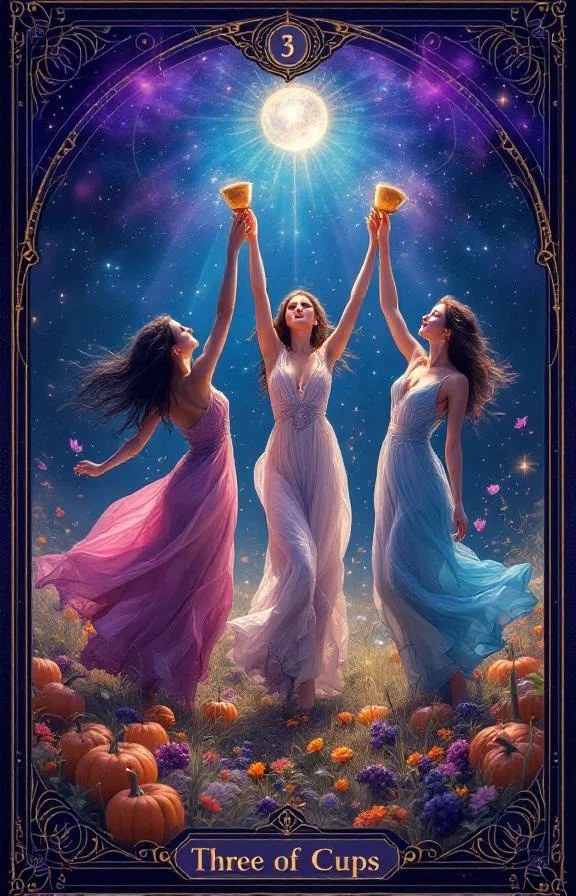
Jede große Identitätstransformation kommt mit einer Lernkurve. Ein neuer Beruf, ein Umzug in eine andere Stadt, sogar eine Ehe — all das entfaltet sich nach und nach, mit Raum zum Anpassen, Überdenken, Verlangsamen. Die Schwangerschaft bietet diesen Luxus nicht. Sie kommt mit einer Deadline. Neun Monate, um jemand zu werden, der man noch nie war. Vierzig Wochen, um sich auf eine Rolle vorzubereiten, die man nicht proben kann, die man nicht wirklich versteht, bis man mittendrin steckt — und die man nicht mehr rückgängig machen kann, sobald sie beginnt. Kein anderer menschlicher Übergang ist gleichzeitig so universal und so psychologisch tiefgreifend.
Und dennoch dreht sich der gesellschaftliche Umgang mit Schwangerschaft fast ausschließlich um den Körper. Was man essen soll, welche Übungen sicher sind, wie man während der Geburt atmet, welcher Kinderwagen das beste Sicherheitsrating hat. Die psychologische Vorbereitung — die Tatsache, dass man nicht nur einen Menschen heranwachsen lässt, sondern auch eine neue Version von sich selbst — bekommt einen Bruchteil der Aufmerksamkeit. Die Annahme, weitgehend unhinterfragt, dass die elterliche Identität einfach mit dem Baby ankommt, wie ein Software-Update, das sich automatisch installiert.
Das tut sie nicht. Die Entwicklungspsychologie zeigt: Die Identitätstransformation, die mit dem Elternwerden einhergeht, ist eine der tiefgreifendsten psychologischen Erschütterungen, die ein Mensch erleben kann — vergleichbar mit der Adoleszenz, oft noch orientierungsloser, und nahezu vollständig ohne strukturierte Reflexionswerkzeuge.
Genau hier wird Tarot überraschend nützlich. Nicht als Wahrsagerei. Nicht als Möglichkeit, Geschlecht, Temperament oder Zukunft des Kindes vorherzusagen. Sondern als strukturierte Methode, die inneren Veränderungen zu verarbeiten, die die Schwangerschaft auslöst — die Ängste, die um 3 Uhr nachts auftauchen, die Trauer um ein früheres Selbst, das gerade verschwindet, die komplizierten Gefühle, die neben der Freude bestehen und von denen niemand sagt, dass sie normal sind.
Kurz gesagt: Tarot in der Schwangerschaft begleitet die Identitätstransformation des Elternwerdens — eine Entwicklungsphase, vergleichbar mit der Adoleszenz, die die Gesellschaft kaum anerkennt. Karten wie Die Herrscherin, Ass der Kelche, Der Mond und Das Gericht sprechen von Erschaffung, emotionaler Öffnung, Angst und Erwachen. Der Becoming-Spread und der Trimester-Check-in helfen werdenden Eltern zu benennen, was sie loslassen, was entsteht und worauf sie im Übergang vertrauen müssen.
Die Psychologie des Elternwerdens
Der Begriff „Matresszenz" — 1975 geprägt und bewusst an „Adoleszenz" angelehnt — beschreibt den Prozess des Mutter-Werdens nicht als Ereignis, sondern als Entwicklungsphase. Genau wie die Adoleszenz hormonelle Turbulenzen, Identitätsverwirrung, veränderte soziale Rollen und das allmähliche Entstehen eines neuen Selbst umfasst, beinhaltet die Matresszenz all das — oft intensiver und mit weit weniger gesellschaftlicher Anerkennung.
Das Konzept war seiner Zeit voraus. Es dauerte Jahrzehnte, bis die Psychologie aufholte. Reproduktionspsychiatrie brachte es schließlich in den Mainstream und argumentierte, dass die emotionale Turbulenz des frühen Elternseins — die Ambivalenz, der Identitätsverlust, das merkwürdige Nebeneinander von Liebe und Groll — kein Zeichen des Scheiterns war, sondern ein vorhersehbares Merkmal eines Entwicklungsübergangs.
Daniel Stern, der Entwicklungspsychologe, dessen Arbeit über Eltern-Kind-Interaktion das Feld veränderte, beschrieb die sogenannte „Mutterschaftskonstellation" — eine neue psychische Organisation, die während der Schwangerschaft und im frühen Elternsein entsteht und Beziehungen, Prioritäten und das Selbstverständnis einer Person grundlegend umstrukturiert (Stern, 1995). Stern argumentierte, diese Umstrukturierung sei nicht optional. Sie geschieht, ob man bereit ist oder nicht, ob man sie will oder nicht, ob man das Vokabular hat, um zu beschreiben, was gerade passiert, oder nicht.
Die Konstellation umfasst vier Themen, die jedem vertraut sein dürften, der sie durchlebt hat: Leben-Wachstum (Kann ich dieses Kind am Leben erhalten?), primäre Verbundenheit (Kann ich dieses Kind lieben, und wird es mich lieben?), die stützende Matrix (Wer unterstützt mich dabei?) und Identitätsreorganisation (Wer bin ich jetzt?). Dieses letzte Thema bekommt am wenigsten Aufmerksamkeit und verursacht den meisten Schmerz. Denn die Identitätsverschiebung durch Elternschaft ist nicht additiv — man fügt nicht einfach „Elternteil" zu seiner bestehenden Rollenliste hinzu. Man strukturiert die gesamte Liste um. Arbeit, Freundschaften, Kreativität, Autonomie, das Verhältnis zum eigenen Körper — alles ordnet sich neu, und das passiert, bevor das Baby kommt. Es passiert in der Schwangerschaft, im Dunkeln, weitgehend unsichtbar.
Donald Winnicott, der britische Kinderarzt und Psychoanalytiker, lieferte 1953 ein weiteres Puzzlestück mit seinem Konzept der „hinreichend guten Mutter" — ein Begriff, der nach halbherzigem Lob klingt, aber tatsächlich revolutionär war. Winnicott wehrte sich gegen die kulturelle Forderung nach perfekter Elternschaft und argumentierte, dass Kinder keine makellosen Betreuer brauchen, sondern menschliche. Ein Elternteil, das manchmal versagt, den Fehler repariert und dem Kind dadurch zeigt, dass die Welt unvollkommen, aber beherrschbar ist. Der „hinreichend gute" Elternteil war kein Trostpreis. Es war das Ziel.
Zusammen beschreiben diese Forscher einen Prozess, der nichts mit den idyllischen Bildern auf Schwangerschaftswebseiten gemein hat. Eltern zu werden ist unordentlich, orientierungslos, durchzogen von Trauer — und transformativ in einer Weise, auf die die Gesellschaft einen kaum vorbereitet. Wer im siebten Monat nachts wach liegt und fragt, wer man gerade wird und ob es in Ordnung ist, all das gleichzeitig zu fühlen — die Antwort lautet: Ja. Man ist nicht kaputt. Man ist im Übergang.

Warum Tarot in der Schwangerschaft funktioniert
Tarot ist in seinem strukturellen Kern ein System, das Unsichtbares sichtbar macht. Es gibt der formlosen inneren Erfahrung — den Gefühlen, die man nicht benennen kann, den Widersprüchen, die sich nicht durch Logik auflösen lassen — eine Gestalt. Eine Karte. Ein Bild. Eine Position in einem Spread. Etwas, das man anschauen, im Geist drehen und mit sich selbst oder einem Partner besprechen kann, ohne den Druck, es „herausfinden" zu müssen.
In der Schwangerschaft wird diese Funktion aus mehreren Gründen besonders wertvoll.
Es benennt das Unbenennbare. Schwangerschaft erzeugt Gefühle, die nicht sauber in verfügbare Kategorien passen. Man kann gleichzeitig begeistert vom Baby und traurig über den Verlust der eigenen Freiheit sein. Man kann den Partner lieben und ihm gleichzeitig grollen, weil er nicht dieselbe körperliche Transformation durchlebt. Man kann sich tief verbunden fühlen mit dem Leben, das in einem heranwächst, und gleichzeitig Angst haben, dass man dem, was als Nächstes kommt, nicht gewachsen ist. Diese Widersprüche sind keine Probleme, die gelöst werden müssen. Es sind Spannungen, die gehalten werden wollen. Und Tarot ist außergewöhnlich gut darin, Widersprüche zu halten — jede Karte trägt Licht und Schatten, Geschenk und Herausforderung zugleich.
Es schafft ein Ritual der Aufmerksamkeit. Schwangerschaft erzeugt oft das Gefühl, der eigene Körper sei kolonisiert — von Arztterminen, Ernährungsvorschriften und den Meinungen anderer. Zehn Minuten mit einem Tarot-Deck zu sitzen ist ein Akt der Rückgewinnung. Ein Moment, in dem man kein Patient ist, kein Behälter, kein Gefäß für die Erwartungen anderer. Man ist ein Mensch mit einem Innenleben, und man schenkt ihm Aufmerksamkeit.
Es verarbeitet Ängste ohne Katastrophisieren. Ängste in der Schwangerschaft sind normal, hartnäckig und werden von der Medizin weitgehend ignoriert, weil sie nicht „behandelbar" sind. Man kann keine Blutuntersuchung für existentielle Angst anordnen. Aber unverarbeitete Angst verschwindet nicht — sie geht in den Untergrund und taucht als Schlaflosigkeit, Unruhe oder das vage Gefühl auf, dass irgendetwas nicht stimmt. Eine Karte wie Der Mond zu ziehen und in ihre Bildsprache einzutauchen — der Pfad zwischen zwei Türmen, Hund und Wolf, die anbellen, was sie nicht sehen können, der Krebs, der aus den Tiefen des Unbewussten auftaucht — gibt der Angst einen Behälter. Sie ist nicht verschwunden, aber sie ist gehalten. Gehaltene Angst ist weit weniger zerstörerisch als Angst, die strukturlos durch den Geist hallt.
Es öffnet Gespräche. Schwangerschaft bringt Themen auf den Tisch, über die viele Paare noch nie gesprochen haben — Werte, Erziehungsphilosophien, finanzielle Ängste, die Aufteilung unsichtbarer Arbeit. Ein Tarot-Spread kann als neutraler Ausgangspunkt dienen. „Ich habe heute die Vier der Münzen gezogen, und ich glaube, es geht um meine Angst vor finanzieller Unsicherheit" ist einfacher zu sagen als: „Ich habe Angst vor Geld und weiß nicht, wie ich das ansprechen soll."
Fünf Karten, die Schwangerschaft und frühes Elternsein widerspiegeln
Bestimmte Karten tragen während dieses Übergangs eine besondere Resonanz. Nicht weil sie Schwangerschaft oder elterliche Eignung vorhersagen, sondern weil sie das archetypische Terrain von Erschaffung, Fürsorge, Identitätstransformation und Neuanfängen abbilden.
Die Herrscherin
Die Herrscherin ist der Archetyp der Erschaffung selbst — nicht nur der biologischen, sondern der umfassenderen menschlichen Fähigkeit, etwas Neues in die Welt zu bringen und es zu erhalten. Im Rider-Waite-Smith-Deck sitzt sie auf einem Weizenfeld, mit Sternen gekrönt, ein Fluss fließt neben ihr. Sie verkörpert Fülle, Fruchtbarkeit und die geduldige Arbeit des Nährens — vom Samen bis zur Ernte.
In der Schwangerschaft erscheint Die Herrscherin oft als Erinnerung daran, dass Erschaffung kein passiver Vorgang ist. Einen Menschen zu wachsen ist aktive Arbeit — zellulär, hormonell, psychologisch — auch wenn es von außen aussieht wie Auf-dem-Sofa-Sitzen und Cracker essen. Die Herrscherin validiert, was die Gesellschaft oft abtut: dass das, was im eigenen Körper geschieht, der kreativste Akt ist, den ein Mensch vollbringen kann, und dass er dieselbe Ehrerbietung verdient wie jede andere monumentale Leistung.
Sie trägt auch einen Schatten: die Erwartung, dass Fürsorge sich natürlich, mühelos, instinktiv anfühlen sollte. Das tut sie nicht immer. Die Herrscherin in einem Moment zu ziehen, in dem man sich von der Schwangerschaft distanziert fühlt oder Angst hat, kein „natürliches" Elternteil zu sein, kann eine Einladung sein, den kulturellen Druck zu untersuchen, mütterliche Glückseligkeit zu performen — statt das zu fühlen, was wirklich da ist.
Ass der Kelche
Das Ass der Kelche steht für den Beginn eines neuen emotionalen Kapitels — ein überfließender Kelch, von unsichtbarer Hand gereicht, eine Lotusblüte auf dem Wasser. Es ist die Karte der emotionalen Öffnung, und im Kontext der Schwangerschaft spricht sie von der Fähigkeit zu einer Liebe, die noch kein Objekt hat.
Das ist eines der merkwürdigsten Merkmale des Erwartens: Man beginnt, jemanden zu lieben, den man noch nicht getroffen hat. Man kennt sein Gesicht nicht, seine Stimme, seine Persönlichkeit. Man liebt eine Idee, ein Potenzial, ein Treten gegen die Rippen. Das Ass der Kelche trifft das genau — Emotion, die vor der Beziehung existiert, Liebe, die dem Wissen vorausgeht.
Es anerkennt auch, dass diese emotionale Öffnung verletzlich ist. Der Kelch ist voll, was bedeutet, er kann überlaufen. Die neue Fähigkeit zur Liebe geht einher mit einer neuen Fähigkeit zur Angst, weil es nun mehr zu verlieren gibt. Das Ass der Kelche gibt vor, emotionale Anfänge seien unkompliziert. Es zeigt die Fülle und die Zerbrechlichkeit gleichzeitig.
Der Mond
Der Mond ist die Karte der Unsicherheit, der Intuition und des Terrains zwischen dem, was man weiß, und dem, was man fürchtet. In der Schwangerschaft spricht Der Mond von der grundlegenden Unvorhersehbarkeit dessen, was kommt. Man kann alle Elternbücher lesen, alle Kurse besuchen, jedes Detail vorbereiten — und die tatsächliche Erfahrung, ein Kind zu haben, wird einen trotzdem überraschen. Der Mond löst diese Unsicherheit nicht auf. Er lehrt, nach Gefühl zu navigieren, wenn der Weg nach vorne nicht sichtbar ist.
Für viele werdende Eltern steht Der Mond auch für das unbewusste Material, das die Schwangerschaft an die Oberfläche bringt — Kindheitserinnerungen, ungelöste Beziehungen zu den eigenen Eltern, Ängste und Muster, die jahrelang geschlummert haben. Schwangerschaft hat eine Art, die Psyche auszugraben — vergrabenes Material kommt genau dann an die Oberfläche, wenn man dabei ist, die Bedingungen zu schaffen, unter denen die eigenen Kindheitsmuster entweder wiederholt oder überarbeitet werden.
Page der Kelche
Der Page der Kelche ist die jüngste Figur im emotionalen Suit — neugierig, offen, leicht verwirrt von dem, was er fühlt. Im Rider-Waite-Smith-Bild starrt der Page auf einen Fisch, der aus einem Kelch auftaucht, mit einem Ausdruck der Überraschung, als hätte ihm die emotionale Welt gerade etwas völlig Unerwartetes präsentiert.
Diese Karte bildet direkt die Erfahrung des frühen Elternseins ab: den Moment, in dem aus der abstrakten Idee „ein Baby bekommen" die konkrete Realität eines kleinen Menschen wird, der einen auf Weisen braucht, die man nicht vorhergesehen hat. Der Page der Kelche ist die Karte des Anfängers — des Nicht-Wissens und Trotzdem-Weitermachens, mit Offenheit statt Expertise. In einer Kultur, die Kompetenz und Vorbereitung fetischisiert, gibt der Page die Erlaubnis, neu in diesem zu sein.
Das Gericht
Das Gericht handelt nicht davon, gerichtet zu werden. Es geht darum, einen Ruf zu hören — eine Aufforderung an eine neue Version von sich selbst, die immer latent war, aber eines Katalysators bedurfte, um zu entstehen. In der Rider-Waite-Smith-Illustration erheben sich Figuren aus Särgen, als Antwort auf die Trompete eines Engels. Sie werden nicht bestraft. Sie werden erweckt.
In der Schwangerschaft spricht Das Gericht von der Erkenntnis, dass Elternschaft Teile von einem selbst aktiviert, die man nicht bewusst gewählt hat zu aktivieren. Selbst wenn die Schwangerschaft geplant und gewollt war — die Erfahrung, Elternteil zu werden, schreibt etwas Fundamentales um. Das Gericht ist die Karte des Respondierens auf diese Aktivierung — des Aufstehens für den Ruf, auch wenn man nicht sicher ist, was er von einem verlangt.
Zwei Spreads für werdende Eltern
Der Becoming-Spread (5 Karten)
Dieser Spread ist für die Identitätstransformation der Schwangerschaft konzipiert — die Verschiebung von dem, wer man war, zu dem, wer man wird. Am besten im zweiten oder dritten Trimester durchgeführt, wenn die Realität der Veränderung sich gesetzt hat, das Baby aber noch nicht angekommen ist.
Die Karten in einem Bogen auslegen, von links nach rechts:
| Position | Bedeutung |
|---|---|
| 1 — Wer ich war | Die Identität, die man hinter sich lässt — nicht verliert, sondern entwächst |
| 2 — Was ich mitnehme | Die Qualitäten, Fähigkeiten und Werte aus dem früheren Selbst, die als Elternteil nützlich sein werden |
| 3 — Was ich loslasse | Die Gewohnheiten, Überzeugungen oder Selbstkonzepte, die nicht mehr passen — die Teile der alten Identität, die abgelegt werden müssen |
| 4 — Was entsteht | Die neuen Aspekte des Selbst, die die Schwangerschaft an die Oberfläche bringt — das Elternteil, das man wird |
| 5 — Worauf ich vertrauen muss | Die Ressource — intern oder extern — die einem durch den Übergang trägt |
Wie man liest: Dieser Spread dreht sich nicht um das Baby. Er dreht sich um einen selbst. Position 1 und Position 4 bilden einen Dialog zwischen vergangenem und zukünftigem Selbst. Position 3 ist oft die konfrontierendste — sie fordert auf, zu benennen, was man aufgibt, und Trauer über diesen Verlust ist berechtigt. Position 5 ist der Anker: das, was hält, wenn alles andere sich verschiebt.
Erscheint Die Herrscherin in Position 4, kann das bestätigen, dass man in eine fürsorgende Identität hineintritt, die sich natürlich anfühlt. Taucht sie in Position 1 auf, könnte es darauf hinweisen, dass Elternschaft dem eigenen Selbstbild nicht so fremd ist, wie man befürchtet.
Der Trimester-Check-in (3 Karten)
Ein einfacherer Spread, der einmal pro Trimester wiederholt werden kann — oder einmal im Monat, oder wann immer man eine strukturierte Pause braucht.
| Position | Bedeutung |
|---|---|
| 1 — Körper | Was die körperliche Erfahrung gerade sagt |
| 2 — Geist | Welche Gedanken oder Ängste Anerkennung brauchen |
| 3 — Verbindung | Der aktuelle Zustand der Verbindung zum Kind, zum Partner oder zum Unterstützungsnetz |
Wie man liest: Drei Dimensionen der Schwangerschaftserfahrung, die oft getrennt behandelt werden, aber tief miteinander verbunden sind. Körperliches Unbehagen beeinflusst den emotionalen Zustand. Nichtanerkannte Ängste beeinflussen Beziehungen. Ein starkes Unterstützungsnetz macht körperliche Herausforderungen leichter tragbar.
Diesen Spread über die Schwangerschaft hinweg zu wiederholen erzeugt ein Protokoll. Jedes Layout fotografieren und datieren. Nach der Geburt zusammen betrachtet erzählen diese Check-ins die Geschichte einer Transformation, die die ganze Zeit über stattfand — auch wenn es sich anfühlte, als würde sich nur die Taille verändern.
Was Tarot in der Schwangerschaft nicht kann (und nicht versuchen sollte)
Tarot ist ein Werkzeug zur psychologischen Reflexion. Kein medizinischer Rat. Es kann keine Komplikationen diagnostizieren, keine Ergebnisse vorhersagen und keine pränatale Versorgung ersetzen. Bei anhaltender Angst, aufdringlichen Gedanken oder anderen psychischen Belastungen ist ein Therapeut, der auf perinatale psychische Gesundheit spezialisiert ist, die richtige Anlaufstelle — kein Tarot-Deck.
Tarot kann auch nicht sagen, ob man ein guter Elternteil sein wird. Es kann helfen, wahrzunehmen, was man in die Erfahrung mitbringt — die Ängste, Muster und Annahmen, die das eigene Elternsein prägen werden, bevor man sich dessen bewusst ist. In Winnicotts Rahmen ist genau diese Achtsamkeit — die Bereitschaft wahrzunehmen, zu reparieren, unvollkommen weiterzumachen — das, was „hinreichend gut" wirklich bedeutet.
Ein Hinweis für Partner und Miteltern
Beide Spreads funktionieren für alle werdenden Eltern, unabhängig davon, ob sie die Schwangerschaft austragen. Der nicht austragenden Person geht es ebenfalls durch eine Identitätstransformation — oft mit noch weniger kulturellen Skripten, um sie zu verarbeiten. Der Becoming-Spread kann besonders wertvoll für Partner sein, die sich peripher zu einem Prozess fühlen, der dabei ist, ihr gesamtes Leben umzustrukturieren.
Manche Paare finden Wert darin, den Becoming-Spread separat zu machen und dann die Ergebnisse zu teilen. Das Gespräch danach — der Vergleich, was jeder loslässt, was jeder fürchtet, worauf jeder vertraut — bringt oft Dynamiken an die Oberfläche, die sonst unausgesprochen geblieben wären, bis sie zu Problemen wurden.
FAQ
Ist es sicher, Tarot in der Schwangerschaft zu nutzen? Tarotkarten sind illustrierte Pappstücke. Sie tragen keine elektromagnetische Ladung, keine Strahlung und keine mystische Energie, die eine Schwangerschaft beeinflussen könnte. Die eigentliche Frage ist emotionaler Natur: Wenn man eine Karte wie Der Turm oder Tod zieht — gerät man dann in Panik? Wenn mehrdeutige Symbole gerade katastrophisches Denken auslösen, ist Tarot vielleicht nicht das richtige Werkzeug für diesen Moment — nicht weil es gefährlich ist, sondern weil das Interpretationssystem auf Bedrohungserkennung kalibriert ist. Ansonsten: unbesorgt loslegen.
Kann Tarot das Geschlecht oder die Gesundheit des Babys vorhersagen? Nein. Tarot spiegelt den psychologischen Zustand der lesenden Person wider — die Themen, Ängste und Hoffnungen, die im Moment der Legung aktiv sind. Es greift nicht auf externe Fakten über Biologie, Genetik oder medizinische Ergebnisse zu. Wer behauptet, Tarot könne Schwangerschaftsergebnisse vorhersagen, bietet eine Leistung an, die es nicht gibt.
Was ist, wenn ich in Schwangerschaftslegungen nur „negative" Karten ziehe? Es gibt keine negativen Karten im Tarot — nur unbequeme. Der Mond, Der Turm oder die Fünf der Kelche in der Schwangerschaft zu ziehen spiegelt meist wider, dass Schwangerschaft psychologisch eine unbequeme Erfahrung ist. Sie beinhaltet Unsicherheit, Kontrollverlust und den Abbau einer früheren Identität. Karten, die diese Themen widerspiegeln, sind keine Warnungen. Sie sind Spiegel. Sie zeigen, was bereits im Inneren geschieht — und das Anerkennen ist der erste Schritt zur Verarbeitung, statt davon beherrscht zu werden.
Wann ist der beste Zeitpunkt in der Schwangerschaft, um mit Tarot anzufangen? Wann immer man sich dazu hingezogen fühlt. Manche beginnen im ersten Trimester, wenn Geheimhaltung und Ungewissheit am intensivsten sind. Andere warten bis zum zweiten, wenn die Schwangerschaft sich gefestigter anfühlt. Und manche starten erst im dritten Trimester, wenn das bevorstehende Elternsein plötzlich ein Bedürfnis nach Reflexion auslöst. Der richtige Zeitpunkt ist, wenn das Bedürfnis entsteht.
Was als Nächstes kommt
Schwangerschaft ist eine Schwelle. Man steht zwischen zwei Versionen von sich selbst — der Person, die man war, und dem Elternteil, das man wird — und der Raum dazwischen ist nicht leer. Er ist voll von Angst, Hoffnung, Trauer, Vorfreude und hundert anderen Gefühlen, die ungebeten ankommen und sich nicht kategorisieren lassen wollen.
Tarot wird das nicht auflösen. Nichts wird das, weil es kein Problem ist, das aufgelöst werden muss. Es ist eine Transformation, die durchlebt werden will. Aber Tarot kann begleiten — eine stille, strukturierte Praxis, die einen dort abholt, wo man steht, und die daran erinnert, dass die Widersprüche, die man fühlt, keine Zeichen der Unbereitschaft sind. Sie sind Zeichen von Tiefe.
Man muss das nicht im Griff haben. Man soll mittendrin sein — ungewiss und lebendig, jemand werdend, der man noch nie war. Wer dafür einen Spiegel möchte: ein Deck aus achtundsiebzig Karten und zehn Minuten ehrliche Aufmerksamkeit sind ein überraschend guter Anfang.
Kostenloses Tarot-Reading ausprobieren und sehen, was die Karten über den eigenen Übergang widerspiegeln. Keine Vorhersage. Keine Wahrsagerei. Nur ein Spiegel, der im genau richtigen Winkel gehalten wird.