Dein Geist macht das Ding wieder. Die Schleife. Du spielst ein Gespräch von gestern durch und schreibst um, was du hättest sagen sollen. Du rechnest Worst-Case-Szenarien für ein Meeting durch, das noch gar nicht stattgefunden hat. Du überprüfst gedanklich, ob du die Haustür abgesperrt hast — obwohl du es beim Rausgehen zweimal kontrolliert hast. Du denkst über das Denken nach, und keins dieser Gedanken führt irgendwohin.
Das ist Angst. Nicht die klinische Variante, die Diagnose und Behandlung erfordert — obwohl sie das auch sein kann — sondern das alltägliche Grübeln, das die meisten Erwachsenen regelmäßig kennen: das Hintergrundrauschen eines Geistes, der nicht aufhört, Probleme zu erzeugen. Und für eine wachsende Zahl von Menschen hilft ein unerwartetes Werkzeug dabei, diese Schleife zu unterbrechen: Tarot-Karten.
Dieser Artikel wird dir nicht erzählen, dass Tarot Angst heilt. Das tut es nicht. Er wird nicht behaupten, dass eine Karte ziehen Therapie, Medikamente oder professionelle Unterstützung ersetzen kann. Das kann es nicht. Was er tun wird: mit Verweis auf Psychologie und Neurowissenschaft erklären, warum die konkreten Mechanismen einer Tarot-Lektüre — das Verlangsamen, die Externalisierung, der Wechsel von abstrakter Sorge zu konkretem Bild — einem grübelnden Geist echte Erleichterung verschaffen können. Kein Zauber. Mechanismus.
Kurz gesagt: Tarot hilft ängstlichen Geistern durch drei gut erforschte psychologische Mechanismen: kognitive Defusion (Abstand von kreisenden Gedanken schaffen, indem man ihnen eine visuelle Form gibt), Externalisierung (die Sorge aus dem Kopf auf eine Karte verlagern, die man betrachten kann) und sensorische Erdung (das physische Deck nutzen, um die Aufmerksamkeit im gegenwärtigen Moment zu verankern). Karten wie der Neun der Schwerter, Der Mond und der Acht der Schwerter spiegeln typische Angstmuster wider. Tarot ist keine Heilung, aber es unterbricht die Grübel-Schleife.
Die Grübelfalle
Angst ist im Kern eine zukunftsorientierte Emotion. Du machst dir keine Sorgen um das, was gerade passiert. Du machst dir Sorgen um das, was als Nächstes passieren könnte. Das Meeting könnte schlecht laufen. Die Beziehung könnte enden. Der Schmerz könnte etwas Ernstes sein. Der ängstliche Geist erzeugt einen endlosen Strom von „Was-wäre-wenn"-Szenarien und behandelt jeden einzelnen, als wäre er bereits Realität — und produziert dabei dieselbe physiologische Stressreaktion mit erhöhtem Cortisol, Muskelverspannung und flacher Atmung, die eine tatsächliche Bedrohung auslösen würde.
Die grausame Ironie der Angst ist, dass die Strategien, mit denen der Geist sie zu bewältigen versucht, sie in der Regel verschlimmern. Man versucht, sich aus der Sorge herauszudenken. Man analysiert das Problem von allen Seiten, in der Hoffnung, dass man bei ausreichend intensivem Denken die eine Einsicht findet, die die Angst auflöst. Aber das Denken selbst ist das Problem. Jede analytische Schleife erzeugt neue Untersorgen, neue Verzweigungsszenarien, neue Gründe, sich zu fürchten. Man versucht, das Feuer mit dem Feuer zu löschen.
Das nennen Psychologen kognitive Fusion — einen Zustand, in dem man so sehr in seinen Gedanken verfangen ist, dass man nicht mehr zwischen dem Gedanken und der Realität unterscheiden kann. Der Gedanke „Ich könnte scheitern" wird ununterscheidbar vom tatsächlichen Scheitern. Der Gedanke „Irgendetwas stimmt nicht" wird identisch damit, dass tatsächlich etwas nicht stimmt. Man beobachtet seine Gedanken nicht mehr. Man ist seine Gedanken, und sie ziehen einen durch jeden Worst-Case, den sie sich ausdenken können.
Kognitive Defusion: der ACT-Ansatz
Steven Hayes, ein klinischer Psychologe an der University of Nevada, entwickelte die Akzeptanz- und Commitment-Therapie (ACT) als Antwort auf genau dieses Problem. Eine der Kerntechniken der ACT ist die kognitive Defusion — die Praxis, Abstand zwischen sich und seinen Gedanken zu schaffen, sodass man sie beobachten kann, anstatt von ihnen kontrolliert zu werden.
Defusion bedeutet nicht, Gedanken zu unterdrücken oder mit ihnen zu streiten. Sie bedeutet, die Beziehung zu ihnen zu verändern. Statt „Ich werde scheitern" übt man wahrzunehmen: „Ich habe den Gedanken, dass ich scheitern werde." Der Inhalt des Gedankens hat sich nicht verändert. Aber die eigene Position ihm gegenüber hat es. Man hat sich von innen in den Gedanken heraus neben ihn bewegt. Man kann ihn sehen, anstatt er zu sein.
Tarot ist strukturell ein Defusions-Werkzeug. Wenn man eine Karte als Antwort auf eine ängstliche Frage zieht, externalisiert die Karte die Sorge. Das, was man im Kopf hin und her gewälzt hat, befindet sich jetzt außerhalb des Kopfes — dargestellt durch ein Bild auf einer Karte. Man kann es betrachten. Man kann es von verschiedenen Seiten untersuchen. Man kann es auf den Tisch legen und einen Schritt zurücktreten. Der Gedanke hat einen Körper bekommen — eine visuelle Form — und diese Form ist von einem selbst getrennt.
Das ist nicht dasselbe wie das Problem zu lösen. Aber es ist oft nützlicher. Denn das Problem bei Angst ist meistens nicht, dass einem eine Lösung fehlt. Es ist, dass man so sehr mit der Sorge verschmolzen ist, dass man nicht klar über irgendetwas nachdenken kann — auch nicht über Lösungen. Defusion — Abstand schaffen — stellt den Raum wieder her, in dem klareres Denken möglich wird.
Externalisierung: die Sorge aus dem Kopf holen
Die Narrative Therapie basiert auf dem Konzept der Externalisierung — der Praxis, eine Person von ihrem Problem zu trennen. In diesem Rahmen hat man keine Angst. Angst besucht einen. Sie ist etwas außerhalb von einem, das manchmal Einzug hält — kein Kern der eigenen Persönlichkeit.
Diese Unterscheidung ist wichtig, weil Veränderung unmöglich erscheint, wenn man glaubt, Angst sei das, wer man ist. Wenn man Angst als etwas betrachtet, das einem passiert — eine Erfahrung, die kommt und geht — schafft man Raum für eine andere Beziehung dazu.
Tarot-Externalisierung funktioniert durch einen einfachen Mechanismus. Man hat einen ängstlichen Gedanken. Statt ihn weiter innerlich zu drehen, formuliert man ihn als Frage und zieht eine Karte. Jetzt hat die Sorge eine visuelle Repräsentation. Sie liegt auf dem Tisch. Sie ist außerhalb von einem. Man kann fragen: Was zeigt mir diese Karte über die Sorge? Nicht über die Situation — über die Sorge selbst. Wie sieht die Sorge aus, wenn sie nicht mehr nur im Kopf summt?
Wenn man den Neun der Schwerter zieht — die klassische Angst-Karte, die eine Figur zeigt, die aufrecht im Bett sitzt, mit neun Schwertern an der Wand dahinter — ist die Externalisierung fast buchstäblich. Da ist die Sorge. Genau auf der Karte. Die Figur im Bild tut genau das, was man selbst tut: Sie sitzt im Dunkeln, von scharfen Gedanken umgeben, und kann nicht schlafen. Das Wiedererkennen selbst bringt eine seltsame Erleichterung. Nicht weil die Angst verschwindet. Sondern weil man sie von außen betrachten kann — und von außen ist es nur eine Person, die im Dunkeln sitzt. Kein Weltuntergang. Ein Moment.
Pennebakers expressives Schreiben und Tarot-Journaling
James Pennebaker, ein Psychologe an der University of Texas at Austin, erforschte jahrzehntelang die Auswirkungen von expressivem Schreiben auf psychische und körperliche Gesundheit. Seine Ergebnisse, in über zweihundert Studien repliziert, sind bemerkenswert einheitlich: Menschen, die vier bis fünf Tage lang täglich fünfzehn bis zwanzig Minuten über emotional schwierige Erfahrungen schreiben, zeigen messbare Verbesserungen in Stimmung, Immunfunktion und langfristigem psychischen Wohlbefinden.
Der Mechanismus, schloss Pennebaker, ist keine Katharsis — kein bloßes Abreagieren. Es ist Kohärenz. Schreiben zwingt dazu, fragmentierte emotionale Erfahrung in eine lineare Erzählung zu ordnen. Man muss Worte wählen. Man muss Ereignisse in eine Reihenfolge bringen. Man muss entscheiden, was wichtig ist und was nebensächlich. Dieser Organisationsprozess — der Akt, aus Chaos eine Geschichte zu machen — ist an sich therapeutisch. Das chaotische emotionale Material verändert sich nicht, aber die eigene Beziehung dazu verändert sich. Es wird zu einer Geschichte, die man erzählt, statt zu einem Sturm, in dem man gefangen ist.
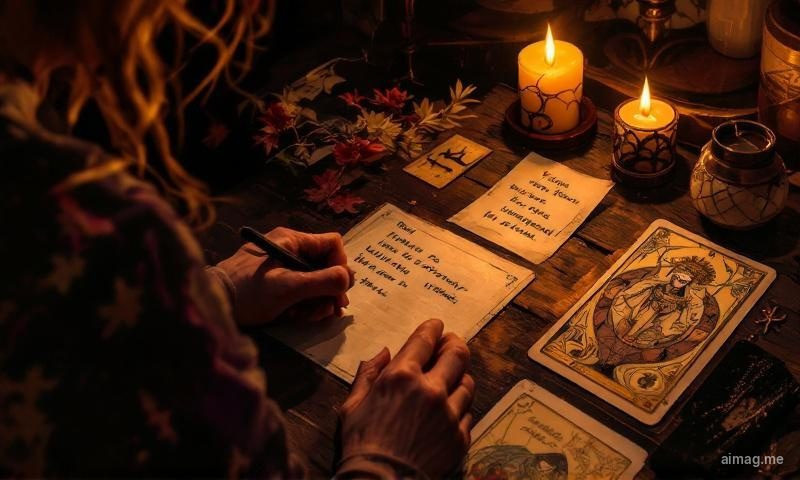
Tarot-Journaling kombiniert Pennebakers Ansatz mit der oben beschriebenen Externalisierung. Man zieht eine Karte zu seiner Angst. Dann schreibt man darüber — nicht direkt über die Angst, sondern über die Karte und was sie zeigt. Die Karte bietet einen Rahmen, einen Ausgangspunkt, einen visuellen Impuls, der das Schreiben erleichtert. Man starrt nicht auf eine leere Seite und denkt „Schreib über deine Gefühle". Man schaut ein Bild an und schreibt, was man sieht, was einem auffällt, woran es einen erinnert.
Diese Indirektheit ist wichtig. Für viele ängstliche Menschen ist die direkte Konfrontation mit der Sorge zu bedrohlich — sie riskiert, genau die Schleife erneut auszulösen, aus der man entkommen möchte. Die Karte bietet eine sichere Vermittlung. Man kann sich der Sorge indirekt nähern, durch Symbol und Bild, in dem Tempo und der Tiefe, die sich handhabbar anfühlen. Das Schreiben leistet die integrative Arbeit, die Pennebaker beschrieben hat, und die Karte macht das Schreiben möglich.
Wenn man noch kein Tarot-Journal führt, sollte man erwägen, speziell mit den ängstlichen Lektüren zu beginnen. Frage notieren, Karte notieren, erste Reaktion, auftauchende Assoziationen. Drei Sätze reichen. Es geht nicht um schöne Prosa. Es geht darum, Material vom grübelnden Geist auf die statische Seite zu bringen, wo es betrachtet statt endlos recycelt werden kann. Mehr zu dieser Praxis in unserem Leitfaden zum Tarot-Journaling.
Erdungstechniken mit Karten
Erdung ist eine klinische Technik, die dazu dient, Dissoziation, Panik und ängstliches Spiralen zu unterbrechen, indem die Aufmerksamkeit auf unmittelbare Sinneserfahrungen gelenkt wird. Die verbreitetste Erdungsübung — die 5-4-3-2-1-Technik — bittet darum, fünf Dinge zu benennen, die man sehen kann, vier, die man berühren kann, drei, die man hören kann, zwei, die man riechen kann, und eines, das man schmecken kann. Der Zweck ist, die Aufmerksamkeit aus der abstrakten Sorgenschleife herauszuziehen und im physischen Jetzt zu verankern.
Tarot-Karten sind als physische Objekte von Natur aus erdend. Sie haben Gewicht. Sie haben Textur. Sie machen beim Mischen ein bestimmtes Geräusch. Sie nehmen Raum ein. Und wenn man sich bewusst mit ihnen beschäftigt, sprechen sie die Sinne auf eine Weise an, die abstraktes Denken nicht kann.
Hier ist eine Erdungsübung mit dem Tarot-Deck:
Schritt 1. Das Deck mit beiden Händen halten. Das Gewicht spüren. Die Temperatur der Karten auf der Haut wahrnehmen — sind sie kühl oder warm? Die Kanten bemerken. Die Aufmerksamkeit für dreißig Sekunden vollständig auf das physische Gefühl richten, das Deck in den Händen zu halten.
Schritt 2. Langsam mischen. Dem Geräusch lauschen, das die Karten machen. Die Reibung zwischen den Karten spüren, wie sie aneinander vorbeischlüpfen. Die Aufmerksamkeit auf der physischen Empfindung des Mischens lassen, nicht auf einer Frage oder Absicht. Einfach mischen und fühlen.
Schritt 3. Eine Karte ziehen und offen hinlegen. Bevor eine Bedeutung gelesen wird, sechzig Sekunden reine visuelle Beobachtung. Welche Farben dominieren? Wohin geht der Blick zuerst? Was ist der hellste Teil des Bildes? Der dunkelste? Die Umrisse der Figuren mit den Augen nachfahren. Das Bild so beschreiben, als würde man es für jemanden schildern, der es nicht sehen kann.
Schritt 4. Die Hand flach auf die Karte legen. Die Oberfläche spüren — glatt, leicht texturiert, kühl. Drei langsame Atemzüge nehmen, während die Hand auf der Karte ruht.
Diese Übung dauert etwa drei Minuten. Sie interpretiert die Karte nicht. Sie nutzt die Karte als sensorischen Anker — ein physisches Objekt, das Aufmerksamkeit im gegenwärtigen Moment verlangt und dadurch den abstrakten Sorgenzyklus unterbricht. Wenn man mitten in einer Angstspirale ist, kann diese Übung die Schleife lang genug unterbrechen, damit der präfrontale Kortex wieder online gehen und die Amygdala sich beruhigen kann.
Karten, die in Angstphasen häufig auftauchen
Wer Tarot regelmäßig in Angstphasen legt, wird bemerken, dass bestimmte Karten öfter erscheinen als andere. Das liegt nicht daran, dass die Karten wissen, dass man ängstlich ist. Es liegt daran, dass man aus einem Deck von achtundsiebzig Bildern schöpft, von denen einige emotionale Zustände darstellen, die den eigenen spiegeln — und die Kombination aus Mischmuster und interpretativer Linse macht diese Karten beim Erscheinen auffälliger.
Das sind die Karten, die Leser am häufigsten mit Angstphasen in Verbindung bringen, und was sie über den eigenen Geisteszustand widerspiegeln können:
Neun der Schwerter. Die buchstäblichste Angstkarte im Deck. Die Figur sitzt aufrecht im Bett, die Hände vor dem Gesicht, neun Schwerter an der Wand dahinter. Diese Karte taucht oft auf, wenn die Angst einen nachts wachhält — wenn die Sorgen in der Dunkelheit stärker werden und man die mentale Wiederholung nicht stoppen kann. Die Botschaft der Karte ist nicht „Fürchte dich". Sie lautet: „Du fürchtest dich, und die Angst ist schlimmer als das, wovor du dich fürchtest." Die Schwerter hängen an der Wand, stecken nicht in der Figur. Die Gefahr ist im Geist, nicht im Zimmer.
Der Mond. Verwirrung, Täuschung, halb Gesehenes. Der Mond erscheint, wenn die Angst in Unsicherheit wurzelt — wenn man nicht genug Informationen hat, um zu beurteilen, ob die Angst berechtigt ist, und der Geist die Lücken mit Worst-Case-Projektionen füllt. Der Mond löst die Zweideutigkeit nicht auf. Er benennt sie. Manchmal ist es hilfreicher zu wissen, dass man Angst hat, weil man es nicht weiß, als so zu tun, als würde man es wissen.
Zehn der Stäbe. Überforderung. Die Figur trägt zehn schwere Stäbe, nach vorne gebeugt, kaum in der Lage, über die Last hinwegzusehen. Diese Karte taucht auf, wenn die Angst nicht von einer einzelnen Bedrohung herrührt, sondern vom kumulativen Gewicht zu vieler Verantwortlichkeiten, zu vieler Verpflichtungen, zu vieler Dinge, die die Aufmerksamkeit fordern. Die Karte sagt nicht, die Stäbe fallen zu lassen. Sie sagt, dass man sie trägt — was man vielleicht noch nicht vollständig anerkannt hat.
Acht der Schwerter. Das Gefühl, gefangen zu sein. Eine Figur steht mit verbundenen Augen, von Schwertern umgeben, scheinbar unfähig sich zu bewegen. Aber bei genauerem Hinsehen versperren die Schwerter in den meisten Darstellungen den Weg gar nicht. Die Figur könnte weggehen. Der Acht der Schwerter benennt die Erfahrung, sich festzufühlen, wenn man es eigentlich nicht ist — wenn die Einschränkungen real sind, aber die Lähmung selbst auferlegt wurde.
Der Turm. Die Angst vor der Katastrophe. Der Turm erscheint, wenn die Angst auf die Möglichkeit ausgerichtet ist, dass alles auseinanderfällt. Aber man beachte, was nach dem Blitzeinschlag in der Bildsprache der Karte passiert: Die alte Struktur wird zerstört, und etwas anderes wird möglich. Das Erscheinen des Turms in einer Angstphase bestätigt nicht, dass eine Katastrophe kommt. Es kann bedeuten, dass man so viel Angst vor Veränderung hat, dass man etwas zusammenhält, das auseinanderfallen müsste.
Ein Angst-Legemuster
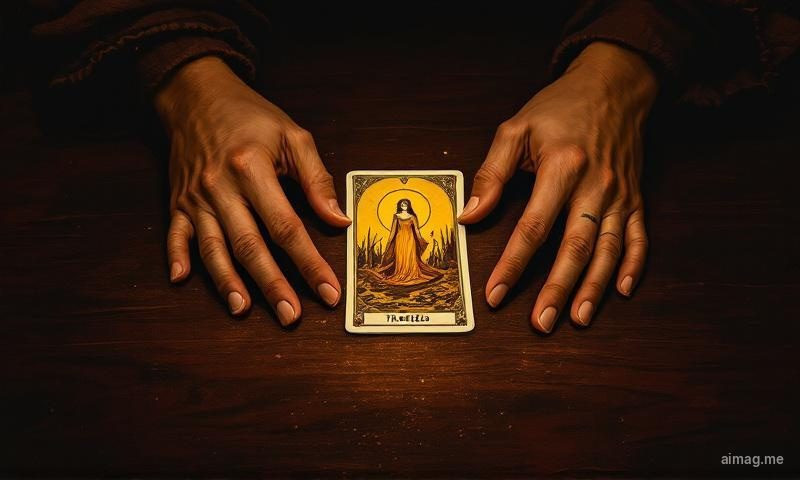
Dieses Drei-Karten-Legemuster ist speziell für Momente ängstlichen Grübelns konzipiert. Es sagt keine Ergebnisse vorher und löst keine Probleme. Es externalisiert die Angst und schafft Raum für eine andere Perspektive.
Karte 1: Was ist die Sorge? Diese Karte repräsentiert die Angst selbst — nicht die Situation, die sie auslöst, sondern die Form, die die Sorge im eigenen Geist angenommen hat. Wie sieht die Angst aus, wenn man ihr ein Bild gibt?
Karte 2: Wovor schützt mich die Sorge? Angst hat meistens eine Schutzfunktion. Sie versucht, einen sicher zu halten, indem sie Bedrohungen antizipiert. Diese Karte untersucht, was die Angst zu verhindern sucht — was oft ein Gefühl ist (Ablehnung, Versagen, Verlust) statt ein Ereignis.
Karte 3: Wie würde Ruhe gerade aussehen? Diese Karte verspricht keine Ruhe. Sie zeigt, wie Ruhe in dieser konkreten Situation aussehen könnte. Nicht das Fehlen des Problems, sondern das Vorhandensein einer anderen Beziehung dazu.
Jede Karte mindestens zwei Minuten betrachten, bevor man zur nächsten übergeht. Darüber schreiben, was man sieht. Keine voreiligen Schlüsse ziehen. Das Legemuster ist darauf ausgelegt, einen zu verlangsamen — und das Verlangsamen selbst ist Teil der Erleichterung.
Weitere Legmuster, darunter das Drei-Karten-Legemuster für fokussierte Fragen oder das Keltische Kreuz für einen umfassenderen Überblick, sind in unseren Legmuster-Leitfäden zu finden.
Was Tarot nicht kann (und was schon)
Dieser Abschnitt ist wichtiger als alles, was davor kam.
Tarot ist keine Therapie. Kein Treatment. Kein Ersatz für professionelle psychische Unterstützung. Wenn die Angst anhaltend, schwer oder beeinträchtigend ist — wenn man nicht schlafen, nicht arbeiten oder keine Beziehungen aufrechterhalten kann wegen ständiger Sorgen — dann bitte mit einem Psychologen oder Therapeuten sprechen. Ein in evidenzbasierten Ansätzen wie KVT oder ACT ausgebildeter Therapeut kann die strukturierte Unterstützung bieten, die kein Kartenspiel, wie schön es auch sein mag, leisten kann.
Was Tarot kann, ist diese Unterstützung zu ergänzen. Es kann eine tägliche Praxis des Verlangsamens bieten, des Externalisierens von Sorgen und des strukturierten Selbstreflektierens, die therapeutische Arbeit bereichert. Viele Therapeuten begrüßen Werkzeuge wie Tarot-Journale, weil sie Klienten einen Rahmen für Selbstbeobachtung zwischen den Sitzungen bieten.
Tarot kann auch als Frühwarnsystem dienen. Wenn man ein Journal führt und bemerkt, dass man zwei Wochen lang täglich angstbezogene Karten zieht, sagt dieses Muster etwas Wichtiges — nicht über die Karten, sondern über den eigenen Geisteszustand. Es könnte das Signal sein, das dazu bewegt, professionelle Unterstützung zu suchen oder Bewältigungsstrategien zu überdenken, die man schleifen gelassen hat.
Und Tarot kann normalisieren. Wenn man den Neun der Schwerter zieht und eine Figur sieht, die genau das tut, was man um 3 Uhr nachts tut — im Dunkeln sitzen, von Gedanken überwältigt — liegt in dieser Wiedererkennung Trost. Irgendjemand hat das vor Jahrhunderten auch gefühlt. Und es auf eine Karte gemalt. Die Erfahrung von Angst ist menschlich, uralt und geteilt. Man ist nicht kaputt. Man macht gerade eine sehr verbreitete und sehr schwierige menschliche Erfahrung, und es gibt Werkzeuge — darunter, aber nicht ausschließlich, Tarot — die helfen können.
Häufig gestellte Fragen
Kann Tarot Angst verschlimmern?
Ja, wenn es zwanghaft eingesetzt wird. Wenn man mehrfach hintereinander Karten zieht, Bestätigung sucht, dieselbe Frage zwanzigmal stellt in der Hoffnung auf eine „bessere" Karte — das ist keine Tarot-Praxis. Das ist Angst im Kostüm einer Tarot-Praxis. Das zwanghafte Bedürfnis nach Gewissheit ist ein Symptom, keine Strategie. Wer dieses Muster bei sich erkennt, sollte die Karten beiseitelegen und überlegen, ob die Angst selbst professionelle Aufmerksamkeit braucht. Tarot sollte die Häufigkeit ängstlicher Gedanken verringern, nicht erhöhen.
Soll ich während einer Panikattacke Tarot legen?
Nein. Während einer Panikattacke befindet sich das Nervensystem im akuten Kampf-oder-Flucht-Modus, und die kognitiven Prozesse, die für eine sinnvolle Karteninterpretation notwendig sind, sind offline. Eine Erdungsübung — wie die oben beschriebene physische Übung, bei der nur das Deck als Tastobjekt dient, ohne Interpretation — kann bei akuter Not helfen. Vollständige Lektüren sind besser für die Phasen zwischen den Krisen geeignet, wenn der Geist ängstlich, aber nicht in akuter Panik ist.
Gibt es wissenschaftliche Belege dafür, dass Tarot bei Angst hilft?
Es gibt keine Peer-reviewed-Forschung speziell zu Tarot im Angstmanagement. Jedoch sind die Mechanismen, durch die Tarot offenbar hilft — Externalisierung, kognitive Defusion, expressives Schreiben, sensorische Erdung und achtsamkeitsbasierte Aufmerksamkeit — alle gut erforschte psychologische Techniken mit starken Evidenzgrundlagen. Tarot ist ein Vehikel für diese Techniken, und die Techniken selbst werden durch jahrzehntelange Forschung von Hayes, Pennebaker und anderen in diesem Artikel zitierten Autoren gestützt.
Welches Tarot-Legemuster ist am besten bei Angst?
Das oben beschriebene Drei-Karten-Angst-Legemuster ist speziell für ängstliche Momente konzipiert. Für das tägliche Angstmanagement bietet das tägliche Einzel-Karten-Ziehen mit kurzem Journaling eine konsistente, druckfreie Praxis. Komplexe Legemuster (zehn Karten oder mehr) sollten in Hochangst-Phasen vermieden werden — die zusätzlichen Karten können mehr Material erzeugen, über das der ängstliche Geist spiralisieren kann, was den Zweck verfehlt.
Angst sagt einem, dass alles dringend ist, alles gefährlich, alles jetzt sofort herausgefunden werden muss. Eine Tarot-Karte sagt: Hier ist ein Bild. Schau dir das einfach an. Nur dieses eine Ding, hier, jetzt. Diese Einladung, die Aufmerksamkeit zu verengen — von den unendlichen Katastrophen, die der Geist erzeugt, auf das einzelne Bild davor — ist keine Heilung. Aber es ist ein Ausweg aus der Schleife, und manchmal ist ein Ausweg alles, was man braucht. Die Sorge wird noch da sein, wenn man zurückkommt. Aber man kommt ein bisschen ruhiger zurück, ein bisschen geerdet, und mit ein bisschen mehr Abstand zwischen sich und der Stimme im Kopf, die darauf besteht, dass gleich alles zusammenbricht.
Tarot repariert den Geist nicht. Es gibt dem Geist etwas, worauf er sich konzentrieren kann, außer sich selbst. Und für einen grübelnden Geist ist das kein kleines Geschenk.
Probiere eine kostenlose KI-gestützte Lektüre auf aimag.me/reading