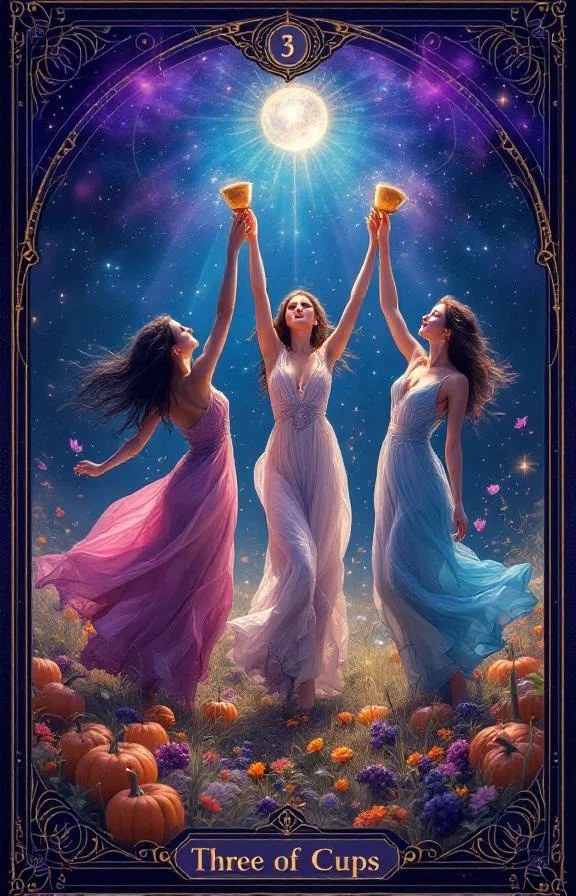
Kurz zusammengefasst: Für deine erste Tarot-Lektüre brauchst du keinen Glauben an Übernatürliches — nur eine gut formulierte Frage, ein einfaches Legemuster wie drei Karten und die Bereitschaft, ehrlich darüber nachzudenken, was die Bilder in dir auslösen. Die Karten funktionieren als strukturierte psychologische Impulse, ähnlich den projektiven Techniken der klinischen Psychologie: Sie bringen Gedanken und Muster an die Oberfläche, die dein bewusstes Denken noch nicht in Worte gefasst hat.
Vergiss alles, was du in Filmen gesehen hast
Lass uns das von Anfang an klarstellen: Tarot-Lektüren brauchen keine dunklen Räume, keine Kristallkugeln und keine geheimnisvollen Frauen in wallenden Gewändern (es sei denn, das ist deine Ästhetik — kein Urteil).
 Eine Tarot-Lektüre ist schlicht eine strukturierte Methode, über eine Frage nachzudenken, mithilfe von 78 symbolischen Karten. Das war's. Keine übernatürlichen Kräfte nötig. Kein Glaubenssystem erforderlich.
Skeptisch? Neugierig? Irgendwo dazwischen? Dieser Leitfaden deckt alles ab, was du wissen musst.
Warum Anfänger oft nervös sind — und warum das normal ist
Bevor wir zur Technik kommen, ein Aspekt, der selten angesprochen wird: Der Einstieg ins Tarot fühlt sich für viele Menschen merkwürdig verletzlich an. Nicht weil sie wirklich Angst vor dem Übernatürlichen haben, sondern aus nachvollziehbareren Gründen.
 Eine bedeutsame Frage zu stellen — über deine Beziehung, deine Karriere, deinen Lebenssinn — bedeutet zuzugeben, dass du nicht alles im Griff hast. Diese Verletzlichkeit ist normal. Mit Symbolen zu sitzen, die etwas widerspiegeln könnten, dem du ausgewichen bist, ist vom Prinzip her ein bisschen unbequem.
Forschungen zur Growth Mindset-Theorie sind hier relevant. Menschen mit einem Fixed Mindset meiden reflektive Praktiken oft, weil mehrdeutiges Feedback bedrohlich wirkt — es könnte eine Befürchtung bestätigen, die sie über sich selbst hegen. Menschen mit einem Growth Mindset können dasselbe mehrdeutige Feedback als Information statt als Urteil aufnehmen.
Der richtige Ansatz für deine erste Tarot-Lektüre ist ein explizites Growth-Mindset-Framing: Das ist kein Test. Die Karten können keine unveränderliche Wahrheit darüber enthüllen, wer ich bin. Sie sind ein strukturierter Impuls, über etwas nachzudenken, das mir wichtig ist.
Dieser Perspektivwechsel macht die anfängliche Nervosität deutlich handhabbarer. Du empfängst kein Urteil. Du führst ein Gespräch mit deiner eigenen Reflexionsfähigkeit, strukturiert durch Symbole, die über Jahrhunderte Bedeutung angesammelt haben.
Das Deck: 78 Karten, zwei Gruppen
Ein standardmäßiges Tarot-Deck hat 78 Karten, aufgeteilt in zwei Gruppen:

Große Arkana (22 Karten)
Das sind die „großen Themen" — lebensverändernde Kräfte, tiefe psychologische Muster und bedeutende Übergänge. Einige davon hast du wahrscheinlich schon gehört:
- Der Narr — Neue Anfänge, Spontaneität, ein Sprung ins Ungewisse
- Der Turm — Plötzliche Veränderung, Erschütterung, Enthüllung
- Der Tod — Transformation (fast nie im wörtlichen Sinn)
- Der Stern — Hoffnung, Inspiration, erneuerte Zuversicht
Die Große Arkana wird oft als Heldenreise in Kartenform beschrieben — ein Konzept aus Joseph Campbells Monomythos-Rahmen, der selbst auf Jungs archetypischer Psychologie aufbaut. Wenn Karten der Großen Arkana in einer Lektüre prominent erscheinen, deuten sie oft darauf hin, dass die Frage bedeutende Lebensübergänge oder tiefes psychologisches Material berührt — keine alltägliche Logistik.
Kleine Arkana (56 Karten)
Diese decken Alltagssituationen ab, gegliedert in vier Farben:
- Kelche — Emotionen, Beziehungen, Intuition
- Stäbe — Kreativität, Ehrgeiz, Energie
- Schwerter — Gedanken, Kommunikation, Konflikt
- Münzen — Geld, Gesundheit, materielle Welt
Jede Farbe reicht von Ass bis 10, plus vier Hofkarten (Bube, Ritter, Königin, König). Die Hofkarten verdienen für Anfänger besondere Aufmerksamkeit: Sie können tatsächliche Personen in deinem Leben repräsentieren — oder Aspekte deiner eigenen Persönlichkeit oder Energie, die in der Situation aktiv sind, nach der du fragst.
Warum die Farben so funktionieren, wie sie es tun — und wie sie sich auf Dimensionen menschlicher Erfahrung abbilden lassen — wird ausführlich in dem Artikel über die vier Farben und Jungianische Psychologie in diesem Blog behandelt.
Wie man eine gute Frage formuliert
Hier machen die meisten Anfänger Fehler. Die Qualität deiner Lektüre hängt stark von der Qualität deiner Frage ab — nicht weil die Karten dich beurteilen, sondern weil eine gut formulierte Frage eine bessere Reflexion strukturiert.
Was eine Frage gut macht
Eine gute Tarot-Frage hat drei Eigenschaften:
1. Sie ist offen. Eine Ja/Nein-Frage schließt die Reflexion ab; eine offene Frage öffnet sie. „Bekomme ich den Job?" lädt dich ein, auf ein Urteil zu warten. „Was würde mir helfen, mich in diesem Bewerbungsprozess am wirkungsvollsten zu zeigen?" lädt dich ein, über etwas Handlungsorientiertes nachzudenken.
2. Sie ist auf dich fokussiert. Tarot ist ein Reflexionswerkzeug für die Person, die die Lektüre durchführt. Fragen darüber, was jemand anderes tun, denken oder wählen wird, sind nicht nützlich — nicht weil die Karten sie nicht beantworten können, sondern weil du mit diesen Informationen nicht direkt handeln kannst. Die nützlichsten Fragen lassen die Handlungsfähigkeit bei dir.
3. Sie ist ehrlich. Die besten Fragen spiegeln wider, was du wirklich wissen möchtest, nicht eine bereinigte Version davon. Wenn du dir Sorgen machst, dass dein Partner das Interesse verliert, wird eine Frage wie „Was ist die aktuelle Energie meiner Beziehung?" nützlicher sein als „Was ist gut an meiner Beziehung?"
Vermeide:
- „Bekomme ich den Job?" (Ja/Nein-Fragen geben dir wenig zum Nachdenken)
- „Wann treffe ich meine Seelenverwandte?" (Tarot sagt keine Zeitrahmen voraus)
- „Betrügt mein Partner mich?" (Suche nach Beweisen, nicht nach Karten)
Probiere stattdessen:
- „Worauf sollte ich mich bei meinem Berufswechsel konzentrieren?"
- „Was sehe ich an meiner aktuellen Beziehung nicht?"
- „Was blockiert gerade meine kreative Energie?"
- „Wie kann ich diese Entscheidung mit mehr Klarheit angehen?"
Die besten Tarot-Fragen sind offen, reflektiv und auf dich fokussiert — nicht darauf, das Verhalten anderer vorherzusagen.
Übung zur Frageformulierung:
Schreibe vor deiner ersten Lektüre auf, was du wirklich wissen möchtest. Filtere noch nicht — schreib einfach die rohe Version. Dann schau sie dir an und frage:
- Kann ich das mit Ja oder Nein beantworten? Falls ja, formuliere es als offene Frage um.
- Erfordert das, das Verhalten einer anderen Person vorherzusagen? Falls ja, richte den Fokus wieder auf deine eigene Handlungsfähigkeit.
- Ist das, was ich wirklich wissen möchte, oder eine „sicherere" Version von etwas Schwererem?
Die Version, bei der du nach diesem Prozess ankommst, wird eine bessere Lektüre erzeugen als die erste Version.
Das Legemuster wählen
Ein „Legemuster" (engl. Spread) ist das Muster, in dem die Karten ausgelegt werden. Jede Position im Muster hat eine bestimmte Bedeutung. Hier sind die gebräuchlichsten:
Einzelkarte (1 Karte)
Geeignet für: Tagesreflexion, einfache Fragen, Anfänger.
Einfach eine Karte. Welche Energie oder welches Thema verdient heute deine Aufmerksamkeit?
Unterschätze die Einzelkarte nicht. Weil sie maximale Aufmerksamkeit auf ein einziges Symbol zwingt, erzeugt sie oft schärfere Erkenntnisse als Mehrkartenlegungen, bei denen die Aufmerksamkeit sich zerstreut. Viele erfahrene Praktizierende kehren regelmäßig zur Einzelkarte zurück — genau wegen dieses Fokus.
Drei-Karten-Legemuster (3 Karten)
Geeignet für: Die meisten Fragen, Erzählstruktur, klare Gliederung.
Das klassische Layout mit unzähligen Variationen:
- Vergangenheit → Gegenwart → Zukunft
- Situation → Handlung → Ergebnis
- Geist → Körper → Seele
Die Drei-Karten-Struktur funktioniert, weil drei Positionen eine Beziehung zwischen Ideen herstellen — und Bedeutung lebt in Beziehungen, nicht in isolierten Symbolen.
Keltisches Kreuz (10 Karten)
Geeignet für: Tiefe Erkundung, komplexe Situationen.
Das bekannteste Tarot-Legemuster. Zehn Karten beleuchten deine Situation von allen Seiten — Gegenwart, Herausforderungen, vergangene Einflüsse, zukünftige Möglichkeiten, Hoffnungen und Ängste.
Hebe dir dieses auf, bis du ein paar Drei-Karten-Lektüren durchgeführt hast und dich mit dem grundlegenden Interpretationsprozess wohlfühlst. Das Keltische Kreuz ist mächtig, aber interpretativ anspruchsvoll für Anfänger.
Und viele mehr
Es gibt Dutzende von Legemustern, die für spezifische Fragen entwickelt wurden — Karrierewegkreuzungen, Beziehungsdynamiken, kreative Blockaden und mehr.
Schritt für Schritt: Deine erste Lektüre
Hier ist ein praktischer, bodenständiger Durchgang deiner ersten Lektürsitzung.
Schritt 1: Wähle deine Frage und schreibe sie auf
Behalte die Frage nicht nur im Kopf — schreib sie irgendwo auf. Dieser einfache Akt schafft Klarheit und Verbindlichkeit. Er gibt dir auch etwas, auf das du bei der Interpretation der Karten zurückgreifen kannst.
Schritt 2: Wähle ein Legemuster
Für deine allererste Lektüre beginne mit einer Einzelkarte oder einem Drei-Karten-Vergangenheit/Gegenwart/Zukunft-Muster. Beide sind für Anfänger vergebend und beide erzeugen genug Material für echte Reflexion.
Schritt 3: Schaffe einen kleinen Moment der Stille
Dieser Schritt ist optional, aber wirklich nützlich. Atme zwei- oder dreimal tief und langsam, bevor du deine Karte(n) ziehst. Das ist kein Ritual um seiner selbst willen — es ist eine grundlegende Achtsamkeits-Technik, die deinen Geisteszustand von aufgabenorientierter Hektik zur empfangenden Reflexion verschiebt. Forschungen zur interozeptiven Wahrnehmung legen nahe, dass kurze Perioden fokussierten Atmens unsere Empfindlichkeit für innere Signale erhöhen — genau das, was gute Reflexion erfordert.
Schritt 4: Ziehe deine Karte(n)
Wenn du ein physisches Deck verwendest, mische es auf eine Weise, die sich natürlich anfühlt, und ziehe von der Stelle, die sich richtig anfühlt. Wenn du einen KI-Tarot-Leser verwendest, wird der Prozess für dich übernommen — die Karten werden gezogen und die Positionen automatisch zugewiesen.
Schritt 5: Zuerst schauen, dann lesen
Bevor du eine Interpretation oder Bedeutung nachschlägst, schau die Karte einfach einen Moment lang an. Beachte:
- Was ist dargestellt? Was ist die Stimmung oder Energie des Bildes?
- Was ist deine erste, instinktive Reaktion — Wohlbehagen, Unbehagen, Wiedererkennung, Verwirrung?
- Erinnert dich etwas im Bild an etwas in deiner aktuellen Situation?
Dein erster Eindruck trägt echte Information. Überspringe ihn nicht, um zur „echten" Bedeutung zu gelangen.
Schritt 6: Beachte die Position
Jede Position in einem Legemuster fügt eine Perspektive hinzu. Dieselbe Karte bedeutet als „vergangener Einfluss" etwas anderes als als „zukünftige Möglichkeit". Die Acht der Schwerter (Einschränkung, selbst auferlegte Begrenzung) in der Position „Was blockiert dich" liest sich anders als in der Position „Was hilft dir". Ignoriere nicht die Bedeutung der Position.
Schritt 7: Muster über Karten hinweg bemerken
Wenn du mehrere Karten gezogen hast:
- Teilen mehrere Karten eine Farbe? Eine Lektüre mit vielen Kelchen sagt etwas anderes als eine mit vielen Schwertern.
- Gibt es mehrere Große Arkana? Große Themen sind im Spiel.
- Bildet sich eine Erzählung — entsteht eine Geschichte aus den Positionen in der Reihenfolge?
Schritt 8: Beziehe es auf deine Frage
Kehre zu dem zurück, was du aufgeschrieben hast. Was auch immer die Karten zeigen — wie spricht es zu deiner tatsächlichen Frage? Die Zwei der Kelche als Antwort auf eine Karrierefrage könnte auf Zusammenarbeit, Partnerschaft oder die Bedeutung einer bestimmten Beziehung in deinem beruflichen Kontext hinweisen. Die Verbindung liegt bei dir.
Schritt 9: Lass es sacken
Hetze nicht zum nächsten Ding weiter. Gib dir eine Minute, um das zu verarbeiten, was resoniert hat. Die besten Erkenntnisse kommen oft im stillen Moment nach der Lektüre.
Was KI auf den Tisch bringt
Traditionelles Tarot erforderte entweder tiefes persönliches Studium oder eine Sitzung mit einem menschlichen Leser. KI verändert diese Gleichung.
Ein KI-Tarot-Interpret kann:
- Aus Jahrhunderten der Tarot-Tradition und symbolischer Bedeutung schöpfen
- Personalisierte Interpretationen basierend auf deiner spezifischen Frage liefern
- Gleichbleibende Qualität ohne die Variabilität menschlicher Leser bieten
- Jederzeit verfügbar sein, für jene Reflexionsmomente um 2 Uhr morgens
Er ersetzt nicht die Wärme eines menschlichen Lesers, bietet aber etwas anderes: einen stets verfügbaren, tiefgründig sachkundigen Reflexionspartner.
Wie Tarot mit etablierten psychologischen Rahmenwerken verbunden ist
Tarot ist keine Psychologie — aber es schöpft aus demselben grundlegenden Verständnis des menschlichen Geistes, das psychologische Rahmenwerke formalisiert haben. Diese Verbindungen zu verstehen entmystifiziert die Praxis und macht sie nützlicher.
Tarot und projektive Techniken
In der klinischen Psychologie sind projektive Techniken Bewertungsmethoden, die mehrdeutige Reize präsentieren — Bilder, Tintenkleckse, Satzfragmente — und die Probanden bitten, sie zu interpretieren oder zu vervollständigen. Die klassischen Beispiele sind der Rorschach-Tintenkleckstest und der Thematische Apperzeptionstest (TAT). Die zugrunde liegende Theorie lautet: Wenn du etwas Mehrdeutiges interpretierst, projizierst du unweigerlich dein eigenes psychologisches Material darauf — deine Sorgen, Ängste, Wünsche und Konflikte tauchen in deiner Interpretation auf.
Tarot funktioniert nach demselben Prinzip. Die reiche, symbolisch komplexe Bildsprache einer Tarot-Karte ist genuinely mehrdeutig — es gibt keine einzig richtige Interpretation. Wenn du das Bild anschaust und sagst „Das erinnert mich an..." oder „Ich glaube, diese Figur ist...", betreibst du eine Form strukturierter Projektion. Deine Antwort sagt dir etwas Echtes über deinen aktuellen psychologischen Zustand, unabhängig von jedem mystischen Mechanismus.
Das ist keine Kritik an Tarot — es ist eine Erklärung, wie es funktioniert. Die Karten fungieren als eine Reihe standardisierter mehrdeutiger Impulse, und deine Interpretation davon ist die eigentliche Datenquelle.
Tarot und Narrativtherapie
Die Narrativtherapie, die in den 1980er Jahren entwickelt wurde, ist ein psychologischer Ansatz, der Menschen als Autoren ihrer eigenen Lebensgeschichten betrachtet. Sie geht davon aus, dass die Geschichten, die wir über unsere Erfahrungen erzählen, unsere Identität und unsere Beziehung zu unseren Umständen prägen — und dass verschiedene Geschichten über dieselben Ereignisse möglich sind.
Tarot-Lektüren sind eine Form der Narrativkonstruktion. Du beginnst mit einer Situation (der Frage), fügst symbolische Elemente hinzu (die Karten) und konstruierst eine Geschichte, die sie mit deinem Leben verbindet. Der Akt, diese Geschichte zu konstruieren, ist an sich therapeutisch: Er schafft Distanz zur Situation (du erzählst sie, statt darin zu ertrinken), lädt zu alternativen Interpretationen ein und unterstützt das, was Narrativtherapeuten Re-Authoring nennen — den Prozess, sich zu entscheiden, die eigene Geschichte anders zu erzählen.
Wenn du die Acht der Münzen als Antwort auf eine Frage über kreative Stagnation ziehst und denkst: „Diese Karte zeigt mir, dass das, was ich als stupide Routine abgetan habe, in Wirklichkeit verkleideter Kompetenzaufbau ist", schreibst du deine Geschichte über deine kreative Arbeit neu. Dieser Perspektivwechsel kann verändern, wie du die nächste Woche angehst.
Tarot und Achtsamkeit
Zeitgenössische Achtsamkeitsforschung hat durchgängig gezeigt, dass achtsame Aufmerksamkeit — nicht wertendes Gewahrsein gegenwärtiger Erfahrung — messbare Vorteile für Emotionsregulation, Stressreaktion und kognitive Flexibilität hat. Eine Tarot-Lektüre, richtig angegangen, ist eine Achtsamkeitspraxis.
Du musst verlangsamen, einem Bild sorgfältig Aufmerksamkeit schenken, deine eigenen Reaktionen bemerken, ohne sofort danach zu handeln, und eine Frage mit Neugier statt Angst halten. Das sind Kernkompetenzen der Achtsamkeit. Das strukturierte Format einer Lektüre gibt dieser Achtsamkeitspraxis einen Rahmen — ein bestimmtes Aufmerksamkeitsobjekt (die Karte), eine bestimmte Frage (deine Lektürefrage) und ein bestimmtes Ergebnis (deine Reflexion).
Für Menschen, die unstrukturierte Meditation schwierig finden, kann Tarot ein zugänglicherer Einstiegspunkt in regelmäßige reflektive Praxis sein. Die Karten geben dem Geist etwas Konkretes zum Arbeiten, was die Neigung zum Abdriften in Ablenkung verringert.
Häufige Anfängerfehler
1. Zu wörtlich nehmen
Die Todeskarte bedeutet nicht den Tod. Der Turm bedeutet nicht, dass dein Haus einstürzen wird. Tarot spricht in Metaphern. Die Symbolsprache des Tarot funktioniert nach denselben Prinzipien wie Traumbilder, Mythos und Poesie — sie adressiert das zugrunde liegende Muster einer Situation, nicht ihre oberflächliche Logistik.
2. Dieselbe Frage wiederholt stellen
Wenn dir deine erste Lektüre nicht gefallen hat, hilft es nicht, sie zu wiederholen. Dieses Muster — von erfahrenen Lesern Fragen-Shopping genannt — ist meist ein Zeichen dafür, dass die erste Lektüre etwas Unbequemes aufgedeckt hat, das Beachtung verdient, nicht Vermeidung. Sitz mit dem Unbehagen — dort lebt die Erkenntnis.
3. „Negative" Karten ignorieren
Es gibt keine wirklich negativen Karten. Die Fünf der Kelche (Verlust, Trauer) könnte genau die Anerkennung sein, die du brauchst. Die Zehn der Schwerter (Niederlage, Abschlüsse) kann notwendige Schließung darstellen. Die Neun der Schwerter (Angst, Grübeln) ist kein schlechtes Omen — sie ist eine genaue Beschreibung eines Geisteszustands, der Mitgefühl und Aufmerksamkeit verdient. Jede Karte bietet eine Perspektive, die es wert ist, berücksichtigt zu werden.
4. Die Reflexion überspringen
Eine Lektüre ohne Reflexion ist Unterhaltung, kein Wachstum. Der symbolische Inhalt einer Tarot-Karte erzeugt keine Veränderung von sich aus — deine Auseinandersetzung damit tut es. Nimm dir einen Moment, um aufzuschreiben oder darüber nachzudenken, was aufgetaucht ist. Dort lebt der eigentliche Wert der Praxis.
5. Gewissheit erwarten
Tarot ist kein Orakel, das endgültige Antworten liefert. Es ist ein strukturierter Impuls für deine eigene reflektive Intelligenz. Die Erkenntnis kommt von dir — die Karten liefern die Struktur, die diese Erkenntnis zugänglich macht. Geh mit der Erwartung heran, interessantes Material zum Nachdenken zu erhalten, nicht mit einem Urteil, das du annehmen oder ablehnen musst.
Deine erste 7-Tage-Tarot-Challenge
Wenn du eine echte Beziehung zur Praxis aufbauen möchtest statt einer einmaligen Lektüre, probiere diese strukturierte Woche täglicher Einzelkarten-Züge.
Die 7-Tage-Tarot-Challenge:
Ziehe jeden Morgen, bevor du dein Handy checkst, eine einzelne Karte und schreibe einen Satz als Antwort auf jeden Impuls:
Tag 1: „Welche Energie möchte heute meine Aufmerksamkeit?" Tag 2: „Was vermeide ich gerade?" Tag 3: „Welche Stärke habe ich, die ich zu wenig nutze?" Tag 4: „Was wäre gut, diese Woche loszulassen?" Tag 5: „Welche Beziehung in meinem Leben verdient mehr Aufmerksamkeit?" Tag 6: „Welcher Teil meiner Arbeit oder meines kreativen Lebens bittet um Energie?" Tag 7: „Was möchte mich diese Woche lehren?"
Schau am Ende der sieben Tage alle sieben Karten gemeinsam an. Welche Farbe erschien am häufigsten? Gab es eine Karte, die sich besonders bedeutsam anfühlte? Hat dich eine Karte unwohl gemacht — und wenn ja, warum?
Diese sieben-tägige Praxis baut die assoziative, reflektive Fähigkeit auf, die längere Lektüren nützlicher macht. Sie zeigt dir deine eigenen Muster auch viel klarer als jede einzelne Lektüre es kann.
Dein Einstieg
Du musst kein Deck kaufen. Du musst nicht 78 Kartenbedeutungen auswendig lernen. Du musst an nichts „glauben".
Alles was du brauchst, ist eine Frage und die Bereitschaft, über die Antwort nachzudenken.
Der Einstiegspunkt ist viel niedriger, als das Mysterium rund um Tarot vermuten lässt. Eine einzelne Karte, eine konkrete Frage, fünf Minuten echte Aufmerksamkeit — das reicht zum Anfangen. Die Tiefe der Praxis offenbart sich schrittweise, wenn du die Fähigkeit zu engagierter, ehrlicher Reflexion entwickelst.
Bereit zum Ausprobieren? Starte deine erste kostenlose Lektüre — wähle ein einfaches Drei-Karten-Muster und schau, was die Karten widerspiegeln.
Weiterführende Lektüre
- How to read tarot cards: a complete beginner's guide — die vollständige Mechanik der Karteninterpretation, Positionen und Kombinationen
- The three-card tarot spread: the most versatile layout in tarot — alles was du über das vielseitigste Legemuster für jede Frage wissen musst
- Best questions to ask tarot cards: 50 prompts that actually work — eine praktische Bibliothek gut formulierter Fragen, die echte Reflexion erzeugen
- Reversed tarot cards: what they really mean — wie man mit der umgekehrten Position umgeht, sobald man mit den Grundlagen vertraut ist
- Common tarot reading mistakes (and how to avoid them) — was Anfänger am häufigsten falsch machen und wie man diese Fallstricke umgeht