Nadie te habla de la crisis de identidad. Te hablan del diagnóstico, del plan de tratamiento, del pronóstico. Te dicen que pienses en positivo, que luches con fuerza, que confíes en el proceso. Te dan folletos, recetas y teléfonos a los que llamar si las cosas empeoran. Lo que nadie te dice es que la enfermedad hace algo con la historia que has estado contándote sobre ti mismo — esa en la que eres capaz, independiente, avanzas, tienes el control — y que ese derrumbe narrativo suele ser más difícil de manejar que los síntomas físicos.
Tu cuerpo, resulta, tiene opiniones que tu mente no pidió. Y cuando esas opiniones se vuelven tan ruidosas que anulan todo lo demás — cuando la rodilla falla, cuando el resultado llega mal, cuando el agotamiento no desaparece — de repente estás viviendo una versión de tu vida sin guión. La historia antigua ya no existe. La nueva todavía no ha llegado. Estás parado en la grieta, y ninguna cantidad de pensamiento positivo va a ponerte una trama en las manos.
Aquí es donde el tarot resulta útil. No como herramienta médica — que quede claro desde el primer párrafo. El tarot no puede diagnosticar enfermedades. No puede sustituir a tu médico. No puede curar nada. Pero sí puede hacer algo que tus proveedores de salud, con toda su formación y buenas intenciones, raramente están equipados para hacer: ayudarte a procesar la realidad emocional de lo que está ocurriendo dentro de tu cuerpo. El miedo. El duelo. La rabia. La extraña culpa que acompaña a estar enfermo, como si tu cuerpo hubiera traicionado un contrato que nunca recuerdas haber firmado.
Este artículo ofrece dos tiradas específicas diseñadas para desafíos de salud, fundamentadas en la psicología de la conexión mente-cuerpo. No son intervenciones médicas. Son emocionales. Y si ahora mismo estás pasando por algo con tu cuerpo, esa distinción importa menos de lo que crees.
En resumen: El tarot apoya el lado emocional de los desafíos de salud al externalizar lo que la enfermedad despierta — miedo, duelo, pérdida de identidad, rabia — en imágenes que puedes examinar en lugar de simplemente soportar. Cartas como La Fuerza, La Templanza, La Estrella y el Cuatro de Espadas hablan del terreno de la recuperación. La Tirada de Escucha Corporal y la Brújula de Recuperación te ayudan a escuchar lo que tu cuerpo sostiene, sin reemplazar la atención médica ni la terapia profesional.
Tu cuerpo no está separado de tu historia
La medicina occidental opera bajo una suposición productiva pero incompleta: que el cuerpo es una máquina y la enfermedad es un fallo que hay que reparar. Este modelo nos ha dado antibióticos, cirugía y vacunas. También ha creado un punto ciego del tamaño de un continente cuando se trata de entender cómo la experiencia emocional y la enfermedad física interactúan.
Gabor Maté, médico que pasó dos décadas trabajando con pacientes crónicamente enfermos y con adicciones en Vancouver, documentó ampliamente este punto ciego en su obra Cuando el cuerpo dice no (2003). El argumento central de Maté no es que el estrés cause enfermedad en una cadena simple de causa y efecto. Es más sutil y más importante: que la supresión crónica de las necesidades emocionales — el hábito de anteponer a los demás, de tragarse la rabia, de ignorar los propios límites — crea un entorno fisiológico en el que la enfermedad tiene más probabilidades de desarrollarse. Sus observaciones clínicas mostraron que los pacientes con trastornos autoinmunes, cáncer y fatiga crónica compartían una llamativa característica: casi universalmente, eran personas que habían aprendido a desconectarse de sus propias señales emocionales.
Esto no es culpabilizar a la víctima. Maté es explícito al respecto. Decir que los patrones emocionales contribuyen a la enfermedad no es lo mismo que decir que la enfermedad es culpa tuya. Es decir que no eres un cerebro descorporizado que circula en un vehículo de carne. Tu cuerpo y tu vida emocional son el mismo sistema, y ese sistema se comunica en ambas direcciones.
Bessel van der Kolk, psiquiatra que lleva más de treinta años investigando el trauma, fue más lejos en El cuerpo lleva la cuenta (2014). Su investigación demostró que la experiencia traumática se almacena no solo como memoria, sino como sensación física: tensión muscular crónica, función inmune alterada, arquitectura del sueño perturbada y activación persistente del sistema de respuesta al estrés. El cuerpo, en su marco teórico, no solo se ve afectado por la experiencia emocional. Es un repositorio de experiencia emocional. Lo que no has procesado psicológicamente, tu cuerpo lo sostiene fisiológicamente.
La implicación para cualquiera que esté atravesando un desafío de salud es significativa: tu respuesta emocional a la enfermedad no es un efecto secundario. Es parte de la enfermedad. No en el sentido de que tus sentimientos causaron tu dolencia, sino en el sentido de que cómo procesas la experiencia de estar enfermo afecta tu recuperación, tus niveles de dolor, tu función inmune y tu calidad de vida. Ignorar la dimensión emocional de una crisis de salud no es fortaleza. Es un tratamiento incompleto.
Y aquí es donde una práctica aparentemente simple — sentarse con cartas ilustradas y hacerse preguntas — se vuelve más poderosa de lo que tiene derecho a ser.
Por qué funciona el tarot cuando tu cuerpo habla
Una serie de experimentos realizados en los años ochenta y noventa produjo un hallazgo tan sólido que ha sido replicado en decenas de estudios y culturas: escribir sobre la experiencia emocional mejora la salud física. En un estudio fundamental, los participantes que pasaban solo quince minutos al día escribiendo sobre experiencias traumáticas o estresantes mostraron una función inmune measurablemente mejorada, menos visitas al médico y mayor bienestar emocional en comparación con los grupos de control. La variable clave no era sobre qué escribían, sino si se comprometían con el trabajo de hacer externa la experiencia interna — de traducir el sentimiento en lenguaje.
Esta línea de investigación sugiere que la experiencia emocional no expresada crea una carga fisiológica. El esfuerzo de suprimir o ignorar las emociones requiere recursos biológicos measurables: cortisol elevado, marcadores inmunes suprimidos, excitación autónoma crónica. Cuando le das a esas emociones una forma — palabras en papel, imágenes en cartas, cualquier estructura externalizada — reduces el coste fisiológico de cargarlas en silencio.
El tarot, en su nivel más fundamental, es un método estructurado para hacer exactamente esto. Te sientas. Haces una pregunta — no "¿me voy a curar?" sino "¿qué siento sobre lo que está ocurriendo en mi cuerpo?" Sacas cartas. Las imágenes te dan un vocabulario simbólico para experiencias que quizás aún no tienen palabras. El acto de interpretar esas imágenes te obliga a traducir estados físico-emocionales vagos y abrumadores en temas específicos y nombrables. Y esa traducción — como demostró Pennebaker — es terapéutica en sí misma.
No hay nada místico en esto. Es estructural. El tarot funciona para los desafíos de salud por la misma razón que funciona llevar un diario, por la misma razón que funciona la terapia conversacional, por la misma razón que sentarse con un amigo y decir "tengo miedo" funciona. Hace visible lo invisible. Toma lo que está ocurriendo dentro de tu cuerpo y lo pone delante de ti donde puedes mirarlo.
Las cartas que aparecen cuando la salud es la pregunta
Cuando lees el tarot en el contexto de un desafío de salud, ciertas cartas aparecerán con más frecuencia — no porque la baraja sea psíquica, sino porque tu estado interno moldea tu interacción con las cartas. Estas son las que más probablemente encontrarás, y lo que realmente están diciendo.
La Fuerza
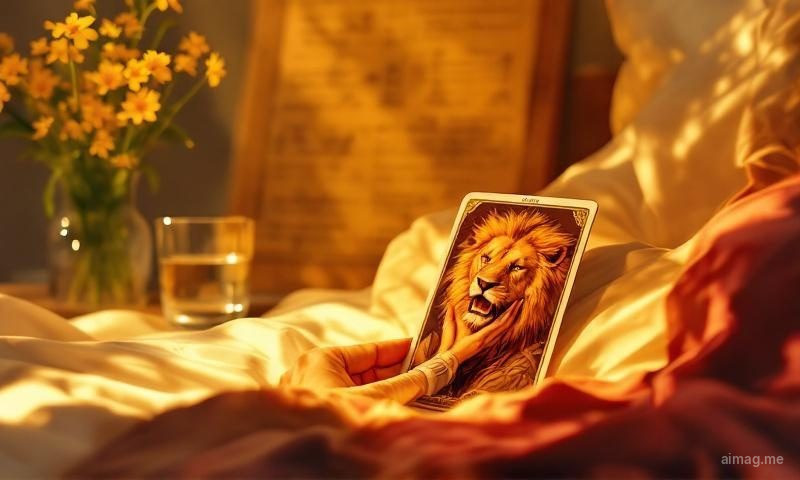
La Fuerza muestra a una figura abriendo suavemente la boca de un león. No luchando con él. No dominándolo. Abriéndola con manos tranquilas y pacientes. Esta es la carta de las reservas internas — la resistencia callada que no se anuncia. En un contexto de salud, La Fuerza no te dice que luches más. Te dice que la capacidad de soportar lo que estás atravesando ya existe dentro de ti, y no tiene el aspecto que esperabas. Se parece a la paciencia. A la amabilidad contigo mismo. A la disposición a seguir adelante sin necesitar representar la resiliencia para los demás.
La Templanza
La Templanza muestra una figura vertiendo líquido entre dos copas — un acto constante y cuidadoso de equilibrio. En una lectura de salud, esta carta casi siempre habla de moderación e integración. El cuerpo sana mediante el equilibrio, no mediante la fuerza. Si te has estado presionando para recuperarte más rápido de lo que tu cuerpo está preparado, o si oscilás entre la actividad desesperada y el colapso total, La Templanza te pide que encuentres el camino del medio. No el dramático. El sostenible.
La Estrella
La Estrella sigue a La Torre en los Arcanos Mayores — es lo que viene después de la destrucción. Una figura arrodillada junto al agua, reponiendo lo que fue vaciado. En un contexto de salud, esta carta representa una esperanza que no es ingenua. No el optimismo frágil del "todo saldrá bien", sino la esperanza más profunda y silenciosa que surge de haber sobrevivido lo peor y descubrir que todavía eres capaz de renovarte. Si La Estrella aparece en una lectura de salud, no está prometiendo recuperación. Te muestra que tu capacidad de sanar — emocional, aunque no siempre físicamente — no ha sido destruida.
Cuatro de Espadas
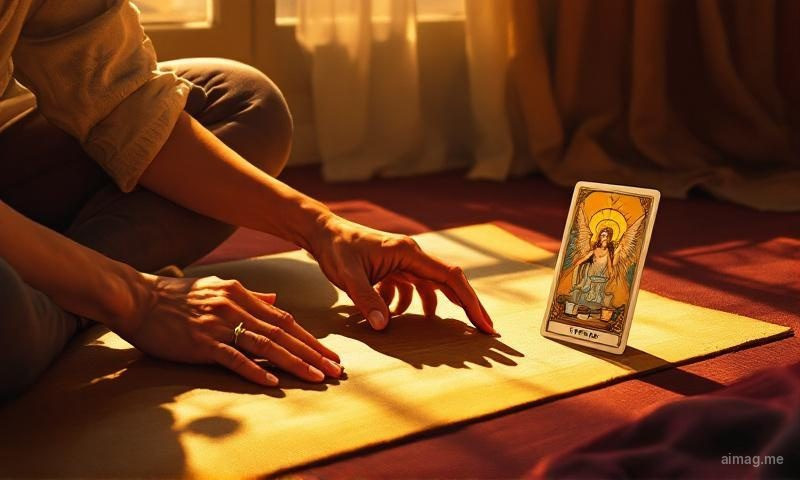
El Cuatro de Espadas muestra a una figura en reposo, con espadas colgando sobre ella — una retirada deliberada. Esta es la carta del descanso, y en un contexto de salud lleva un mensaje que mucha gente rechaza: necesitas parar. No empujar más allá. No sobreponerte a la fatiga. Parar. El Cuatro de Espadas no habla de debilidad. Habla de la inteligencia de permitir que ocurra la recuperación, en lugar de exigir que tu cuerpo funcione según tu calendario preferido.
Nueve de Bastos
El Nueve de Bastos muestra a una figura golpeada apoyada en un bastón, con otros bastos alineados detrás como registro de todo lo que ya ha sobrevivido. Esta es la carta de la resiliencia ganada a través de la experiencia. En una lectura de salud, reconoce algo importante: estás cansado. Has pasado por mucho. Sigues en pie. El Nueve de Bastos no te pide que finjas que el agotamiento no es real. Dice: mira lo que ya has soportado. Tienes más dentro de ti de lo que crees. No porque seas sobrehumano, sino porque tienes evidencia.
Dos tiradas para la conciencia corporal
Estas tiradas no son herramientas de diagnóstico. Son marcos para la autorreflexión estructurada durante los desafíos de salud. Úsalas para procesar lo que sientes, no para tomar decisiones médicas. Para enfoques más amplios del trabajo de salud y recuperación con tarot, la tirada de sanación tarot ofrece un marco complementario.
La Tirada de Escucha Corporal (4 cartas)
Esta tirada está diseñada para la pregunta que la mayoría de las personas con problemas de salud temen hacer: ¿qué intenta decirme mi cuerpo? No en un sentido místico. En el sentido práctico, informado por Maté, de que tu cuerpo lleva información emocional de la que quizás no eres consciente.
| Posición | Significado |
|---|---|
| 1 | Lo que mi cuerpo sostiene — la emoción o experiencia almacenada en los síntomas físicos |
| 2 | Lo que he estado ignorando — la señal que no he querido escuchar |
| 3 | Lo que mi cuerpo necesita — no médicamente, sino emocionalmente. ¿Descanso? ¿Permiso? ¿Duelo? |
| 4 | Cómo escuchar — la práctica, el hábito o el cambio que abre la comunicación entre mente y cuerpo |
Cómo leerla: La posición 1 suele ser la más reveladora. Si sacas una carta asociada al duelo — el Cinco de Copas, el Tres de Espadas — considera si hay una pérdida no procesada que tu cuerpo está cargando en nombre de tu mente consciente. Si sacas algo relacionado con la rabia — el Cinco de Bastos, el Siete de Bastos — pregúntate dónde estás tragándote la frustración en lugar de reconocerla.
La posición 2 es la carta ante la que querrás encogerte. Siéntate con ella. Cualquier cosa que te muestre, ya la sabes en algún nivel — algo que tu cuerpo ha estado diciendo y que tu mente ha estado descartando.
La posición 3 no es una prescripción médica. Es emocional. Tu cuerpo puede necesitar descanso que tu agenda no ha permitido. Puede necesitar permiso para estar enfermo sin culpa. Puede necesitar el duelo que has ido postergando. Escucha lo que la carta sugiere sin intentar resolverlo de inmediato.
La posición 4 es la carta práctica. Puede sugerir meditación, escritura en diario, movimiento físico, o simplemente la práctica de consultarte con tu cuerpo regularmente en lugar de tratarlo como un equipo que debería funcionar sin mantenimiento. Si prácticas como mindfulness y tarot son nuevas para ti, empieza poco a poco — cinco minutos de atención tranquila a las sensaciones físicas antes de sacar una sola carta.
La Brújula de Recuperación (3 cartas)
Esta tirada es para quienes están en tratamiento, manejando una condición crónica, o recuperándose de una enfermedad o lesión. Aborda el terreno emocional de la recuperación — que raramente es la trayectoria lineal ascendente que implican los planes de tratamiento.
| Posición | Significado |
|---|---|
| 1 | Dónde estoy — mi estado emocional honesto ahora mismo, no donde creo que debería estar |
| 2 | Lo que me apoya — el recurso, la relación o la cualidad interior que estoy subutilizando |
| 3 | El siguiente paso — una acción emocional que sirve a mi sanación |
Cómo leerla: La posición 1 requiere honestidad. Puedes estar más avanzado de lo que crees, o menos avanzado de lo que has estado aparentando. La carta muestra tu posición real, no la que has estado representando para tus médicos, tu familia o tú mismo.
La posición 2 suele ser sorprendente. El apoyo que más necesitas raramente es el apoyo que has estado buscando. Puede ser soledad cuando has estado rodeado de gente. Puede ser risa cuando lo has estado tomando todo en serio. Puede ser rabia cuando has estado siendo implacablemente positivo.
La posición 3 no habla de recuperación física. Habla de movimiento emocional. Quizás el siguiente paso sea llorar por algo que has estado soportando con estoicismo. Quizás sea pedir ayuda que has estado demasiado orgulloso para solicitar. Quizás sea reconocer que tienes miedo. Un paso. No todo el camino.
Si experimentas ansiedad junto a desafíos de salud, estas tiradas pueden combinarse con enfoques específicos para la ansiedad — las dimensiones emocionales de la salud y la ansiedad se superponen con frecuencia.
Una advertencia importante sobre el tarot y la salud
Esto merece su propia sección, no una nota a pie de página.
El tarot no es medicina. El tarot no es terapia. El tarot no diagnostica, trata ni cura ninguna condición de salud física o mental.
Si estás atravesando una crisis de salud, ve al médico. Si tienes dolor que no está siendo manejado, exige una atención mejor. Si estás luchando con el peso emocional de la enfermedad y esto afecta tu capacidad de funcionar, consulta a un terapeuta. Estos no son pasos opcionales que el tarot puede reemplazar. Son la base. El tarot es algo que podrías añadir a esa base — una práctica personal para procesar las dimensiones emocionales de una experiencia de salud que la medicina aborda físicamente.
Ninguna carta de la baraja te dice que dejes de tomar tu medicación. Ninguna tirada sustituye a una segunda opinión. Ninguna lectura debe retrasar o reemplazar la atención médica profesional.
Las tiradas de este artículo son herramientas de autorreflexión emocional. Te ayudan a entender lo que sientes sobre tu salud, no qué está mal en tu salud. Esa distinción no es pedante. Es esencial.
El verdadero valor de sentarse con las cartas cuando tu cuerpo duele
Hay una soledad particular que acompaña a la enfermedad. Incluso cuando estás rodeado de personas que se preocupan, la experiencia de estar en un cuerpo que no funciona como debería es fundamentalmente privada. Nadie más puede sentir lo que tú sientes. Nadie más se queda despierto a las 3 de la mañana con tu combinación específica de dolor, miedo y agotamiento. Las personas que te quieren pueden sentarse a tu lado, pero no pueden sentarse dentro de ti.
El tarot no arregla esta soledad. Nada lo hace. Pero te da una manera estructurada de estar contigo mismo dentro de ella. El acto de extender las cartas y hacerse preguntas honestas — qué siento, qué estoy evitando, qué necesito — es un acto de autocompañía. Te estás sentando contigo mismo de la manera que más importa: sin pestañear, sin actuar, sin fingir que estás más avanzado de lo que realmente estás.
La investigación sobre la escritura expresiva sugiere que este tipo de autoengagement honesto no es solo emocionalmente reconfortante — es fisiológicamente beneficioso. El sistema inmune responde a la honestidad emocional. La respuesta al estrés se calma cuando se da forma a los sentimientos suprimidos. El cuerpo, que ha estado exigiendo tu atención, se asienta levemente cuando siente que finalmente estás escuchando.
No vas a curar nada con una baraja de cartas. Pero puede que aprendas a escuchar lo que tu cuerpo ha estado diciendo. Puede que dejes de luchar contra la experiencia de estar enfermo el tiempo suficiente para estar realmente presente en ella. Puede que descubras que la grieta entre la historia antigua y la nueva no está vacía — está llena de información que has tenido demasiado miedo o has estado demasiado ocupado para recibir.
Las cartas no te sanarán. Pero pueden ayudarte a dejar de huir de la experiencia de necesitar ser sanado. Y eso — como estarían de acuerdo tanto Maté como van der Kolk — es donde comienza el trabajo real.
Preguntas frecuentes
¿Pueden las cartas de tarot decirme qué está mal en mi salud?
No. Las cartas de tarot no son instrumentos de diagnóstico. No pueden identificar enfermedades, predecir resultados médicos ni reemplazar los análisis de laboratorio y la evaluación profesional. Lo que sí pueden hacer es ayudarte a reflexionar sobre los patrones emocionales que rodean tu salud — el estrés que has estado ignorando, el duelo que no has procesado, los límites que no has establecido. Esa reflexión emocional puede llevarte a buscar atención médica que has ido postergando, pero las cartas en sí mismas no están proporcionando información médica.
¿Es seguro leer el tarot mientras estoy en tratamiento?
Sí, con una salvedad importante: el tarot debe complementar tu atención médica, nunca competir con ella. Si una carta parece sugerir algo que contradice el consejo de tu médico, sigue el consejo de tu médico. Usa las tiradas de este artículo para procesar cómo te sientes respecto a tu tratamiento, no para evaluar si tu tratamiento es correcto. Si descubres que las lecturas aumentan tu ansiedad en lugar de ayudarte a procesarla, guarda las cartas y habla con un profesional de salud mental.
¿Qué carta de tarot representa la sanación?
Varias cartas tienen asociaciones con la sanación, pero La Estrella es la más directamente vinculada a la recuperación y la renovación. La Templanza representa el equilibrio necesario para sanar, y La Fuerza refleja las reservas internas silenciosas que te sostienen durante los desafíos de salud. Sin embargo, la sanación en el tarot raramente está representada por una sola carta — es un proceso que aparece a través de múltiples cartas y lecturas a lo largo del tiempo.
¿Con qué frecuencia debo hacer una lectura de tarot relacionada con la salud?
Una vez a la semana es un buen ritmo para la Tirada de Escucha Corporal. Da suficiente tiempo entre lecturas para sentarse con lo que las cartas te mostraron y observar si algo cambia en tu conciencia corporal. La Brújula de Recuperación puede usarse cuando te sientes emocionalmente estancado en tu proceso de recuperación — pero resiste el impulso de leer a diario, ya que las lecturas repetidas sobre la misma pregunta tienden a generar ruido en lugar de claridad. Si quieres una práctica diaria, una tirada sencilla de una carta con la pregunta "¿qué necesita mi cuerpo de mí hoy?" es más sostenible.
La enfermedad reorganiza tu relación con tu cuerpo. La historia que estabas contando — aquella en la que tu cuerpo era el fondo, confiable, algo que podías ignorar mientras te concentrabas en todo lo demás — ya no está disponible. Una nueva historia está tomando forma, pero lo hace despacio, y nadie puede decirte cómo será. Las cartas tampoco pueden decírtelo. Pero pueden acompañarte en la incertidumbre. Pueden dar forma al miedo, al duelo, a la esperanza y a la rabia sin forma que despierta la enfermedad. Pueden ayudarte a escuchar a un cuerpo que ha estado intentando llamar tu atención, posiblemente durante más tiempo del que te das cuenta.
Eso no es medicina. Tampoco es magia. Algo más simple y, a su manera, igual de necesario: la práctica de prestarte atención cuando todo en ti quiere mirar hacia otro lado.