Somos un sitio de tarot. Construimos una plataforma de lecturas. Queremos que la uses. Y estamos a punto de escribir dos mil palabras explicándote cuándo no deberías hacerlo.
Esto no es un truco de marketing. Es lo más honesto que podemos decir sobre el tarot: el momento importa. Una lectura hecha en el momento adecuado — cuando estás tranquilo, curioso, genuinamente abierto a lo que las cartas muestren — puede producir una visión real. La misma lectura hecha en el momento equivocado puede reforzar la ansiedad, profundizar la confusión y convertir una práctica reflexiva en una compulsiva. Las cartas no cambian. Tú sí. Y la versión de ti que se sienta con una tirada determina si la experiencia es esclarecedora o corrosiva.
Lo que sigue son siete situaciones en las que deberías dejar la baraja, cerrar la aplicación y hacer otra cosa. No porque el tarot sea peligroso. Porque mereces algo mejor de lo que puede ofrecerte ahora mismo.
En resumen: Deja las cartas de tarot cuando estés desbordado emocionalmente, cuando hagas la misma pregunta por tercera vez, cuando leas para alguien que no te lo pidió, cuando necesites un profesional en lugar de una carta, cuando busques permiso para una decisión que ya tomaste, cuando estés bajo el efecto del alcohol o la falta de sueño, o cuando estés leyendo de forma compulsiva en lugar de reflexiva. En cada caso, las cartas amplificarán el problema en lugar de aclararlo.
1. Cuando estás desbordado emocionalmente
Daniel Siegel, catedrático clínico de psiquiatría en UCLA, introdujo un concepto que llama la "ventana de tolerancia" — la zona de activación emocional dentro de la cual una persona puede funcionar, pensar con claridad y procesar información nueva. Dentro de la ventana, puedes sentir emociones difíciles sin ser abrumado por ellas. Puedes sostener el dolor y aun así razonar. Puedes estar triste y aun así tomar decisiones.
Fuera de la ventana, no puedes. Cuando la activación sube demasiado — rabia, pánico, duelo agudo, ese llanto donde no puedes recuperar el aliento — entras en lo que Siegel llama hiperactivación. La corteza prefrontal, responsable del razonamiento y la interpretación, se desconecta parcialmente. La amígdala toma el control. Estás en modo supervivencia, no en modo reflexión.
Este es el peor estado posible para leer el tarot.
Una lectura requiere que te sientes con imágenes ambiguas y les des significado. Es un acto cognitivo sofisticado — exige exactamente el tipo de función cerebral reflexiva, interpretativa y reconocedora de patrones que el desbordamiento emocional apaga. Cuando estás desbordado y sacas La Torre, no verás transformación ni agitación necesaria. Verás la confirmación de que todo se derrumba. Cuando sacas La Luna, no verás una invitación a sentarte con la incertidumbre. Verás la prueba de que estás perdido y nadie vendrá a ayudarte.
Las cartas son espejos. Cuando estás desbordado, el espejo refleja el desbordamiento — y el desbordamiento es todo lo que puedes ver.
Qué hacer en su lugar: Cualquier cosa que te devuelva dentro de la ventana de tolerancia. Respiración lenta (exhala más tiempo que la inhalación). Agua fría en las muñecas. Caminar. Llamar a alguien cuya voz regula tu sistema nervioso. La lectura seguirá ahí en una hora, o mañana. Será una mejor lectura cuando puedas pensar con claridad. Si estás pasando por una ruptura, la fase aguda es precisamente cuando esta regla más importa — y cuando es más difícil seguirla.
2. Cuando haces la misma pregunta por tercera vez
Sacaste una carta. No te gustó la respuesta. Así que barajaste y sacaste de nuevo. La segunda respuesta tampoco era del todo correcta — quizás una tirada más aclarará las cosas. No lo hizo. Una más.
Esto no es leer el tarot. Es búsqueda de reassurance, uno de los patrones más documentados en la investigación sobre ansiedad. La búsqueda de reassurance es la necesidad compulsiva de escuchar que todo saldrá bien, combinada con la incapacidad de internalizar esa seguridad una vez que la recibes. Le preguntas a tu pareja si te quiere. Dice que sí. Treinta minutos después, necesitas escucharlo de nuevo. La reassurance no se fija porque el problema no es informativo — ya tienes la respuesta. El problema es emocional. Ninguna cantidad de datos nuevos resolverá un déficit emocional.
El tarot es particularmente vulnerable a este patrón porque ofrece lo que los psicólogos llaman un programa de refuerzo variable — el mismo mecanismo que hace adictivas las máquinas tragaperras. Cada tirada produce un resultado diferente, y la imprevisibilidad te mantiene sacando cartas. Quizás la próxima carta sea la que finalmente diga lo que necesitas escuchar. Quizás esta tirada te dé la respuesta definitiva que las últimas tres no te dieron.
No lo hará. Si tres lecturas sobre la misma pregunta no produjeron claridad, una cuarta tampoco lo hará. El problema no es que las cartas sean poco claras. El problema es que no estás listo para aceptar ninguna respuesta que no sea la que ya has decidido que quieres.
Qué hacer en su lugar: Escribe lo que realmente quieres que digan las cartas. Sé honesto. "Quiero que me digan que él va a volver." "Quiero que digan que el trabajo saldrá bien." Una vez que hayas nombrado la respuesta que buscas, has identificado lo que te importa — lo cual es más útil que cualquier carta. Para más información sobre con qué frecuencia revisar la misma pregunta, hemos escrito una guía aparte.

3. Cuando lees para alguien que no te lo pidió
Estás preocupado por el matrimonio de tu hermana. Quieres saber si tu ex ha seguido adelante. Sientes curiosidad por si tu compañero de trabajo va a ser despedido. Así que te sientas y haces una lectura sobre ellos.
Parece inofensivo. No lo es.
El problema no es místico — no argumentamos que estés violando los límites espirituales de alguien (aunque algunas tradiciones se lo toman en serio). El problema es psicológico: estás proyectando. Una lectura sobre otra persona que no está presente nunca es realmente sobre esa persona. Es sobre tus sentimientos, miedos y fantasías en relación a ella. No estás accediendo a información sobre el matrimonio de tu hermana. Estás accediendo a tu ansiedad sobre el matrimonio de tu hermana. Y las cartas, siendo herramientas proyectivas, reflejarán tus proyecciones con perfecta fidelidad, haciendo que tus suposiciones se sientan validadas aunque estén construidas por completo a partir de tu propio material.
Esto crea un problema secundario: podrías actuar en base a lo que las cartas te "dijeron" sobre alguien más. Podrías confrontar a tu hermana, alejarte de tu ex o tratar a tu compañero de forma diferente — todo basado en una lectura que nunca fue sobre ellos. Has confundido tu proyección con su realidad y te has dado permiso para tratar la confusión como conocimiento.
Qué hacer en su lugar: Reformula la pregunta para que sea sobre ti. No "¿Qué está pasando en el matrimonio de mi hermana?" sino "¿Qué estoy sintiendo sobre la situación de mi hermana, y por qué?" No "¿Ha seguido adelante mi ex?" sino "¿Por qué necesito saberlo?" La pregunta honesta siempre es sobre la persona que está frente a las cartas — que eres tú.
4. Cuando necesitas un profesional, no una carta
Este apartado es breve porque necesita ser inequívoco.
Si estás en una crisis de salud mental — ideación suicida, autolesiones, síntomas psicóticos, ataques de pánico graves — necesitas un profesional de salud mental con licencia. No una carta de tarot. No una aplicación. No un sitio web. Una persona con formación clínica que pueda evaluar tu situación y proporcionar la atención adecuada.
Si te enfrentas a una decisión médica, necesitas un médico. Si te enfrentas a un asunto legal, necesitas un abogado. El tarot es una práctica reflexiva. No sustituye la experiencia profesional en ningún ámbito, y usarlo como tal puede retrasar la ayuda real que necesitas.
Esto no es una advertencia legal ni un descargo de responsabilidad. Es un límite clínico y ético. Hemos escrito ampliamente sobre el tarot como complemento de la terapia, y la palabra clave es "complemento". La carta puede ayudarte a pensar. No puede tratar, diagnosticar, prescribir ni representarte ante un tribunal.
Qué hacer en su lugar: Haz la llamada. Ve al profesional. Obtén el consejo que realmente necesitas de alguien cualificado para darlo. Luego, si quieres, lleva lo que aprendiste a una lectura — cuando estés estable, informado y capaz de reflexionar en lugar de buscar respuestas en el lugar equivocado.
5. Cuando ya has decidido y buscas permiso
Te han ofrecido un nuevo trabajo. Sabes que quieres aceptarlo. Lo vas a aceptar. Pero la decisión da miedo, así que te sientas con tus cartas esperando que confirmen lo que ya elegiste, dándote la cómoda sensación de que el universo respaldó tu decisión.
Esto es sesgo de confirmación vestido con ropa esotérica, y Daniel Kahneman describió su mecánica con precisión en Pensar rápido, pensar despacio: cuando las personas tienen una conclusión preferida, buscan e interpretan la evidencia de manera inconsciente para apoyarla. No estás leyendo las cartas — estás leyendo tu preferencia en las cartas. El Ocho de Bastos se convierte en "progreso rápido, adelante". El Cuatro de Copas — que podría sugerir que deberías reconsiderar lo que estás descartando — se reinterpreta como "la situación anterior está estancada, definitivamente vete".
El problema más profundo es que usar el tarot de esta manera erosiona tu relación con tu propia agencia. Cada vez que delegas una decisión que ya tomaste a una carta, practicas el hábito de no confiar en ti mismo. Te entrenas para necesitar validación externa antes de actuar según tu propio criterio. Con el tiempo, esto genera una dependencia que es lo opuesto a lo que una práctica reflexiva debería producir.
Qué hacer en su lugar: Apropiarte de la decisión. Dilo en voz alta: "He decidido, y soy responsable de esta elección." Esa frase contiene más autoconocimiento que cualquier tirada. Si la decisión todavía da miedo después de haberla asumido, eso es normal. El miedo y las buenas decisiones coexisten con más frecuencia de lo que la mayoría de la gente cree.
6. Cuando estás bajo el efecto del alcohol o con una privación severa de sueño
Esto suena como sentido común, y lo es. Pero necesita decirse explícitamente porque la imagen cultural del tarot — velas, vino, conversaciones de madrugada sobre el significado de todo — hace que leer en ese estado parezca atmosférico en lugar de problemático.
El alcohol deteriora la corteza prefrontal. También lo hace la privación severa de sueño — investigaciones publicadas en Nature han demostrado que veinticuatro horas sin dormir producen un deterioro cognitivo equivalente a una concentración de alcohol en sangre del 0,10%, por encima del límite legal para conducir en la mayoría de los países. Ambos estados comprometen exactamente las funciones cognitivas que requiere una lectura significativa: interpretación matizada, regulación emocional, la capacidad de sostener múltiples significados posibles sin colapsar en el que parece más dramático.
Cuando estás deteriorado, gravitarás hacia interpretaciones extremas. La carta de la Muerte se vuelve literal. El Tres de Espadas se convierte en prueba de traición. El Cinco de Oros en evidencia de ruina. Tu capacidad de matiz — la habilidad de ver la Muerte como transformación, las espadas como verdad necesaria, los oros como un pasaje temporal — está desconectada. Lo que queda es la preferencia de la amígdala por detectar amenazas, y las encontrará en cada carta.
Tampoco recordarás la lectura con precisión a la mañana siguiente. Recordarás la carga emocional — el terror, la excitación, la certeza — sin el contexto interpretativo. El sentimiento persistirá. La comprensión no.
Qué hacer en su lugar: Duerme. Hidratáte. Lee mañana. Una práctica diaria construida sobre mañanas con la mente clara te servirá infinitamente mejor que sesiones de medianoche impulsadas por vino y agotamiento.
7. Cuando se ha convertido en una compulsión y no en una práctica
Hay una línea entre el ritual y la dependencia, y vale la pena saber dónde está.
Un ritual es algo que haces porque añade significado, estructura o reflexión a tu día. Sacas una carta diaria como parte de tu rutina matutina. Haces una tirada antes de una decisión importante para organizar tu pensamiento. Usas las cartas como punto de partida para un diario, un foco de meditación, una forma de hacer un seguimiento de ti mismo. Estas son prácticas — elegidas, delimitadas, integradas en una vida que funciona sin ellas.
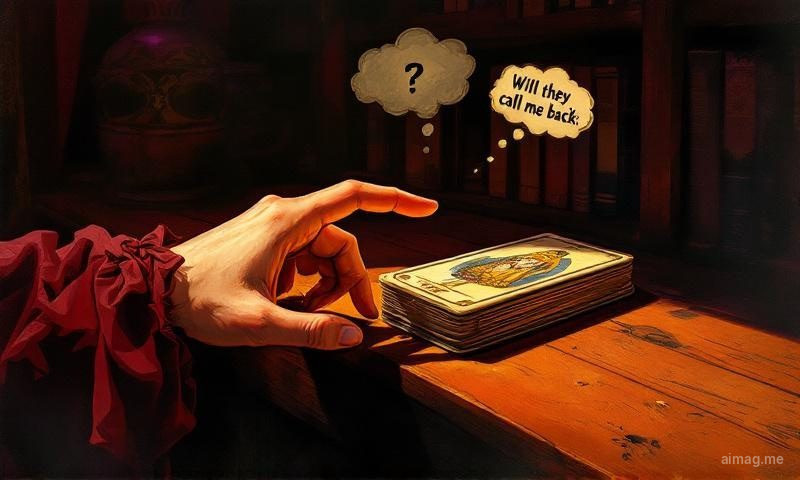
Una compulsión es algo que haces porque no hacerlo genera ansiedad. No puedes salir de casa sin sacar una carta. No puedes tomar una decisión menor — qué ponerte, qué comer, si responder un mensaje — sin consultar la baraja. Te sientes físicamente incómodo cuando llevas un tiempo sin leer. Has empezado a sentir que las cartas te dicen cosas que debes obedecer, que ignorar una lectura sería tentar al destino o invitar al desastre.
La investigación sobre la autocompasión ofrece un marco útil aquí. La distinción entre el autocuidado y el autoconsuelo es fundamental. El autocuidado construye resiliencia a largo plazo. El autoconsuelo proporciona alivio a corto plazo del malestar. Ambos son legítimos, pero cuando el autoconsuelo se convierte en la estrategia principal para gestionar el malestar — cuando necesitas las cartas para sentirte bien — has cruzado de la práctica a la dependencia.
El término clínico es compulsión de búsqueda de reassurance, y es una característica de varios trastornos de ansiedad, incluidos el TOC y el trastorno de ansiedad generalizada. Si el tarot se ha vuelto compulsivo para ti, las cartas en sí no son el problema — pero se han convertido en el vehículo a través del cual se expresa un patrón de ansiedad, y seguir leyendo reforzará ese patrón en lugar de resolverlo.
Qué hacer en su lugar: Tómate un descanso deliberado. Una semana sin leer. Observa lo que surge. Si la semana se siente incómoda pero manejable, probablemente estás bien — el descanso simplemente está restableciendo tu relación con la práctica. Si la semana se siente insoportable, esa es información útil: algo está ocurriendo que el tarot no puede abordar, y hablar con un profesional de salud mental sería un paso genuinamente bueno.
Qué hacer en su lugar: la lista breve
No cada momento requiere cartas. Esto es lo que cada situación pide en su lugar:
| Situación | Haz esto en su lugar |
|---|---|
| Desbordamiento emocional | Respira, camina, llama a alguien, espera |
| Hacer la misma pregunta otra vez | Escribe lo que quieres que digan las cartas |
| Leer para alguien que no lo pidió | Reformula: ¿qué siento yo sobre esta persona? |
| Necesitas un profesional | Pide la cita |
| Ya decidiste | Asúmelo. Dilo en voz alta |
| Bajo el efecto del alcohol o agotado | Duerme. Lee mañana |
| Lectura compulsiva | Tómate una semana libre. Observa qué surge |
El hilo conductor es la agencia. En cada caso, la alternativa a leer es hacer algo que te devuelva al asiento del conductor — tomar una decisión, nombrar un sentimiento, pedir ayuda real, o simplemente esperar hasta estar en un estado para recibir lo que las cartas pueden ofrecerte realmente.
Cómo saber que estás listo para leer de nuevo
La ventana de tolerancia aplica aquí también. Estás listo para leer cuando:
- Puedes formular una pregunta clara y abierta sin saber ya la respuesta que quieres.
- Puedes imaginar sacar una carta que no te gusta y quedarte con ella en lugar de barajar inmediatamente.
- Sientes curiosidad en lugar de desesperación. La curiosidad dice: "Me pregunto qué surgirá." La desesperación dice: "Necesito que esto me diga que todo estará bien."
- Tienes suficiente amplitud emocional para sentarte con la ambigüedad — para sostener múltiples interpretaciones posibles sin necesitar colapsarlas en certeza.
- Estás leyendo para ti mismo, sobre ti mismo, desde un lugar de genuina indagación.
Si se cumplen esas condiciones, las cartas harán lo que mejor saben hacer: mostrarte algo que ya sabes pero que aún no has articulado. Ese es el valor completo de la práctica. No predicción. No permiso. Reconocimiento.
Preguntas frecuentes
¿Es malo leer el tarot todos los días?
No necesariamente. Una tirada diaria de una sola carta como parte de una rutina matutina puede ser una práctica reflexiva y enraizante. El problema surge cuando la lectura diaria se vuelve compulsiva — cuando sientes que no puedes empezar el día sin ella, o cuando haces múltiples lecturas al día sobre la misma pregunta. La frecuencia no es el problema. Tu relación con la frecuencia sí lo es.
¿Qué pasa si sigo sacando La Torre u otras cartas "aterradoras"?
Las cartas recurrentes merecen atención — pero no con alarma. Una carta que sigue apareciendo no es una advertencia del universo. Es una señal de que un tema particular está activo en tu mundo interior en este momento. Si ver la carta repetidamente causa angustia en lugar de curiosidad, eso es una de las situaciones descritas arriba: estás fuera de tu ventana de tolerancia para esta imagen en particular, y tomarte un descanso de las lecturas es razonable.
¿Puede el tarot ser adictivo?
El tarot en sí no es adictivo en el sentido clínico. Pero el comportamiento de búsqueda de reassurance que el tarot puede habilitar — la tirada repetida, la búsqueda de la respuesta "correcta", el refuerzo variable de resultados impredecibles — refleja patrones vistos en las adicciones conductuales. Si reconoces estos patrones en ti mismo, el problema no son las cartas sino la ansiedad o incertidumbre que te impulsa hacia ellas. Abordar la causa subyacente, potencialmente con apoyo profesional, es más productivo que intentar moderar las lecturas.
¿Debería evitar el tarot si tengo ansiedad o depresión?
No necesariamente. Muchas personas con ansiedad o depresión encuentran el tarot genuinamente útil como herramienta reflexiva, y hay buenas razones psicológicas de por qué puede funcionar. La pregunta no es si tienes un diagnóstico, sino si estás actualmente en un estado en que puedes relacionarte con las cartas de forma reflexiva. Si estás en una situación de angustia aguda, estabilízate primero. Si estás gestionando tu condición y buscas una práctica contemplativa, el tarot puede desempeñar ese papel — idealmente junto a, y no en lugar de, atención profesional.
Saber cuándo no leer es en sí mismo una forma de autoconocimiento — y el autoconocimiento es para lo que sirve el tarot. Cuando estés listo — prueba una reflexiva lectura de tarot con IA en aimag.me/reading