Il tuo corpo sa cose che la mente si rifiuta di ammettere. La mascella tesa non è casuale. Quel nodo tra le scapole non è solo una postura sbagliata. La pesantezza al petto che arriva ogni domenica sera e svanisce il martedì — non è niente. È informazione. Il corpo ti parla da anni. Il problema non è che i messaggi siano confusi. Il problema è che quasi nessuno di noi è stato insegnato ad ascoltare.
Bessel van der Kolk, lo psichiatra i cui quarant'anni di ricerca sul trauma sono confluiti in Il corpo accusa il colpo (2014), ha cambiato il modo in cui i clinici comprendono il rapporto tra sensazione fisica ed esperienza psicologica. La sua tesi centrale è diretta: il corpo non è un veicolo per la mente. È un dispositivo di registrazione. Ogni esperienza emotiva lascia una traccia fisica — nella tensione muscolare, nei pattern respiratori, nel modo in cui tieni le spalle o stringi i pugni o senti lo stomaco cadere quando senti una certa voce. Una terapia che si rivolge solo ai pensieri e ai comportamenti ignorando il corpo lavora con metà dei dati.
Il sistema dei chakra, spogliato del suo involucro mistico, è una mappa di questa connessione corpo-mente. Sette centri, dalla base della colonna vertebrale alla sommità del capo, ognuno corrispondente a un diverso ambito dell'esperienza umana: sopravvivenza, creatività, potere, amore, comunicazione, percezione, significato. Non devi credere nell'energia sottile o nelle ruote di luce rotanti. Basta accettare ciò che la psicologia somatica ha confermato: che stati emotivi e psicologici diversi si registrano in regioni specifiche del corpo, e che prestare attenzione a quelle regioni produce intuizioni terapeutiche genuine.
Questo è ciò che fa uno spread tarot dei chakra. Usa sette carte come sette lenti, ciascuna focalizzata su una diversa regione del tuo sistema corpo-mente, e chiede: cosa sta succedendo qui? Cosa è bloccato? Cosa scorre? Cosa ha bisogno di attenzione?
In breve: Uno spread tarot dei chakra usa sette carte mappate sulle regioni del corpo dalla radice alla corona, trasformando la psicologia somatica in un formato di lettura pratico. Ogni carta rivela cosa è bloccato, in flusso o esaurito in una specifica area del tuo sistema corpo-mente, attingendo alle ricerche di Bessel van der Kolk e Peter Levine per collegare sensazione fisica e intuizione psicologica.
Spread 1: Il Check-In dei Sette Chakra (7 carte)
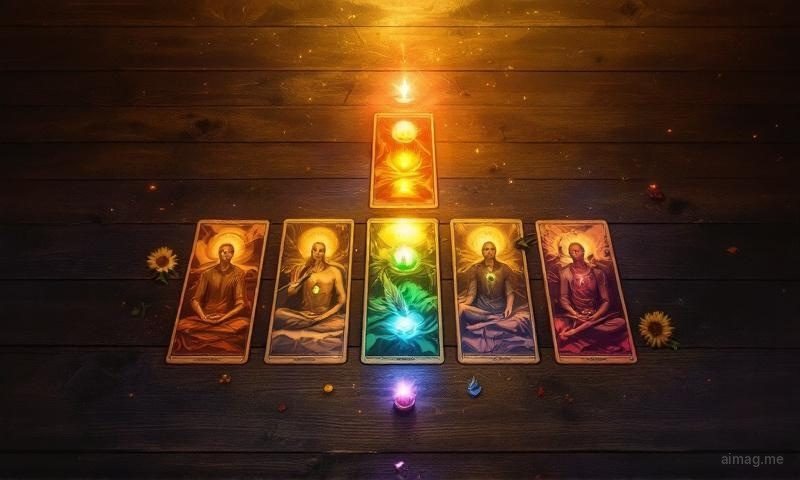
Sette carte disposte verticalmente, dal basso verso l'alto. Una per centro energetico, dalla radice alla corona.
| Posizione | Chakra | Regione del corpo | Dominio |
|---|---|---|---|
| 1 | Radice | Base della colonna, gambe, piedi | Sicurezza, sopravvivenza, sicurezza materiale, radicamento |
| 2 | Sacrale | Addome inferiore, fianchi | Creatività, piacere, flusso emotivo, desiderio |
| 3 | Plesso Solare | Addome superiore, stomaco | Potere personale, fiducia, volontà, identità |
| 4 | Cuore | Petto, braccia, mani | Amore, compassione, connessione, dolore |
| 5 | Gola | Gola, collo, mascella | Comunicazione, verità, espressione di sé, essere ascoltati |
| 6 | Terzo Occhio | Fronte, occhi | Intuizione, percezione, comprensione, visione interiore |
| 7 | Corona | Sommità della testa | Significato, scopo, connessione spirituale, comprensione |
Come leggerlo: Questo spread è una scansione corporea in forma di carte. Inizia dal basso e sali, proprio come in una meditazione guidata o un esercizio di rilassamento muscolare progressivo. Ogni carta ti parla dello stato di quel centro energetico — non in termini mistici, ma pratici e psicologici.
La posizione 1, la radice, riguarda il tuo senso di sicurezza fondamentale. Se L'Imperatrice appare qui, le tue fondamenta sono nutritte — ti senti materialmente sicuro, fisicamente a tuo agio, radicato nel corpo. Il Cinque di Denari racconta una storia diversa: scarsità, insicurezza, la sensazione che il terreno sotto di te sia inaffidabile. Nota dove questo si registra nel tuo corpo mentre lo leggi. Le gambe. La parte bassa della schiena. Le piante dei piedi.
La posizione 3, il plesso solare, è dove la maggior parte delle letture diventa interessante. Questo è il centro del potere personale — il tuo senso di agentività, la tua fiducia, la tua capacità di affermarti nel mondo. L'Imperatore qui significa che la tua volontà è forte e strutturata. Il Due di Spade significa che sei paralizzato dall'indecisione, il tuo centro di potere congelato. La Forza in questa posizione — non la forza bruta ma quella silenziosa, paziente, duratura — suggerisce che il tuo potere è presente ma opera con delicatezza, attraverso la perseveranza piuttosto che la dominazione.
La posizione 4, il cuore, è il centro della colonna e il cardine dell'intero spread. Nella psicologia somatica, il petto è dove vive il dolore. Van der Kolk ha documentato come i sopravvissuti a traumi descrivano spesso un peso fisico sul petto, una costrizione che rende difficile respirare profondamente. La carta che appare qui parla del tuo rapporto con amore, perdita e connessione. La Temperanza nella posizione del cuore segnala equilibrio — stai gestendo il flusso tra dare e ricevere, tra trattenere e lasciar andare. Il Tre di Spade è più difficile: un dolore attivo, un dolore che non è ancora stato elaborato.
La posizione 7, la corona, riguarda significato e scopo. Questo è il chakra più astratto e spesso produce la carta più enigmatica. Non forzare un'interpretazione concreta. Se La Papessa appare qui, il messaggio riguarda la ricettività — la tua connessione con un significato più ampio richiede che tu smetta di cercare di capirlo e cominci ad ascoltare. Se appare l'Asso di Denari, il significato ti raggiunge attraverso canali materiali e tangibili — attraverso il lavoro, attraverso il corpo, attraverso qualcosa che puoi toccare.
La Colonna come Diagnosi
Il pattern più rivelatore in questo spread è il flusso verticale. Leggi le sette carte dal basso verso l'alto e cerca interruzioni. Una colonna in cui le tre carte inferiori sono forti (Denari, Bastoni, carte di corte che mostrano sicurezza) e le tre superiori sono in difficoltà (carte rovesciate, Spade che mostrano confusione) ti dice che le tue fondamenta sono solide ma le funzioni superiori — comunicazione, intuizione, significato — sono compromesse. Il corpo sta bene. La mente no.
Il pattern inverso — base in difficoltà, sommità forte — descrive l'intellettuale classico che vive nella testa. Pensieri brillanti, intuizione profonda, comprensione profonda del significato. Ma il corpo è trascurato, la radice è instabile, e l'ansia di sopravvivenza mina tutto ciò che sta sopra. Peter Levine, il fondatore della terapia Somatic Experiencing, riconoscerebbe immediatamente questo pattern. Il suo lavoro dimostra che la guarigione psicologica deve essere ancorata nel corpo — non puoi pensarti fuori da un pattern somatico. Le carte nelle posizioni da 1 a 3 hanno bisogno di attenzione prima che le carte nelle posizioni da 5 a 7 possano esprimersi pienamente.
Spread 2: Lo Spread del Chakra Bloccato (4 carte)
Quattro carte. Precisione chirurgica. Per quando sai già che qualcosa non va — puoi sentire il blocco, il ristagno, l'area della tua vita che non si muove — e hai bisogno di capirlo.
Disponi quattro carte a croce: una a sinistra, una a destra, una in alto, una in basso.
| Posizione | Significato |
|---|---|
| 1 | Quale centro è bloccato — il centro energetico più bisognoso di attenzione |
| 2 | Perché è bloccato — la causa radice dell'ostruzione |
| 3 | Cosa ti sta costando — le conseguenze del blocco nella vita quotidiana |
| 4 | Come aprirlo — l'azione, il cambiamento o la consapevolezza che libera l'energia bloccata |
Come leggerlo: La posizione 1 richiede alfabetizzazione corporea. Qualunque carta appaia, chiediti: dove nel mio corpo vive questa carta? Il Cinque di Coppe — dolore, fissazione su ciò che è perduto — vive nel petto. Quello è un blocco del chakra del cuore. L'Otto di Spade — l'imprigionamento mentale, la convinzione di essere intrappolato — vive nella testa, dietro gli occhi. Terzo occhio distorto. Il Quattro di Spade — il bisogno di riposo, l'esaurimento mentale — vive nella gola e nella mascella, i posti che si tendono quando stai trattenendo troppe parole dentro.
La posizione 2 è l'archeologia del blocco. La ricerca di Van der Kolk è rilevante qui: i blocchi nel corpo hanno spesso radici in esperienze che la mente cosciente ha archiviato come "risolte" ma che il corpo non ha liberato. Il Dieci di Denari rovesciato in questa posizione potrebbe indicare pattern familiari d'origine — blocchi ereditati dal modo in cui i tuoi genitori o nonni tenevano i propri corpi, le proprie tensioni. La Torre rovesciata suggerisce un trauma mai pienamente elaborato — l'edificio è crollato, ma le macerie non sono mai state rimosse.
La posizione 3 rende l'astratto concreto. Un chakra del cuore bloccato non significa solo "difficoltà con l'amore." Significa conseguenze quotidiane specifiche: evitare l'intimità, controllare le relazioni, tensione al petto che peggiora durante le conversazioni difficili, respiro superficiale durante i conflitti. La carta in questa posizione ti mostra cosa sta effettivamente facendo il blocco alla tua vita — l'informazione di cui hai bisogno per prenderlo sul serio.
La posizione 4 è la prescrizione. Non farmacologica — somatica. Il Somatic Experiencing di Levine funziona aiutando i clienti a tracciare le sensazioni nel corpo e a rilasciare delicatamente l'energia immagazzinata. La posizione 4 fa qualcosa di simile attraverso il simbolo. Se appare l'Asso di Bastoni, la liberazione arriva attraverso l'azione creativa — muovere il corpo, iniziare qualcosa, convertire l'energia bloccata in movimento in avanti. Se appare La Stella, la liberazione arriva attraverso la speranza e la resa — lasciare andare il tentativo di forzare l'apertura del blocco e permettergli invece di dissolversi nei suoi tempi.
Spread 3: Lo Spread del Ponte Corpo-Mente (5 carte)
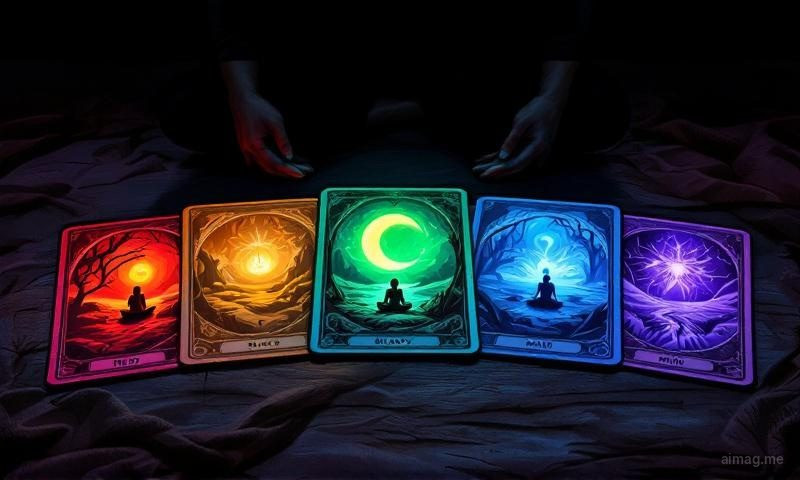
Cinque carte in un arco da sinistra a destra, come un ponte che collega due rive. La riva sinistra è il corpo. La riva destra è la mente. Il ponte è lo spazio tra di loro in cui la maggior parte di noi si perde.
| Posizione | Significato |
|---|---|
| 1 | Sensazione fisica — cosa sta tenendo il tuo corpo in questo momento |
| 2 | Radice emotiva — il sentimento sotto la sensazione |
| 3 | Pattern mentale — il loop di pensieri o la credenza che mantiene il ciclo |
| 4 | Messaggio energetico — cosa questo pattern corpo-mente sta cercando di comunicare |
| 5 | Passo di integrazione — la pratica o la consapevolezza che connette corpo e mente |
Come leggerlo: Prima di posizionare le carte, fai qualcosa di insolito per una lettura dei tarot: chiudi gli occhi e scansiona il tuo corpo. Nota dove vive la tensione. Nota dove senti facilità. Nota qualsiasi area che richiama la tua attenzione — dolore, pressione, calore, freddo, intorpidimento, formicolio. Apri gli occhi e disponi le carte con quella consapevolezza corporea ancora attiva.
La posizione 1 nomina l'esperienza fisica. Non la diagnosi medica — il senso vissuto. Levine ha coniato il termine "felt sense" per descrivere l'esperienza interna del corpo mentre si registra nella consapevolezza. Il Quattro di Spade qui non significa che hai bisogno di un pisolino. Significa che il tuo corpo è in uno stato di immobilità forzata — il tipo che deriva non dal riposo ma dall'esaurimento, dall'aver superato ogni limite ragionevole fino a quando il corpo ha semplicemente smesso di collaborare.
La posizione 2 va uno strato più in profondo. Quale emozione vive sotto quella sensazione fisica? Le spalle tese potrebbero trattenere rabbia. Il nodo allo stomaco potrebbe trattenere paura. La pesantezza alle gambe potrebbe trattenere un dolore così antico che hai dimenticato quando è arrivato. Van der Kolk scrive che il corpo immagazzina emozioni che la mente non riesce a tollerare — non come metafora ma come cambiamento fisiologico misurabile. La carta qui nomina l'emozione che il tuo corpo sta portando per te.
La posizione 3 identifica il livello mentale. Ogni pattern corpo-mente ha una componente di pensiero — una credenza, una narrativa, un monologo interiore ricorrente che mantiene il ciclo in rotazione. "Non sono al sicuro." "Devo essere perfetto." "Se mostro debolezza, sarò abbandonato." La carta qui rivela l'architettura cognitiva che mantiene il sintomo fisico e la radice emotiva. Il Sette di Denari rovesciato — la sensazione che tutti i tuoi sforzi siano stati sprecati — crea un pattern mentale di futilità che stringe il plesso solare e esaurisce le riserve emotive.
La posizione 4 è la carta più insolita di questo spread. Chiede: se questo pattern corpo-mente potesse parlare, cosa direbbe? Non cosa c'è di sbagliato in esso. Cosa sta cercando di dirti. L'Imperatrice qui dice che il pattern sta chiedendo nutrimento — non di essere risolto, analizzato o ignorato. Nutrimento. Il messaggio è: "Smettila di cercare di risolvermi. Tienimi." La Forza dice che il pattern sta chiedendo pazienza — si libererà, ma secondo i propri tempi, non i tuoi.
La posizione 5 è il ponte stesso. Il passo di integrazione. Non una cura — una pratica. Qualcosa che puoi fare, ripetutamente, per costruire una connessione tra il corpo che tiene la sensazione e la mente che tiene la storia. Il Due di Coppe qui suggerisce che la pratica è relazionale — essere tenuti, essere ascoltati, condividere l'esperienza con qualcuno di fiducia. L'Asso di Denari suggerisce che la pratica è fisica — esercizi di radicamento, meditazione camminata, mani nella terra, qualsiasi cosa che riconnetta la mente al mondo materiale.
Perché il Corpo Conta nel Tarot
La maggior parte dell'educazione tarotistica si concentra interamente sulla mente. Significati delle carte. Sistemi simbolici. Pattern numerologici. Corrispondenze astrologiche. Questi sono tutti framework cognitivi — vivono nella testa. Ma il tarot è una pratica fisica. Mescoli con le mani. Senti le carte. Le disponi su una superficie e le guardi con gli occhi. Il corpo è coinvolto che tu lo riconosca o meno.
I praticanti somatici direbbero che il coinvolgimento del corpo non è accessorio — è essenziale. Quando mescoli e una carta cade, le tue mani hanno fatto un micro-movimento. Quando ti senti attratto da una carta particolare nello spread, qualcosa nel petto o nell'intestino ha risposto prima che la mente formasse il pensiero. Il lavoro di Levine sul Somatic Experiencing mostra che il corpo elabora le informazioni più velocemente del pensiero cosciente. Nel momento in cui "decidi" di pescare una carta, la decisione è già stata presa a un livello sotto la consapevolezza verbale.
Uno spread dei chakra rende questo coinvolgimento corporeo esplicito. Invece di chiedere "Cosa significa questa carta?" stai chiedendo "Cosa sa il mio corpo?" Il cambiamento è sottile ma significativo. Sposta il centro della saggezza dalla testa all'intero organismo.
Carte che Parlano al Corpo
L'Imperatrice — Pura incarnazione. Questa carta vive nel corpo più di qualsiasi altro Arcano Maggiore. In uno spread dei chakra, parla di piacere fisico, ricchezza sensoriale e la saggezza che arriva attraverso i sensi piuttosto che attraverso il pensiero.
La Forza — Non la forza ma la resilienza nativa del corpo. Nella posizione 3 (plesso solare), La Forza dice che il tuo potere è somatico — vive nella tua presenza fisica, nella tua stabilità, nella calma che il tuo corpo proietta anche quando la mente è ansiosa.
La Papessa — Conoscenza corporea intuitiva. Nella posizione 6 (terzo occhio), La Papessa dice che la tua percezione funziona — ma opera al di sotto della consapevolezza cosciente, nel senso vissuto del corpo piuttosto che in parole o immagini.
La Temperanza — Equilibrio tra sistemi. Nella posizione 4 (cuore), La Temperanza indica un flusso sano tra chakra superiori e inferiori, tra corpo e mente, tra sentire e pensare. Questa è la carta dell'integrazione per natura.
Il Quattro di Spade — La richiesta di riposo del corpo. Ovunque appaia questa carta in uno spread dei chakra, il messaggio è: quest'area è esausta. Non bloccata — esaurita. Il rimedio non è aprire o rilasciare. È fermarsi. Riposare. Lasciare che il corpo si recuperi prima di chiedergli altro.
Domande Frequenti
Devo credere nei chakra per usare questo spread?
No. La struttura a sette posizioni funziona che tu la concepisca come centri energetici, regioni corporee, domini psicologici o semplicemente "sette aree della vita disposte dal fisico allo spirituale." Le carte non sanno né si preoccupano dei tuoi impegni metafisici. Rispondono alle posizioni che assegni loro e all'attenzione che porti alla lettura.
Posso usare questo spread per diagnosticare problemi di salute?
No — e non dovresti provarci. Uno spread dei tarot è uno strumento di auto-riflessione, non uno strumento medico. Se una carta suggerisce disagio fisico, questo è un invito a prestare attenzione al tuo corpo e, se necessario, a consultare un professionista sanitario. Lo spread può renderti consapevole di pattern. Non può diagnosticare condizioni.
E se tutte e sette le carte sembrano negative?
Una colonna di carte difficili non significa che tutto sia rotto. Potrebbe significare che stai attraversando un periodo di cambiamento complessivo — il tipo che disturba tutti i sistemi contemporaneamente prima di riorganizzarli a un livello più alto. Leggi la colonna nel suo insieme: c'è un pattern? Le carte inferiori sono più difficili di quelle superiori (problemi di radicamento) o il contrario (confusione esistenziale con fondamenta stabili)? Il pattern ti dice più di qualsiasi singola carta.
Con quale frequenza dovrei fare un check-in dei chakra?
Mensile funziona bene per la maggior parte delle persone. Il corpo cambia lentamente rispetto alla mente — un check-in settimanale mostrerebbe poca variazione. Mensile dà abbastanza tempo affinché i cambiamenti si registrino e abbastanza frequenza per cogliere i blocchi prima che si calcifichino. Se stai attraversando un periodo particolarmente intenso, ogni due settimane è ragionevole. Più di così e rischi di ossessionarti piuttosto che osservare.
Sette centri. Sette carte. Un corpo che ha cercato di dirti qualcosa per tutto il tempo in cui sei stato vivo. Van der Kolk ha trascorso quarant'anni a documentare cosa succede quando le persone smettono di ascoltare i propri corpi — i sintomi si moltiplicano, i pattern si approfondiscono, la disconnessione tra ciò che pensi e ciò che senti diventa un abisso che non riesci a attraversare. Levine ha trascorso altrettanto tempo a dimostrare che il percorso di ritorno è attraverso il corpo, non intorno ad esso. Uno spread tarot dei chakra non è terapia. Non è medicina. Sono dieci minuti con sette carte che ti chiedono di prestare attenzione ai luoghi in cui vive la sensazione, dove l'emozione si immagazzina, dove il significato si registra non come pensiero ma come esperienza fisica. Il petto stretto. Lo stomaco in nodo. La tensione alla mascella che noti solo quando qualcuno ti dice di allentarla. Queste non sono scomodità. Sono punti dati, altrettanto legittimi di qualsiasi pensiero o credenza che la tua mente produce. E quando disponi sette carte in una colonna e le leggi dalla radice alla corona, stai facendo qualcosa di straordinariamente semplice e straordinariamente raro: stai chiedendo al tuo corpo cosa sa. La risposta, nella mia esperienza, è di solito più di quanto ti aspettassi.