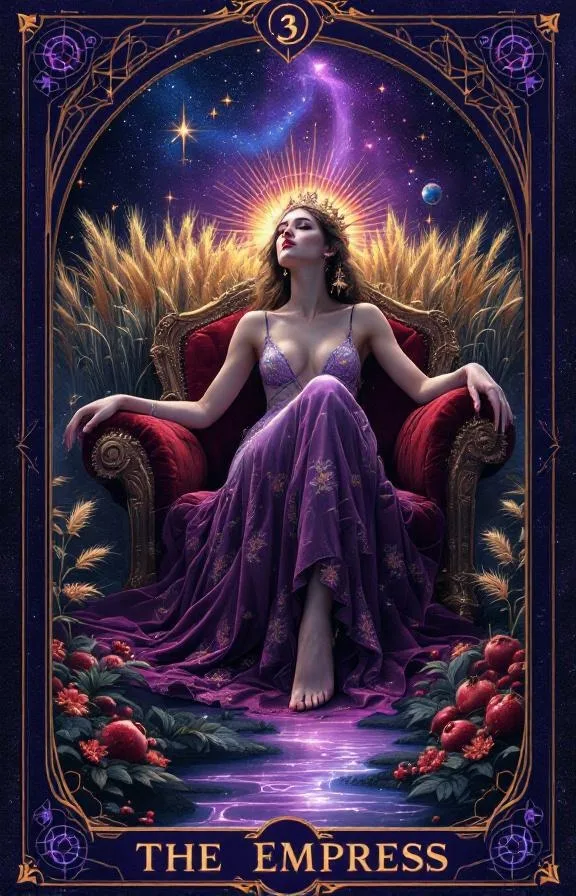
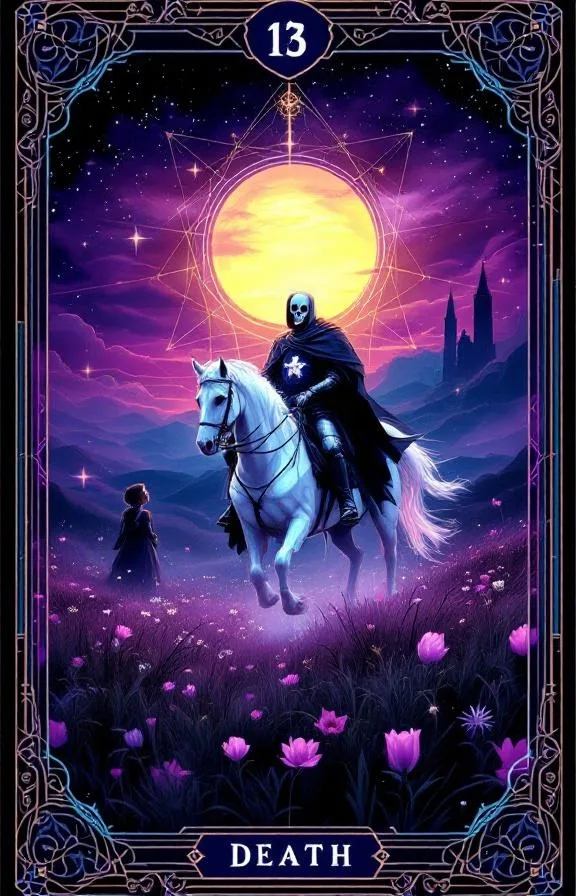
Una foresta dopo un incendio non assomiglia all'abbondanza. I tronchi anneriti, il suolo coperto di cenere, il silenzio dove un tempo cantavano gli uccelli — sembra una fine. Ma gli ecologi sanno da decenni che certi ecosistemi hanno bisogno del fuoco per rigenerarsi. Alcuni semi germinano solo con il calore. Alcune specie prosperano solo quando la chioma che bloccava la loro luce è bruciata. L'Imperatrice e La Morte insieme incarnano questo paradosso: che la vera creazione richiede talvolta lo smantellamento completo di ciò che è venuto prima, e che il terreno più fertile è spesso fatto di ciò che è stato distrutto.
L'Imperatrice e La Morte a Colpo d'Occhio
| L'Imperatrice | La Morte | |
|---|---|---|
| Numero | III | XIII |
| Elemento | Terra / Venere | Acqua / Scorpione |
| Tema centrale | Nutrimento, abbondanza, creatività | Trasformazione, fine, rinnovamento |
Insieme: Creazione attraverso la dissoluzione — il riconoscimento che qualcosa deve finire completamente perché qualcosa di nuovo possa davvero cominciare.
La Dinamica Centrale
La psichiatra Elisabeth Kübler-Ross ha famosamente mappato le fasi del lutto, ma la sua intuizione più profonda era più radicale: il lutto non è un problema da risolvere ma un processo da attraversare. Ha la sua intelligenza, il suo tempismo e la sua strana capacità di restituirci alla vita. Quando L'Imperatrice incontra La Morte, troviamo una versione di questa verità applicata oltre la perdita letterale. Qualcosa nella tua vita — un'identità, una direzione creativa, un modo di relazionarti con gli altri, una definizione di cosa significhi sicurezza per te — potrebbe subire una morte che il tuo istinto di nutrimento vuole disperatamente prevenire.
L'Imperatrice, nella sua forma più ansiosa, si aggrappa. È la madre che non riesce a lasciar crescere il figlio, l'artista che continua a lucidare un'opera finita invece di rilasciarla, la persona che rimane in una situazione superata perché è calda e familiare anche se ha smesso di nutrirla. La Morte non è crudele — è onesta. Dice: questa versione è completa. Tenerla non preserva ciò che era di buono in essa; tenerla impedisce solo ciò che viene dopo.
Lo psicologo William Bridges, nel suo lavoro sulle transizioni, distinse tra "cambiamento" e "transizione." Il cambiamento è esterno e situazionale: perdi un lavoro, una relazione finisce, ti trasferisci in una nuova città. La transizione è interna e psicologica: il processo attraverso cui lasci andare la vecchia identità, attraversi una zona neutrale disorientante e integri gradualmente un nuovo senso di sé. L'Imperatrice e La Morte insieme suggeriscono che potresti trovarti nella zona neutrale — lo spazio dopo la fine ma prima che il nuovo inizio si sia pienamente formato. L'Imperatrice vuole saltare questa zona. Vuole nutrire qualcosa immediatamente, riempire il vuoto con nuova crescita. La Morte le chiede di aspettare — non perché la nuova crescita sia impossibile, ma perché piantare prematuramente in un suolo non ancora completamente lavorato produce radici deboli.
Ciò che rende questa combinazione psicologicamente potente è l'interazione elementale. L'Acqua dello Scorpione non nutre dolcemente la Terra come fa l'Acqua lunare dell'Alta Sacerdotessa. L'Acqua dello Scorpione allaga, erode, trasforma a livello molecolare. È l'acqua che scava canyon — lentamente, irreversibilmente, su una scala temporale che rende banale la pazienza umana. Il nuovo paesaggio che crea sarà bello, ma non assomiglierà a quello vecchio. Ed è quella parte che fa male.
In Amore e Relazioni
Per i single, L'Imperatrice e La Morte insieme possono indicare la fine di un pattern piuttosto che la fine di una persona. Il ricercatore sull'attaccamento John Bowlby osservò che le nostre prime esperienze di legame creano "modelli operativi interni" delle relazioni — schemi che modellano chi ci attrae, come ci comportiamo quando ci sentiamo insicuri e cosa crediamo di meritare. La Morte in questo contesto può essere lo smantellamento di un modello operativo obsoleto: la parte di te che equipara l'amore all'autosacrificio, o che crede di dover guadagnare l'affetto attraverso la cura degli altri. L'Imperatrice fornisce il calore per sopravvivere a questo smantellamento. Assicura che tu non scambi la morte di un pattern con la morte della tua capacità di amare.
Nelle relazioni consolidate, questa associazione appare spesso durante profonde transizioni: la decisione di avere o non avere figli, la perdita di un genitore che ridisegna la struttura familiare, o il riconoscimento che la relazione che hai non è più quella in cui sei entrato — e che questo non è necessariamente un fallimento. Lo psicanalista James Hollis scrive che le migliori partnership a lungo termine sono quelle che sopravvivono a molteplici "morti" — ogni partner che periodicamente supera la versione di sé stesso di cui l'altro si era innamorato, e sceglie di innamorarsi della versione successiva invece di piangere la precedente. L'Imperatrice e La Morte insieme chiedono: puoi lasciare che la vecchia forma del tuo amore muoia e fidarti che ciò che cresce dai suoi resti possa essere più ricco di ciò che avevi?
In Carriera e Finanze
Professionalmente, questa è la combinazione della svolta creativa — non la leggera correzione di rotta ma il ripensamento fondamentale. Se hai mantenuto una carriera, un modello di business o una pratica creativa che non riflette più chi stai diventando, queste carte suggeriscono che le correzioni incrementali non saranno sufficienti. Qualcosa deve essere completamente compostato affinché i nutrienti che contiene possano alimentare ciò che viene dopo.
Finanziariamente, L'Imperatrice e La Morte possono indicare che il tuo rapporto con la sicurezza materiale sta subendo una trasformazione. Questo non significa necessariamente perdita finanziaria — sebbene possa accadere. Più spesso, significa che la tua definizione di abbondanza sta cambiando. Ciò che un tempo sembrava sufficiente ora potrebbe sembrare eccessivo. Ciò che un tempo sembrava privazione ora potrebbe sembrare libertà. Il concetto di "sufficienza" dell'economista E.F. Schumacher si applica qui: il riconoscimento che oltre una certa soglia, di più non significa meglio, e che lasciare andare il superfluo può creare spazio per una vita più ricca e meno ingombra.
Il Messaggio Profondo
L'Imperatrice crea. La Morte completa. Insieme, descrivono il ciclo completo da cui ogni sistema vivente dipende: crescita, maturazione, rilascio e ricrescita. La natura non piange l'autunno. L'albero non si scusa per aver perso le foglie. Si fida semplicemente del ciclo — che ciò che cade nutre ciò che viene dopo, e che i rami spogli dell'inverno non sono vuoti ma a riposo, raccogliendo energia per una primavera già codificata nelle radici.
Cosa nella tua vita chiede di essere rilasciato — non perché abbia fallito, ma perché ha completato il suo scopo?
Curioso di cosa significhino L'Imperatrice e La Morte per TE? Prova una lettura gratuita con l'IA e scopri cosa riflettono le carte sulla tua situazione attuale.