
A maioria das pessoas que compra um baralho de tarô usa com entusiasmo por umas duas semanas. Puxam cartas toda manhã, pesquisam os significados, sentem uma faísca de algo — reconhecimento, curiosidade, aquela estranheza agradável de um símbolo que parece conhecê-las. Então, numa manhã, estão com pressa, ou as cartas parecem sem vida, ou simplesmente não lembram o que significa o Sete de Ouros e não têm vontade de pesquisar de novo. O baralho vai para a prateleira. E fica lá.
Não é um problema de tarô. É um problema de hábito. E esse problema foi estudado extensivamente por quem entende como os hábitos se formam, se fixam e se desfazem.
A boa notícia é que construir uma prática diária de tarô sustentável não exige disciplina de ferro, força de vontade ou qualquer compromisso espiritual específico. Exige entender como os hábitos funcionam — e então desenhar sua prática de acordo com o que a pesquisa diz sobre consistência. A notícia ainda melhor: a prática diária é a forma mais eficiente de aprender as cartas, porque a repetição com reflexão faz algo que nenhuma sessão de estudo, curso ou aplicativo de memorização consegue: cria associações pessoais que tornam o baralho seu.
Em resumo: Construa um hábito de tarô tornando-o pequeno e conectando-o a algo que você já faz, seguindo as pesquisas de BJ Fogg e James Clear. Puxe uma carta depois do seu café da manhã, olhe por dez segundos e, se quiser, escreva uma frase sobre ela. Consistência importa mais que profundidade, nunca pule dois dias seguidos, e em quatro a seis meses você terá familiaridade pessoal com todas as 78 cartas.
Por que a prática diária importa mais que o estudo
Existe uma crença comum entre os iniciantes de que o caminho para a competência é a memorização. Aprenda os setenta e oito significados, aprenda os spreads, aprenda as cartas invertidas — e então estará pronto para ler. É compreensível: é assim que aprendemos a maioria das coisas na escola. Mas essa abordagem deixa passar o que torna o tarô diferente de uma lista de vocabulário ou de datas históricas.
Tarô é uma prática reflexiva. O significado de uma carta não é fixo — ele muda conforme a pergunta, a posição, as cartas ao redor e o estado de espírito de quem lê. O Cinco de Copas significa uma coisa numa leitura de carreira e outra numa leitura de relacionamento. Significa algo diferente numa manhã de luto e algo diferente numa manhã de contentamento. A única maneira de desenvolver fluência com esse tipo de significado contextual e variável é encontrar as cartas repetidamente, em diferentes estados de espírito, ao longo do tempo.
Pesquisas pioneiras de memória, dos anos 1880, demonstraram que a informação aprendida por repetição espaçada — encontrada repetidamente ao longo de dias e semanas, em vez de estudada intensamente numa única sessão — é retida com muito mais eficácia. A "curva do esquecimento" mostra que perdemos aproximadamente 70% das novas informações em 24 horas, a menos que as encontremos novamente. Puxar uma carta diariamente é, queiramos ou não, uma implementação perfeita da repetição espaçada. A cada manhã que você puxa uma carta, está revisando um dos setenta e oito itens de um conjunto — construindo conexões neurais ligeiramente mais fortes a cada vez. Com semanas e meses, os significados deixam de ser fatos memorizados e se tornam intuições que você possui.
A abordagem dos hábitos minúsculos
BJ Fogg, cientista comportamental da Universidade de Stanford, passou duas décadas pesquisando por que as pessoas falham em criar novos hábitos. Sua conclusão, publicada em Tiny Habits: The Small Changes That Change Everything (2019), é que o problema quase nunca é motivação. As pessoas que querem meditar, se exercitar ou escrever num diário não param porque deixaram de querer. Elas param porque o comportamento que estão tentando construir é grande demais, vago demais ou desconectado demais das suas rotinas existentes.
A solução de Fogg é radical na sua simplicidade: torne o hábito tão pequeno que seja quase impossível falhar. Em vez de "vou meditar por vinte minutos toda manhã", a instrução é: "Depois de servir meu café, vou respirar fundo uma vez." Esse é o hábito inteiro. Uma respiração. O ponto não é que uma respiração vai transformar sua vida. O ponto é que fazer algo minúsculo e específico, conectado a algo que você já faz, cria um ponto de apoio comportamental. Uma vez que esse ponto existe, o comportamento naturalmente se expande. Uma respiração vira três. Três viram cinco minutos. Mas só se você começar com uma.
Aplicado ao tarô, a abordagem dos hábitos minúsculos fica assim: Depois de [hábito existente], vou puxar uma carta e olhar para ela por dez segundos. Essa é a prática. Não "vou fazer um spread de três cartas e escrever sobre isso por quinze minutos." Não "vou estudar o significado e memorizar as correspondências." Puxe uma carta. Olhe. Perceba o que perceber. Pronto.
O hábito existente é a âncora — o comportamento que você já faz todo dia sem pensar. Pode ser servir o café, escovar os dentes, sentar na mesa de trabalho ou desligar o alarme. A carta puxada é o novo comportamento, anexado à âncora como uma lapa no casco de um barco. Pequeno o suficiente para fazer no seu pior dia. Simples o suficiente para fazer antes do cérebro acordar completamente.

Habit stacking: o método James Clear
James Clear, em Atomic Habits (2018), desenvolve o trabalho de Fogg com uma estrutura que ele chama de habit stacking: conectar um novo hábito a um existente usando a fórmula "Depois de [hábito atual], vou [novo hábito]." O insight central de Clear é que os hábitos não existem isoladamente — são cadeias. Você não simplesmente "escova os dentes". Você acorda, vai ao banheiro, escova os dentes, lava o rosto, se veste. Cada comportamento aciona o próximo. Um novo hábito se fixa melhor quando é inserido numa cadeia existente do que quando fica à deriva.
Para uma prática diária de tarô, o habit stacking pode ser qualquer um destes:
- Depois de servir meu café da manhã, vou puxar uma carta de tarô.
- Depois de sentar na minha mesa de trabalho, vou puxar uma carta e escrever uma frase sobre ela.
- Depois de apagar a luz do quarto, vou puxar uma carta e pensar sobre ela enquanto adormeço.
A especificidade importa. "Vou puxar uma carta todo dia" é um desejo. "Depois de servir meu café, vou puxar uma carta do baralho que está na bancada da cozinha" é um plano. O plano tem horário, local, gatilho e ação definida. A pesquisa de Clear mostra que pessoas que especificam quando e onde vão realizar um hábito têm muito mais probabilidade de cumprir do que aquelas que dependem de intenções vagas.
Repare que nenhum desses exemplos menciona pesquisar o significado da carta. Isso é intencional. Nas primeiras semanas de construção do hábito, a prioridade é o próprio comportamento — o ato físico de puxar uma carta e passar alguns segundos com ela. A atribuição de significado vem naturalmente, e mais rápido do que você espera. Após uma semana de puxadas diárias, você começará a reconhecer as cartas. Após um mês, terá associações pessoais com muitas delas. Após três meses, terá uma relação com o baralho que nenhum guia de estudo poderia ter dado.
Manhã vs. noite: quando puxar
Não há horário objetivamente correto para puxar uma carta diária. Mas há diferenças no que cada momento oferece, e conhecê-las ajuda a escolher a abordagem que se encaixa na sua vida.
Puxadas matinais são prospectivas. Você tira uma carta antes que o dia aconteça, e a carta se torna uma lente para interpretar o que se desenrola. Se você puxar O Imperador, pode notar ao longo do dia momentos em que estrutura, autoridade ou disciplina são relevantes. A carta não prevê o seu dia — ela prepara sua atenção. Isso está relacionado ao que psicólogos chamam de ilusão de frequência: uma vez que algo está na sua mente, você o nota em todo lugar. Uma carta matinal coloca um tema específico em sua mente, e você passa o dia percebendo esse tema em ação.
Puxadas noturnas são retrospectivas. Você tira uma carta depois que o dia aconteceu, e ela se torna um resumo ou uma reflexão sobre o que ocorreu. Se você puxar o Seis de Espadas à noite, pode olhar para o seu dia e perceber que passou se afastando de algo — uma conversa difícil, um projeto que decidiu abandonar, uma mentalidade que superou. Puxadas noturnas combinam naturalmente com journaling, como discutimos em nosso guia sobre diário de tarô, porque o dia fornece material concreto para conectar à simbologia da carta.
Alguns praticantes fazem os dois — uma puxada matinal para intenção e uma noturna para reflexão. Funciona, mas é o dobro do comprometimento, o que pode dificultar a formação do hábito nos estágios iniciais. Comece com uma. Você sempre pode adicionar a outra depois.
O diário de uma frase
Se você quer adicionar profundidade à sua prática diária sem acrescentar peso, o diário de uma frase é o método que equilibra esforço e recompensa com mais eficiência. A prática é exatamente o que parece: puxe sua carta, depois escreva uma frase sobre ela.
Não um parágrafo. Não um ensaio. Uma frase.
"Três de Paus — parece esperar por algo que já coloquei em movimento." "A Sacerdotisa — tenho um sentimento que estou ignorando hoje." "Nove de Espadas — dormi mal, ansioso com a apresentação."
A frase não precisa ser perspicaz. Não precisa estar correta. Não precisa nem fazer referência ao significado "oficial" da carta. Ela precisa ser honesta — um instantâneo do que você viu e sentiu ao olhar para a carta. Com semanas e meses, essas frases se acumulam em algo notável: um registro da sua relação com o baralho e, por extensão, um registro da sua vida interior.
Quando você olhar para três meses de entradas de uma frase, notará padrões. As mesmas cartas aparecem em dias parecidos. Suas interpretações mudam conforme suas circunstâncias mudam. Cartas que antes eram confusas se tornam cartas com as quais você tem uma história pessoal. Esse significado pessoal acumulado é o que separa um leitor de tarô de alguém que memorizou um livro de definições. Como exploramos em nosso artigo sobre como ler cartas de tarô, as melhores interpretações não vêm do que alguém te disse que uma carta significa, mas do que você aprendeu que ela significa através de encontros repetidos e honestos.
O que fazer quando você falha um dia
Você vai falhar um dia. Vários dias. Isso não é fracasso. É o ritmo normal de qualquer hábito, e como você responde à lacuna importa mais do que a lacuna em si.
James Clear aborda isso diretamente em Atomic Habits com o que chama de "regra dos dois dias": nunca falhe duas vezes. Falhar uma vez é um acidente. Falhar duas vezes é o começo de um novo padrão. A diferença psicológica é significativa. Após um dia perdido, o hábito ainda parece algo que você faz. Após dois dias perdidos, começa a parecer algo que você costumava fazer. Após uma semana, o baralho está de volta à prateleira.
A estratégia de recuperação é simples: torne a próxima puxada menor que o normal. Se a sua prática habitual é puxar uma carta e escrever uma frase, sua prática de retorno é puxar uma carta e olhar para ela por três segundos. Você não está reconstruindo o hábito do zero. Está lembrando ao seu cérebro que isso é algo que você faz. A pequenez da ação é o ponto — ela remove a fricção de "voltar a fazer" e a substitui por um gesto tão pequeno que seria mais difícil pular do que fazer.
Não use um dia perdido como ocasião para culpa ou autocrítica. A pesquisa de Fogg é clara: emoções negativas em torno de um hábito tornam o hábito menos provável de durar, não mais. Quando você falha um dia, o mais produtivo que pode fazer é dar de ombros, puxar uma carta amanhã e seguir em frente. O baralho vai esperar. Já esperou alguns séculos. Consegue aguentar mais um dia.
Rastrear o progresso sem obcecar
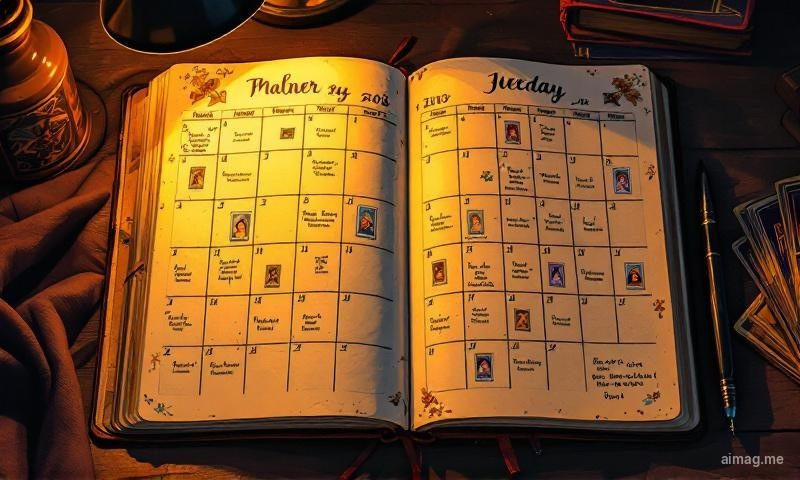
Algumas pessoas se beneficiam de rastreamento visível — um calendário onde marcam cada dia em que puxaram uma carta, um contador de sequência num aplicativo, uma fileira de marcações no diário. O registro visual de consistência cria sua própria motivação: você não quer quebrar a corrente.
Outras pessoas acham que o rastreamento cria pressão que mina a prática. A caixa vazia no calendário vira uma acusação, e a prática passa de algo prazeroso para algo devido. Se esse é o seu caso, não rastreie. A prática não precisa de validação externa para funcionar.
Se você rastrear, rastreie o comportamento, não o resultado. Rastreie se puxou uma carta, não se "teve uma boa leitura" ou "entendeu a carta". O comportamento é o que você controla. O entendimento vem no próprio horário, à sua própria maneira, muitas vezes quando você não está tentando.
Um caminho do meio útil: tire uma foto de cada carta diária no celular. Com o tempo, seu rolo de câmera se torna um diário visual da sua prática — rolável, sem data, sem pressão. Você pode olhar quando quiser. Pode esquecer completamente também. As fotos estarão lá de qualquer forma.
Como a prática diária muda a sua leitura
Algo muda por volta da sexta semana. Não é dramático — não há momento de iluminação, nenhuma habilidade repentina de ler as cartas como um livro. É mais sutil. Você começa a reconhecer cartas de vista, em vez de precisar pesquisar. Desenvolve sentimentos por certas cartas — afinidades, resistências, curiosidades — que nada têm a ver com o que o guia diz e tudo a ver com a sua experiência acumulada.
A Rainha de Espadas começa a te lembrar da sua mãe. O Dois de Paus parece as manhãs de quinta-feira em que você está decidindo no que trabalhar. O Eremita se torna a carta que você puxa quando precisa estar só, e você começa a notar que a puxa com mais frequência do que a probabilidade sugeriria — o que já é informação útil sobre o que você precisa.
Essa é a diferença entre conhecer as cartas e conhecer as suas cartas. A primeira é acadêmica. A segunda é relacional. Você não consegue a segunda a partir de um livro. Só consegue puxando cartas diariamente, no contexto ordinário da sua vida ordinária, até que as cartas se tornem parte de como você pensa sobre seus dias.
Como discutimos em nosso artigo sobre a ciência da aleatoriedade, as cartas que você tira são estatisticamente aleatórias. Mas os significados que você atribui não são. Eles são moldados pela sua atenção, sua experiência e as perguntas que você traz. A prática diária é o que constrói a ponte entre a tiragem aleatória e o significado pessoal — e quanto mais você pratica, mais forte essa ponte fica.
Perguntas frequentes
Quanto tempo leva para aprender todas as 78 cartas através da prática diária?
Não há um prazo fixo, mas a maioria dos praticantes diários relata familiaridade confortável com o baralho completo após quatro a seis meses de puxadas consistentes de uma carta. Isso não significa que você saberá cada significado tradicional de cor. Significa que você terá uma relação pessoal com cada carta — uma sensação imediata, um conjunto de associações, um senso do que ela é. Algumas cartas vão clicar na primeira semana. Outras permanecerão misteriosas por meses, para então de repente fazer sentido quando você as tira num dia que combina com sua energia. Confie no processo. O baralho se ensina sozinho se você aparecer.
Devo usar o mesmo baralho todo dia?
Para construir uma prática diária, sim — pelo menos no começo. Usar o mesmo baralho cria familiaridade visual, o que acelera o reconhecimento. Seu cérebro aprende a associar imagens específicas a sentimentos e significados específicos, e trocar de baralho interrompe esse processo. Uma vez que sua prática esteja estabelecida e o hábito sólido — geralmente após dois a três meses — você pode experimentar outros baralhos. Pode descobrir que baralhos diferentes combinam com humores ou estações diferentes. Mas comece com um.
E se eu continuar tirando as mesmas cartas repetidamente?
Isso acontece com mais frequência do que a probabilidade pura sugeriria, e é um dos aspectos mais úteis da prática diária. Quando uma carta continua aparecendo, vale prestar atenção — não porque o baralho esteja "tentando te dizer algo" num sentido sobrenatural, mas porque sua reação ao ver a mesma carta repetidamente revela o que você está preocupado no momento. Se A Torre aparece três vezes numa semana e você sente pavor a cada vez, esse pavor é um dado. O que na sua vida parece instável? O que você tem medo que desmorone? Essas são perguntas produtivas, independentemente do motivo pelo qual a carta apareceu. Exploramos esse fenômeno em nosso artigo sobre cartas recorrentes.
Preciso limpar meu baralho entre puxadas diárias?
Isso é questão de preferência pessoal, não de necessidade. Alguns leitores embaralham completamente entre as puxadas e consideram isso suficiente. Outros batem no baralho, sopram nele ou colocam um cristal em cima. Se um ritual ajuda você a fazer a transição de "estou na minha rotina matinal" para "estou prestando atenção a uma carta", então ele tem uma função. Se parece uma obrigação que adiciona atrito à prática, pule. As cartas não precisam de manutenção energética. O que precisam é da sua atenção, e qualquer ritual que apoie essa atenção é útil. Qualquer ritual que se torne uma barreira não é. Para uma análise mais profunda desse tema, veja nosso guia sobre como limpar cartas de tarô.
Uma prática diária de tarô não é sobre se tornar um leitor melhor, embora isso aconteça. É sobre construir um hábito de autorreflexão — alguns segundos toda manhã ou noite em que você pausa, olha para uma imagem e pergunta o que ela significa para você agora. As cartas são um prompt. A prática é a conversa que você tem consigo mesmo em resposta. E como qualquer conversa que vale a pena ter, ela fica mais rica quanto mais frequentemente você aparece.