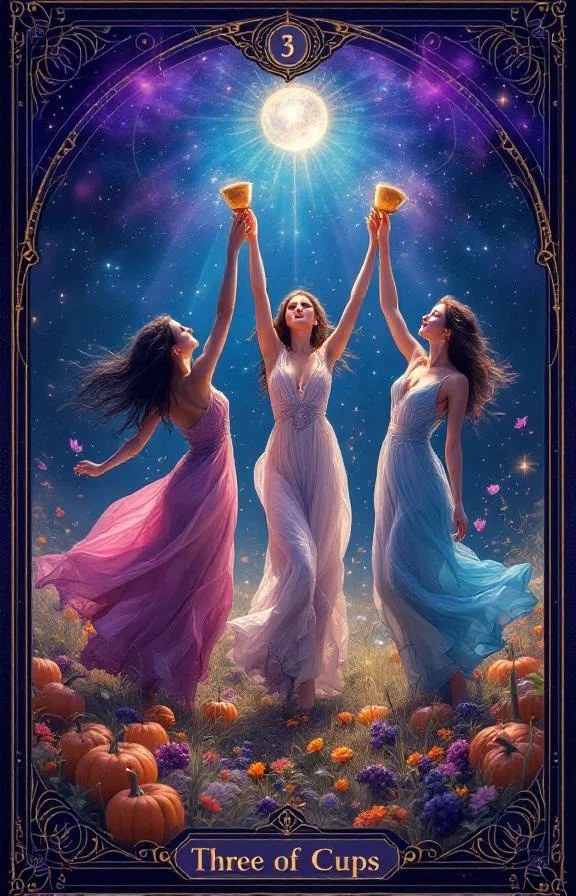
Sua carta natal do tarô é a carta dos Arcanos Maiores ligada à sua data de nascimento por meio de redução numerológica. Leva cerca de trinta segundos para calcular, nunca muda, e oferece uma lente surpreendentemente útil para entender seus padrões psicológicos centrais. Não porque o universo codificou uma carta no seu aniversário — mas porque o arquétipo te dá um vocabulário para tendências que você provavelmente já reconhece em si mesmo.
Em resumo: Sua carta natal do tarô vem da soma de todos os dígitos da sua data de nascimento, reduzida a um número entre 1 e 22, que corresponde a uma carta dos Arcanos Maiores. A psicologia por trás disso não é magia numerológica — é identificação arquetípica, um processo em que se engajar com um framework de identidade simbólica produz genuíno autoconhecimento. Pessoas capazes de articular seus temas centrais apresentam maior bem-estar psicológico. A carta natal oferece um framework pronto para fazer exatamente isso.
Como calcular sua carta natal do tarô
O método é direto. Pegue sua data de nascimento completa, some todos os dígitos e reduza até chegar a um número entre 1 e 22.
Exemplo: 15 de março de 1992
- Escreva a data em números: 15 / 03 / 1992
- Some todos os dígitos: 1 + 5 + 0 + 3 + 1 + 9 + 9 + 2 = 30
- Reduza: 3 + 0 = 3
- Sua carta natal é III — A Imperatriz
Exemplo: 29 de novembro de 1985
- Escreva: 29 / 11 / 1985
- Some: 2 + 9 + 1 + 1 + 1 + 9 + 8 + 5 = 36
- Reduza: 3 + 6 = 9
- Sua carta natal é IX — O Eremita
Exemplo: 4 de julho de 2000
- Escreva: 04 / 07 / 2000
- Some: 0 + 4 + 0 + 7 + 2 + 0 + 0 + 0 = 13
- Não é necessária redução adicional (13 está entre 1 e 22)
- Sua carta natal é XIII — A Morte
Regras importantes:
- Se a soma for 22, sua carta natal é 0 — O Louco (22 se reduz a O Louco na numerologia do tarô, pois O Louco é numerado 0 mas ocupa a posição 22 na jornada)
- Se a soma já estiver entre 1 e 22 após a primeira adição, pare — não reduza mais
- Se a soma ficar acima de 22, continue reduzindo somando os dígitos até chegar entre 1 e 22
Pares de cartas natais: o duplo arquétipo
É aqui que o sistema fica mais interessante. Toda carta natal tem um par — uma segunda carta derivada pela redução adicional do número da sua carta natal a um único dígito (se já não for). Esse par representa um arquétipo complementar que acompanha sua carta principal.
Como os pares funcionam:
Se o número da sua carta natal é de dois dígitos (10-22), reduza-o a um único dígito para encontrar sua carta par.
- Carta natal 10 (Roda da Fortuna) forma par com 1 (O Mago): 1+0=1
- Carta natal 13 (A Morte) forma par com 4 (O Imperador): 1+3=4
- Carta natal 19 (O Sol) forma par com 10 (Roda da Fortuna) e depois 1 (O Mago): 1+9=10, 1+0=1
- Cartas natais 1-9 são suas próprias primárias — elas formam par com a carta de dois dígitos que se reduz a elas
O par cria uma polaridade. Sua carta principal é o arquétipo com o qual você lidera — a energia mais visível na forma como você se move pelo mundo. Sua carta par é a camada mais profunda, a energia que opera sob a superfície e tende a emergir durante crises, transições ou introspecção profunda.

A tabela completa de cartas natais
| Número | Arcanos Maiores | Par com |
|---|---|---|
| 1 | O Mago | 10 — Roda da Fortuna, 19 — O Sol |
| 2 | A Sacerdotisa | 11 — A Justiça, 20 — O Julgamento |
| 3 | A Imperatriz | 12 — O Enforcado, 21 — O Mundo |
| 4 | O Imperador | 13 — A Morte, 22/0 — O Louco |
| 5 | O Hierofante | 14 — A Temperança |
| 6 | Os Amantes | 15 — O Diabo |
| 7 | O Carro | 16 — A Torre |
| 8 | A Força | 17 — A Estrela |
| 9 | O Eremita | 18 — A Lua |
| 10 | Roda da Fortuna | 1 — O Mago, 19 — O Sol |
| 11 | A Justiça | 2 — A Sacerdotisa, 20 — O Julgamento |
| 12 | O Enforcado | 3 — A Imperatriz, 21 — O Mundo |
| 13 | A Morte | 4 — O Imperador |
| 14 | A Temperança | 5 — O Hierofante |
| 15 | O Diabo | 6 — Os Amantes |
| 16 | A Torre | 7 — O Carro |
| 17 | A Estrela | 8 — A Força |
| 18 | A Lua | 9 — O Eremita |
| 19 | O Sol | 1 — O Mago, 10 — Roda da Fortuna |
| 20 | O Julgamento | 2 — A Sacerdotisa, 11 — A Justiça |
| 21 | O Mundo | 3 — A Imperatriz, 12 — O Enforcado |
| 22/0 | O Louco | 4 — O Imperador, 13 — A Morte |
Perfis de personalidade para cada carta natal
1 — O Mago
Iniciador natural que traduz visão em realidade através de habilidade e força de vontade. Você olha para materiais brutos e instintivamente vê o que eles podem se tornar. Sombra: manipulação — usar dons de comunicação para controlar em vez de criar.
2 — A Sacerdotisa
Você opera através da intuição e do profundo conhecimento interior. Você capta o que os outros perdem — dinâmicas não ditas, correntes emocionais subterrâneas, o que as pessoas querem dizer mas se recusam a dizer. Sombra: retirada para o conhecimento interior até se tornar inacessível.
3 — A Imperatriz
Fundamentalmente criativo — você nutre coisas até que existam. Relacionamentos, projetos, ambientes: você os traz à vida e os cuida enquanto crescem. Sombra: super-identificação com o papel de cuidador, perdendo-se no que constrói para os outros.
4 — O Imperador
Você constrói estruturas — regras, sistemas, organizações, planos. As pessoas recorrem a você quando o caos precisa de ordem. Sombra: rigidez, quando a estrutura se torna mais importante do que o que foi construído para proteger.
5 — O Hierofante
Atraído por sistemas de significado — filosofia, religião, educação, tradição. Você aprende profundamente e transmite o que absorve. Sombra: dogmatismo, confundir o mapa com o território.
6 — Os Amantes
Sua vida é moldada por escolhas definidoras. Você é atraído pela integração — unir valores ou desejos opostos em um todo coerente. Sombra: paralisia por ver lados demais, ou dependência de validação externa para romper o empate.
7 — O Carro
Determinação focada. Quando você se compromete, persegue com intensidade, mantendo forças opostas em tensão enquanto ainda avança. Sombra: a incapacidade de ceder ou deixar um processo se desenrolar sem segurar as rédeas.
8 — A Força
Seu poder é a resistência — a capacidade silenciosa de enfrentar a dificuldade sem titubear. Você gerencia a intensidade pela paciência e não pela agressão. Sombra: supressão, confundir controle emocional com saúde emocional.
9 — O Eremita
Um buscador natural para quem respostas superficiais nunca são suficientes. A solidão não é solidão para você — é onde seu pensamento mais profundo acontece. Sombra: isolamento disfarçado de busca por sabedoria.
10 — Roda da Fortuna
Sua vida se move em ciclos dramáticos. Você reconhece as mudanças cedo e as navega com adaptabilidade notável. Sombra: fatalismo — tratar os ciclos como destino em vez de padrões que você pode moldar.
11 — A Justiça
Orientado para a verdade e as consequências. Você vê causa e efeito com clareza incomum e nomeia o elefante na sala. Sombra: julgamento sem misericórdia, padrões que não deixam espaço para imperfeição.
12 — O Enforcado
Você vê o mundo de um ângulo diferente — literalmente. Seus insights vêm da disposição de suspender suposições convencionais. Confortável com ambiguidade e paradoxo quando todo mundo se contorce. Sombra: passividade, confundir suspensão com sabedoria quando o momento exige ação.
13 — A Morte
Um agente de transformação. Você entende instintivamente que fins são começos, e abandona velhas identidades com uma naturalidade que perturba as pessoas ao seu redor. Sombra: destrutividade — demolir coisas antes do tempo porque você ficou inquieto.
14 — A Temperança
Um integrador natural que mistura, equilibra e harmoniza. Onde outros veem ou/ou, você vê e/e. Sombra: evitação de conflito, suavizando situações que precisam de uma posição clara.
15 — O Diabo
Você entende o desejo e a sombra com honestidade incomum. As partes da vida que a sociedade educada ignora não te assustam, o que te torna fascinante. Sombra: a linha entre entender a escuridão e ser consumido por ela.
16 — A Torre
Atraído (ou sujeito) a colapsos repentinos de estruturas construídas em bases falsas. Sua presença catalisa os desmoronamentos que todos os outros fingiam que não aconteceriam. Sombra: identificação com a própria destruição, demolir apenas porque pode.
17 — A Estrela
Você carrega esperança — não otimismo ingênuo, mas o tipo quieto que persiste após a dificuldade. Sua presença é naturalmente curativa. Sombra: esgotamento por ser a fonte de luz de todos enquanto ignora suas próprias necessidades.
18 — A Lua
Você vive perto do inconsciente. Sonhos, intuições, medos — o material que a maioria das pessoas suprime é seu território natural. Sua criatividade vem de poços profundos. Sombra: confusão entre intuição genuína e reconhecimento de padrões movido pela ansiedade.
19 — O Sol
Alegria, confiança, vitalidade, clareza — seu estado natural é abertura e calor que atrai as pessoas. Sombra: evitação da profundidade, a disposição solar que se recusa a sentar com a escuridão ou a complexidade.
20 — O Julgamento
Orientado para o despertar — momentos de clareza em que você vê sua vida de um ponto de vista mais elevado. Você chama outros para sua própria transformação quer tenham pedido ou não. Sombra: arrogância, certeza de que você enxerga claramente enquanto todos os outros dormem.
21 — O Mundo
Orientado para conclusão e integração. Você vê como as peças se encaixam em todos e leva as coisas à realização. Sombra: dificuldade de começar de novo — relutância em deixar um ciclo concluído para um novo desconhecido.
22/0 — O Louco
Você vive na beira. Novos começos, saltos de fé, entrar no desconhecido com uma confiança que assustaria a maioria das pessoas. Você traz frescor a tudo porque não está apegado a como as coisas sempre foram feitas. Sombra: imprudência e um rastro de jornadas inacabadas.
Por que isso funciona psicologicamente
A objeção óbvia: isso é numerologia com roupagem psicológica. Seu aniversário é arbitrário. O cálculo é arbitrário. O mapeamento para uma carta do tarô é arbitrário. Então como isso produz insights genuínos?
A resposta envolve identidade narrativa — um conceito da psicologia da personalidade. Pesquisas demonstram que o bem-estar psicológico se correlaciona fortemente com a capacidade de uma pessoa de articular temas coerentes em sua história de vida. Pessoas que conseguem nomear seus padrões centrais, suas lutas recorrentes e seus pontos fortes característicos apresentam níveis mais altos de significado, propósito e resiliência.
A carta natal não revela uma verdade codificada no seu aniversário. Ela oferece um framework simbólico para articular temas que você já vive. Quando alguém com a carta natal do Eremita lê o perfil e pensa "Sim — sempre precisei de solidão para pensar com clareza, e sempre lutei com a linha entre solidão produtiva e isolamento" — esse reconhecimento é real, mesmo que o mecanismo que os conectou a esse arquétipo tenha sido coincidência numerológica.
O mesmo princípio torna o MBTI psicologicamente útil apesar de suas fragilidades psicométricas bem documentadas. O MBTI não mede com precisão traços estáveis de personalidade. Mas dá às pessoas um vocabulário — um framework para dizer "sou esse tipo de pessoa" — e esse vocabulário desencadeia autorreflexão genuína independentemente de a classificação subjacente se sustentar em laboratório.
Sua carta natal funciona da mesma forma. O arquétipo é um espelho. O que você vê nele é seu.
Como usar sua carta natal na prática
Conhecer sua carta natal é interessante. Usá-la é mais interessante. Três aplicações:
Como âncora de escrita reflexiva
Escreva sobre sua carta natal uma vez por mês. Como o arquétipo surgiu na sua vida recentemente? Onde você liderou com a energia da sua carta principal? Onde a sombra emergiu? Como a energia da carta par apareceu? Isso constrói uma prática de autorreflexão longitudinal ancorada em vocabulário arquetípico consistente. Combine com escrita reflexiva com tarô para uma investigação interior estruturada.
Como lente de leitura
Quando você faz uma leitura de tarô, observe sua carta natal. Se ela aparecer em uma tiragem, preste atenção extra — seu arquétipo central está pousando em uma posição específica, e a interação entre o significado da sua carta natal e o significado da posição tende a ser muito próxima. Se ela não aparecer, observe quais cartas surgem e como se relacionam com a energia da sua carta natal.
Como ferramenta de relacionamento
Compare cartas natais com pessoas próximas a você. Um Mago junto com uma Sacerdotisa cria uma dinâmica diferente de dois Carros. Isso não é adivinhação de compatibilidade — é um vocabulário para discutir como os padrões arquetípicos centrais de duas pessoas colidem e se complementam. "Você lidera com energia do Carro e eu lidero com energia do Eremita, e é por isso que você acha que estou me afastando quando na verdade estou apenas processando" — essa conversa começa mais facilmente com uma comparação de cartas natais do que sem ela.
O arquétipo que você resiste é o que vale examinar
Se você calculou sua carta natal e sentiu resistência — "Isso não sou eu de jeito nenhum" — preste atenção. O conceito de sombra de Jung aponta para algo aqui: os aspectos de nós mesmos que negamos mais vigorosamente são frequentemente os que mais ativamente conduzem o espetáculo sob a consciência. Uma pessoa que insiste que não tem nada a ver com O Louco pode ser exatamente a pessoa cujo medo do desconhecido está silenciosamente guiando suas decisões.
A carta natal é um ponto de partida para investigação, não um veredicto. Se ela ressoa, explore a ressonância. Se não ressoa, explore a resistência. Ambas são produtivas. Ambas são dados.
Perguntas frequentes
Duas pessoas podem ter a mesma carta natal?
Sim. Muitas pessoas compartilham cartas natais porque o cálculo produz apenas 22 resultados possíveis em todas as datas de nascimento possíveis. Compartilhar uma carta natal não torna duas pessoas idênticas, assim como compartilhar um signo do zodíaco não. O arquétipo é um padrão amplo, e cada pessoa o expressa através de suas próprias circunstâncias, escolhas e experiências.
Minha carta natal muda com o tempo?
Não. Seu aniversário é fixo, então sua carta natal é fixa. Mas seu relacionamento com o arquétipo muda à medida que você se desenvolve. Um adolescente com a carta natal da Morte se relaciona com a transformação de forma muito diferente da mesma pessoa aos cinquenta anos. A carta permanece a mesma. Você cresce para dentro dela — e às vezes se afasta dela, e depois volta.
A carta natal do tarô é o mesmo que um signo do zodíaco?
São sistemas diferentes com função psicológica similar: ambos fornecem um framework arquetípico para autocompreensão. Sua carta natal vem da redução numerológica da sua data de nascimento completa, enquanto os signos do zodíaco seguem a posição do sol no momento do nascimento. Alguns praticantes encontram conexões entre os dois, mas os cálculos são independentes.
E se eu tirar A Morte ou O Diabo como carta natal?
Essas não são cartas ruins. A Morte (XIII) representa transformação, fins que abrem espaço para começos, e a coragem de liberar o que não serve mais. O Diabo (XV) representa o engajamento honesto com o desejo, o apego e a sombra — partes da experiência humana que a maioria das pessoas finge não existir. Ambos são arquétipos poderosos. Leia os perfis acima e deixe de lado a ansiedade cultural que esses nomes despertam. No tarô, toda carta dos Arcanos Maiores representa um estágio necessário do desenvolvimento psicológico.
Quão preciso é o sistema de carta natal?
O sistema de carta natal não é uma avaliação de personalidade cientificamente validada. É um framework simbólico que usa coincidência numerológica para conectar você a um arquétipo. Sua utilidade depende de quão honestamente você se engaja com o arquétipo que ele apresenta, não no cálculo em si. Pense nisso como uma pergunta bem elaborada em vez de uma resposta definitiva.
Sua carta natal é o arquétipo que você nasceu para explorar. Experimente uma leitura de tarô gratuita com IA e veja como sua carta do caminho de vida aparece nas suas cartas hoje.
Leitura relacionada
- Arquétipos que você vive: os Arcanos Maiores como mapa da psique — o framework junguiano que torna a análise da carta natal psicologicamente significativa
- Numerologia no tarô: como os números aprofundam os significados das cartas — o sistema numerológico por trás do cálculo da carta natal, aplicado ao baralho completo
- Jung e o tarô: a psicologia por trás das cartas — a base teórica que conecta sua carta natal a um padrão arquetípico para toda a vida
- Tarô para autorreflexão: um guia prático — como usar sua carta natal como lente para uma prática contínua de autorreflexão