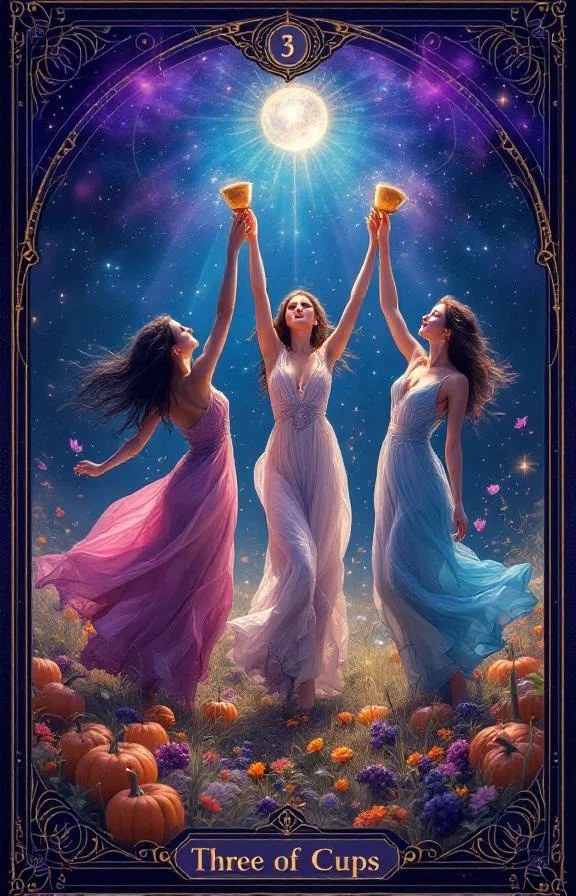
Nimm ein Tarot-Deck in die Hand und du hältst achtundsiebzig Karten, die sich in zwei Gruppen aufteilen — zweiundzwanzig, die schwer wirken, und sechsundfünfzig, die konkret wirken. Diese Aufteilung ist kein Zufall. Sie spiegelt etwas Grundlegendes darüber wider, wie Menschen das Leben erleben: Manche Dinge sind Großbuchstaben-Ereignisse, andere sind einfach ein Dienstagmorgen. Beides zählt. Sich über den Unterschied zwischen Major und Minor Arcana klar zu werden, ist nicht nur Vokabular — es ist der Schlüssel, jede Legeform mit Tiefe statt mit Verwirrung zu lesen.
Kurz gesagt: Die 22 Major-Arcana-Karten stehen für tiefe archetypische Lebensthemen wie Identität, Verwandlung und Freiheit und spiegeln Jungs universelle psychologische Muster wider. Die 56 Minor-Arcana-Karten decken Alltagssituationen in vier Bereichen ab: Gefühle (Kelche), materielles Leben (Pentakel), Denken (Schwerter) und Energie (Stäbe). In einer Lesung signalisieren Major-Karten, dass sich etwas Bedeutendes verschiebt; Minor-Karten sagen dir konkret, wo und wie.
Was „Arcana" wirklich bedeutet
Das Wort Arcana stammt vom lateinischen arcanum, was Geheimnis oder Mysterium bedeutet. Nicht Geheimnis im Klatsch-Sinne, sondern im älteren Sinne — etwas, das gelebte Erfahrung braucht, um wirklich verstanden zu werden. Du kannst Trauer nicht wirklich begreifen, bevor du nicht selbst getrauert hast. Elternsein verstehst du nicht, bevor du die Verantwortung für einen kleinen Menschen trägst, der einfach nicht schlafen will.
Diese Wortgeschichte ist wichtig, weil sie den Ton setzt. Tarot-Karten sagen keine Zukunft voraus. Sie zeigen auf Dinge, die du bereits weißt, aber noch nicht bewusst geordnet hast. Die „Geheimnisse" gehören dir. Die Karten sind das Ablagesystem.
Der Unterschied zwischen Major und Minor Arcana ist eigentlich ein Unterschied zwischen zwei Arten inneren Wissens: den tiefen archetypischen Mustern, die formen, wer du wirst — und den alltäglichen Situationen, in denen diese Muster in praktischer Form auftauchen.
Die 22 Major Arcana: archetypische Lebensthemen
Die Major Arcana enthält zweiundzwanzig Karten, nummeriert von 0 (Der Narr) bis 21 (Die Welt). Jede steht für eine fundamentale menschliche Erfahrung — kein konkretes Ereignis, sondern ein psychologisches Terrain, das jeder Mensch irgendwann durchquert.
Jung verbrachte einen Großteil seiner Karriere damit, das Konzept der Archetypen zu entwickeln — universelle Muster, die über Kulturen, Mythen und individuelle Psychen hinweg auftauchen. Der Schatten (die Anteile, die du an dir ablehnst), Anima/Animus (das innere Gegenstück zur bewussten Geschlechtsidentität), das Selbst (die integrierte Ganzheit, auf die du hinarbeitest). Die Major Arcana bildet diesen Rahmen direkt ab. Die Kaiserin ist der Archetyp nährender Fülle. Der Einsiedler steht für bewusste Einsamkeit und innere Suche. Der Tod ist das notwendige Ende, das der Verwandlung vorausgeht.
Diese Überschneidung ist kein Zufall. Die Major Arcana entwickelte sich über Jahrhunderte europäischer Überlieferung und schöpfte aus denselben mythologischen und psychologischen Quellen, die Jung untersuchte. Es sind parallele Karten desselben Gebiets.
Wenn eine Major-Arcana-Karte in einer Lesung erscheint, signalisiert sie etwas Bedeutsames — nicht unbedingt dramatisch, aber psychologisch gewichtig. Es geht nicht um „was heute auf der Arbeit passiert ist". Es geht um ein grundlegendes Muster: wie du mit Autorität umgehst (Der Kaiser), wie du die Spannung zwischen Freiheit und Bindung handhabst (Die Liebenden), was passiert, wenn die Strukturen, die du aufgebaut hast, dich nicht mehr tragen (Der Turm).
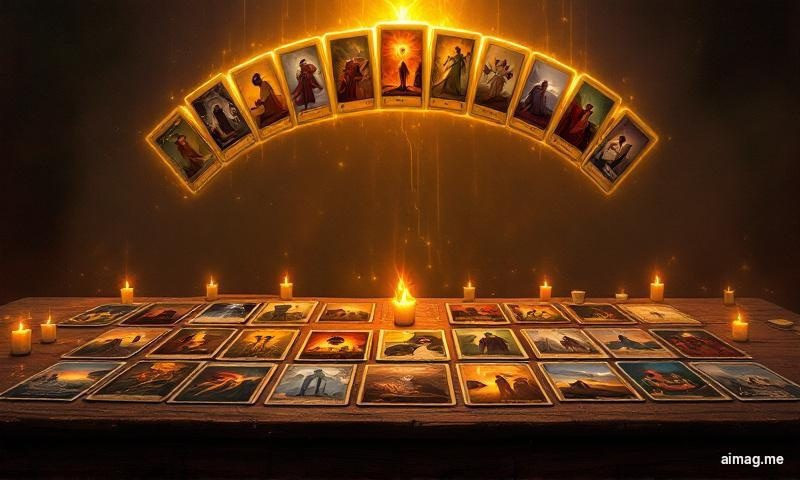
Die Reise des Narren: eine Landkarte des Werdens
Eine der hilfreichsten Weisen, die Major Arcana zu verstehen, ist als Abfolge — was Tarot-Praktizierende die Reise des Narren nennen. Karte 0, Der Narr, beginnt in offenem, ungeformtem Potenzial. Karte 21, Die Welt, kommt bei Integration und Ganzheit an. Alles dazwischen ist der Prozess des Werdens.
Das spiegelt das wider, was Jung Individuation nannte — den lebenslangen Prozess, die verschiedenen Teile der Psyche zu einem stimmigen, authentischen Ganzen zu integrieren. Der Narr beginnt unbewusst. Der Magier entdeckt den persönlichen Willen. Die Hohepriesterin begegnet dem Unbewussten. Das Rad des Schicksals lehrt, dass sich nicht alles kontrollieren lässt. Der Turm zeigt, dass manche Strukturen fallen müssen. Der Stern offenbart, wie man nach einer Verwüstung wieder hoffen kann.
Du durchläufst diese Abfolge nicht nur einmal. Du kreist immer wieder durch sie hindurch, auf verschiedenen Tiefen, in verschiedenen Lebensbereichen. Vielleicht bist du in deiner Karriere gerade in der Phase des Einsiedlers (brauchst Rückzug und Reflexion), während du gleichzeitig in deiner Beziehung bei den Liebenden bist (stehst vor einer echten Entscheidung über Bindung). Die Major Arcana ist keine Linie. Sie ist eine Spirale.
Die Entwicklungspsychologie hat Ähnliches vorgeschlagen — dass Menschen durch klar unterscheidbare Phasen gehen, jede mit einem zentralen Konflikt, der gelöst werden muss, bevor echtes Wachstum möglich ist. Urvertrauen versus Misstrauen. Autonomie versus Scham. Identität versus Rollenkonfusion. Die Major Arcana bietet eine parallele Karte in symbolischen Bildern statt klinischer Sprache — mit dem Vorteil, nicht-linear zu sein. Du kannst jede Phase erneut aufsuchen, wenn das Leben es verlangt.
Die 56 Minor Arcana: die Textur des Alltags
Wenn die Major Arcana davon handelt, wer du wirst, dann geht es bei der Minor Arcana darum, was du an irgendeinem Mittwoch tust. Diese sechsundfünfzig Karten teilen sich in vier Farben — Kelche, Pentakel, Schwerter und Stäbe — jede deckt einen anderen Bereich des Alltags ab.
Kelche befassen sich mit Gefühlen, Beziehungen, Liebe, Intuition und der inneren emotionalen Welt. Wenn Kelche in einer Lesung dominieren, dreht sich die Situation im Kern um das Erleben — auch wenn du glaubst, es gehe um etwas anderes.
Pentakel befassen sich mit materieller Realität — Geld, Beruf, Gesundheit, physisches Umfeld, praktische Belange. Pentakel erden die Lesung in greifbaren Ergebnissen und alltagspraktischer Logistik.
Schwerter befassen sich mit dem Geist — Gedanken, Überzeugungen, Kommunikation, Konflikte, Entscheidungsfindung. Schwerter zeigen deine mentalen Muster, einschließlich jener, die dich eher verletzen als die Verwirrung durchschneiden.
Stäbe befassen sich mit Energie, Leidenschaft, Kreativität, Ehrgeiz und Antrieb. Stäbe zeigen, was dich motiviert, was dich begeistert — und was dein Feuer auslöscht.
Jede Farbe läuft vom Ass (reines Potenzial in diesem Bereich) durch die Zehn (der vollständigste Ausdruck dieser Energie), plus vier Hofkarten — Page, Ritter, Königin und König — die verschiedene Reifestufen oder Persönlichkeitsaspekte innerhalb jedes Bereichs darstellen.
Die Minor Arcana ist der Ort, an dem Lesungen konkret werden. Eine Major-Arcana-Karte kann dir sagen, dass du dich in einer Phase fundamentaler Verwandlung befindest. Die Minor-Karten darum herum sagen dir wie — durch eine emotionale Abrechnung (Kelche), eine finanzielle Verschiebung (Pentakel), ein Umdenken (Schwerter) oder eine neue kreative Richtung (Stäbe).
Wie sie in einer Lesung zusammenwirken
Hier wird der Unterschied praktisch. Wenn du eine Legeform ausbreitest und die Karten betrachtest, sagt dir das Verhältnis von Major zu Minor etwas Wichtiges über die Art deiner Situation, noch bevor du einzelne Bedeutungen liest.
Eine Lesung, die größtenteils aus Major Arcana besteht, bedeutet, dass du es mit großen, archetypischen Kräften zu tun hast. Das ist keine kleine Justierung. Etwas Grundlegendes verschiebt sich — deine Identität, deine Kernwerte, dein Verhältnis zu Macht, Freiheit, Tod oder Liebe. Solche Lesungen fühlen sich schwer an — und das ist angemessen. Sie zeigen auf die Tiefenstruktur deines Lebens, nicht auf oberflächliche Details.
Eine Lesung, die größtenteils aus Minor Arcana besteht, bedeutet, dass die Situation praktisch und handhabbar ist und sich um alltägliche Entscheidungen statt existenzielle Verschiebungen dreht. Das ist nicht weniger wichtig — es ist anders. Die Minor Arcana sagt dir, dass du hier Handlungsmacht hast, dass die Werkzeuge, die du brauchst, gewöhnliche sind: ein Gespräch, eine Budgetanpassung, eine Grenze, ein kreatives Projekt. Du wirst nicht von archetypischen Strömungen mitgerissen. Du navigierst normales Leben mit normalen Mitteln.
Eine Lesung, die beides mischt — das häufigste Ergebnis — zeigt, wie sich die großen Themen in konkreten Situationen äußern. Du könntest den Tod (Major) neben dem Drei der Pentakel (Minor) ziehen. Das sagt dir: Ein fundamentales Ende oder eine Verwandlung (Tod) spielt sich durch deine Arbeitsbeziehungen oder gemeinsamen Projekte aus (Drei der Pentakel). Die Major-Karte gibt dir das Thema. Die Minor-Karten geben dir den Schauplatz.
Was es bedeutet, wenn Major-Arcana-Karten immer wieder erscheinen
Wer regelmäßig legt und bemerkt, dass unverhältnismäßig viele Major-Arcana-Karten auftauchen, sollte aufhorchen. Dieses Muster sagt dir, dass du dich in einer Phase bedeutender psychologischer Entwicklung befindest — dass die Ereignisse in deinem Leben gerade nicht nur Ereignisse sind, sondern mit tieferen Mustern des Wachstums, der Krise oder der Verwandlung zusammenhängen.
Kein Grund zur Sorge. Individuation — immer vollständiger man selbst zu werden — ist die zentrale Aufgabe der zweiten Lebenshälfte, und sie bringt von Natur aus Begegnungen mit archetypischen Kräften mit sich. Aber es bedeutet, dass der übliche Rat („tu einfach X") möglicherweise nicht reicht. Wenn Major-Karten dominieren, fordert die Situation Wachstum — nicht nur Bewältigung.
Umgekehrt sind Lesungen, die sich durchgängig im Minor-Arcana-Bereich halten, kein Zeichen dafür, dass das Leben „langweilig" oder spirituell flach ist. Sie bedeuten, dass du dich in einer praktischen Phase befindest — umsetzend, aufbauend, in Beziehungen lebend, verwaltend. Diese Phasen sind notwendig. Nicht jeder Monat muss ein Major-Arcana-Drama sein. Manchmal ist die wichtigste Arbeit, der Routine zu erscheinen und sie gut zu bewältigen.
Häufige Missverständnisse
„Major-Arcana-Karten sind gut, Minor-Arcana-Karten sind schlecht." Nein. Beide Gruppen enthalten das volle Spektrum. Die Sonne (Major) strahlt, aber der Turm (Major) ist verheerend. Das Ass der Kelche (Minor) ist wunderschön, aber die Zehn der Schwerter (Minor) ist brutal. Major bedeutet nicht positiv. Es bedeutet bedeutsam.
„Minor-Arcana-Karten zählen weniger." Sie zählen anders. Wenn die Major Arcana sagt, dass du einen Tod-und-Wiedergeburt-Prozess durchmachst, sagt dir die Minor Arcana, ob dieser Prozess sich in deinen Finanzen abspielt (Pentakel), in deinen Gefühlen (Kelche), deinen Überzeugungen (Schwerter) oder deinem kreativen Leben (Stäbe). Ohne Minor-Karten würdest du wissen, dass etwas Großes passiert — aber keine Ahnung haben, wo du schauen sollst.
„Man kann die Minor Arcana weglassen und nur mit der Major lesen." Technisch ja. Manche Legenden tun das für schnelle thematische Lesungen. Aber du verlierst alle Spezifität. Das ist wie eine Landkarte, die Länder zeigt, aber keine Städte. Du weißt, dass du in Frankreich bist — aber nicht, ob du in Paris oder in einem Weinberg in der Provence bist.
Praktische Übung: Sortieren und Sehen
Wenn du ein Deck besitzt, probiere das: Trenne alle achtundsiebzig Karten in zwei Stapel: Major und Minor. Breite die Major Arcana in Reihenfolge von 0 bis 21 aus. Beobachte die Abfolge. Beachte, wie die unschuldige Offenheit des Narren dem fokussierten Willen des Magiers weicht, dann der aufnehmenden Weisheit der Hohepriesterin — und so weiter bis zur Integration der Welt. Das ist die Geschichte eines Lebens — oder einer einzigen Verwandlung darin.
Schau dir nun die Minor Arcana an. Sortiere sie nach Farbe. Jede Farbe erzählt ihre eigene Minigeschichte vom Ass bis zur Zehn. Die Kelche bewegen sich vom überströmenden Potenzial des Asses durch die emotionalen Verwicklungen der Fünf und Sechs bis zur tiefen Befriedigung der Neun und der geteilten Freude der Zehn. Die Schwerter bewegen sich von der gedanklichen Klarheit des Asses durch die qual der Zwei und Drei bis zum Zusammenbruch der Zehn. Jede Farbe ist ein vollständiger Bogen.
Für einen umfassenden Leitfaden zum gemeinsamen Lesen all dieser Karten in der Praxis, sieh dir unseren Einsteigerleitfaden zum Tarot-Lesen an.
Warum beide gleich wichtig sind
Maslows Bedürfnishierarchie (1943) bietet eine nützliche Parallele. Die Basis — Nahrung, Unterkunft, Sicherheit — entspricht in etwa der Minor Arcana: praktisch, wesentlich, alltäglich. Die Spitze — Selbstverwirklichung — entspricht der Major Arcana: dem Drang, ganz man selbst zu werden. Aber Maslow revidierte sein Modell schließlich selbst, um zu zeigen, dass diese Ebenen nicht streng aufeinander folgen. Man hört nicht auf zu essen, bevor man beginnt, nach Sinn zu suchen. Beides wirkt gleichzeitig.
Tarot funktioniert genauso. Die Minor Arcana ist keine niedrigere Form der Major. Sie sind zwei Linsen auf dasselbe Leben. Eine gründliche Lesung nutzt beide. Ein gründliches Leben lebt in beiden. Die Frage ist nie „Welche Arcana zählt mehr?" — sondern: „Was fordert dieser Moment von mir: eine tiefe Auseinandersetzung oder eine praktische Anpassung?" Meist lautet die Antwort: etwas von beidem.
Häufig gestellte Fragen
Was bedeutet es, wenn ich nur Major-Arcana-Karten ziehe?
Es sagt dir, dass du dich in einer Phase intensiver psychologischer oder lebensphasenbedingter Entwicklung befindest. Major-Arcana-Karten zeigen auf archetypische Themen statt auf den Alltag. Wenn jede Karte in deiner Legeform Major ist, sagt die Lesung, dass die Situation grundlegende Aspekte davon berührt, wer du bist — nicht nur, was du tun solltest. Nicht von Natur aus gut oder schlecht, aber die Situation trägt erhebliches Gewicht.
Kann ich eine Lesung nur mit der Major Arcana machen?
Ja, und manche Legenden bevorzugen das für schnelle thematische Lesungen. Eine reine Major-Lesung gibt dir grobe Züge — die zentralen psychologischen Dynamiken. Aber du verlierst die Spezifität, die die Minor Arcana bietet. Denk daran wie eine Diagnose ohne Behandlungsplan. Für die meisten Fragen gibt ein vollständiges Deck mit achtundsiebzig Karten reichere, umsetzbarere Einblicke.
Gehören Hofkarten (Page, Ritter, Königin, König) zur Minor Arcana?
Ja. Jede der vier Farben hat vier Hofkarten, also sechzehn insgesamt innerhalb der sechsundfünfzig Minor Arcana. Hofkarten stehen oft für Menschen in deinem Leben, Aspekte deiner eigenen Persönlichkeit oder Reifestufen im Umgang mit einem bestimmten Bereich. Ein Page der Kelche könnte jemand sein, der noch neu in emotionaler Offenheit ist; ein König der Pentakel jemand, der praktische, materielle Stabilität gemeistert hat.
Warum gibt es genau 22 Major-Arcana-Karten?
Die Zahl 22 hat in verschiedenen esoterischen Traditionen Bedeutung — sie entspricht den zweiundzwanzig Buchstaben des hebräischen Alphabets, die die kabbalistische Tradition mit Pfaden auf dem Lebensbaum verbindet. Aus psychologischer Perspektive ist die Zahl jedoch weniger wichtig als die Abdeckung: Die zweiundzwanzig Karten umspannen das gesamte Spektrum grundlegender menschlicher Erfahrungen, vom unschuldigen Beginn (Der Narr) bis zur integrierten Vollendung (Die Welt), mit jeder wichtigen psychologischen Herausforderung dazwischen.
Probiere eine kostenlose KI-gestützte Lesung auf aimag.me/reading