When the King of Pentacles appears as feelings, someone is experiencing the settled, substantial confidence of a person who has achieved material mastery and now turns that same capability toward love. This is the feeling of having built something real in the world — wealth, security, stability — and wanting to extend that structure to include someone else. The King of Pentacles does not fall in love recklessly. He invests in love the way he invests in everything: thoroughly, strategically, and with the expectation of lasting returns.
In short: The King of Pentacles as feelings reflects the emotional psychology of stewardship — the belief that abundance is not for hoarding but for responsible management and sharing. Researchers Michael Norton and Elizabeth Dunn, whose work on "happy money" demonstrated that spending on others produces more lasting satisfaction than spending on oneself, would recognize this card's emotional logic. Upright, it signals protective generosity and quiet authority. Reversed, it warns of greed, workaholism, or valuing possessions over people.
The emotional core of the King of Pentacles
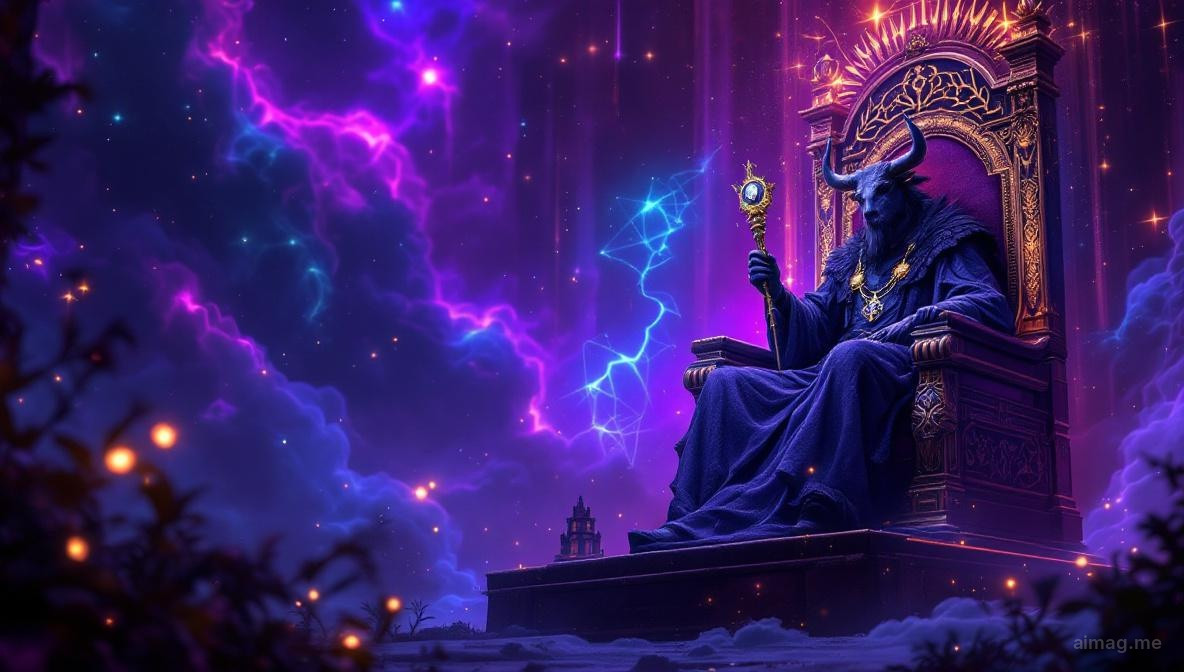
The traditional image shows a king seated on a throne decorated with bulls — symbols of material power and patience. His castle is visible behind him, his gardens are in bloom, and he holds a single pentacle with the easy confidence of someone who has many more where that one came from. As a feeling, this card represents the emotional state of earned security: the knowledge that you have enough, that you can protect what you love, and that your abundance is available to share.
Tómate un momento para reflexionar sobre lo que has leído. ¿Qué resuena con tu situación actual?
Norton and Dunn's research, published in their book Happy Money: The Science of Happier Spending, demonstrated a counterintuitive finding: people who spend money on others report greater happiness than those who spend on themselves, even controlling for income level. The King of Pentacles embodies this principle as an emotional state. His pleasure comes not from accumulation but from provision — the deep satisfaction of being able to say, "I have built this, and it is yours."
Stewardship theory in organizational psychology describes leaders who manage resources not as personal possessions but as assets held in trust for others. The King of Pentacles approaches his emotional life with this stewardship orientation. His feelings are not possessive in the acquisitive sense. They are possessive in the protective sense: "I will guard this. I will maintain this. I will ensure this lasts."
This emotional stance requires a foundation of self-confidence that goes beyond ego. The King of Pentacles has proven himself through years of effort, and that proof gives his feelings a weight that newer, less tested emotions cannot match.
King of Pentacles upright as feelings
When this card appears upright as someone's feelings, they are experiencing the desire to provide for you in the most comprehensive sense. This is not merely financial provision — though it includes that. It is the feeling of wanting to create an entire infrastructure of security around someone: physical safety, material comfort, social stability, and the unshakeable knowledge that they will be taken care of.
The dominant emotional experience is protective abundance. The person feels wealthy — in resources, in capability, in the certainty of who they are — and they want to extend that wealth to you. They show love by solving problems, eliminating obstacles, and building structures that make your life easier.
In relationships, the King of Pentacles upright often represents someone who expresses deep feeling through material generosity and practical support. They may not write poetry or make grand romantic declarations. Instead, they pay for the meal without fanfare, handle the logistics of a shared trip, research the best option before making a purchase for your home. These practical acts carry the same emotional weight as more traditionally romantic gestures — they just speak a different language.
Imagine a business owner who has spent twenty years building a company. When they fall in love, they bring the same qualities to the relationship: strategic thinking, long-term vision, reliability under pressure, and the conviction that anything worth having is worth working for systematically. They do not panic during relationship difficulties. They assess, plan, and execute — because that is how they have succeeded at everything else.
In self-reflection, drawing this card suggests you are in a period of emotional maturity and material confidence. You have resources — tangible and intangible — and you feel ready to share them from a place of strength rather than need.
King of Pentacles reversed as feelings
Reversed, the King of Pentacles reveals the shadow of material mastery: the point where wealth becomes the purpose rather than the tool, where providing becomes controlling, and where the person's identity is so thoroughly fused with their material success that they lose access to emotional vulnerability.
One manifestation is emotional unavailability masked by financial generosity. The person gives expensive gifts, pays for everything, and provides material comfort — but withholds the one thing their partner actually needs: genuine emotional presence. They substitute money for intimacy, and the relationship becomes a transaction where both parties are unhappy but well-funded.
Norton and Dunn's research has a shadow side too: when giving is motivated by the desire to impress, obligate, or control, the happiness effect disappears. The reversed King of Pentacles gives not from generosity but from the need to demonstrate superiority or create dependency. The feeling underneath is not warmth but anxiety: "If I stop providing, will anyone still want me?"
Another manifestation is workaholism that starves the relationship. The person's drive to build, earn, and achieve consumes all available energy, leaving nothing for emotional life. They justify their absence with the logic of provision: "I work this hard for us." But "us" has become an abstraction — a lifestyle to be funded rather than a relationship to be lived.
In relationships, the reversed King often appears when material success and emotional intimacy have become inversely correlated. The more the person achieves externally, the more disconnected they become internally. Their partner lives in a beautiful house with a partner who is never home.
In love and relationships
In romantic readings, the King of Pentacles upright is one of the strongest indicators of a partner who will provide lasting stability. This person does not offer excitement — they offer something rarer: the security to build a life on.
Upright, this card indicates someone who feels toward you with the gravity of a person who understands what real commitment requires. They have seen relationships fail around them and have no interest in repeating those patterns. Their love is informed by experience, grounded in reality, and expressed through the creation of a shared life that is materially and emotionally secure.
Psychologist Abraham Maslow noted that self-actualization — the highest level of human development — becomes possible only when lower-level needs (safety, belonging, esteem) are consistently met. The King of Pentacles offers to meet those lower-level needs so thoroughly that both partners can focus on growth, creativity, and meaning. This is his deepest gift: not money, but the freedom that security provides.
Reversed in love, the card warns that material provision has replaced emotional connection. The relationship may be financially comfortable but emotionally bankrupt, with one partner working too much and the other feeling wealthy and lonely.
When you draw the King of Pentacles as feelings in a reading
If this card appears in your reading, ask yourself: is your security enabling connection, or replacing it? The King of Pentacles honors the work of building material stability, but only when that stability serves love rather than substituting for it.
Consider these questions: Am I confusing provision with presence? Do I allow myself to be vulnerable, or do I hide behind what I can offer? Is my partner valued for who they are, or for how they fit into the life I have built?
The King of Pentacles reminds you that the greatest wealth is not what you accumulate but what you share — and that the most valuable thing you can share is not your resources but yourself.
Explore what this card reflects in your emotional life with a free reading.
Frequently asked questions
What does the King of Pentacles mean as feelings for someone?
It means someone feels a strong, protective, providing kind of love toward you. They see you as someone worth investing in long-term and want to share their stability and resources. Their interest is serious, mature, and oriented toward building a lasting partnership.
Is the King of Pentacles a positive card for feelings?
Upright, strongly positive. It represents mature, stable devotion and the desire to provide lasting security for someone you love. Reversed, it warns of workaholism, emotional unavailability, or using material generosity as a substitute for genuine intimacy.
How does the King of Pentacles reversed differ as feelings?
Reversed, the protective abundance becomes either controlling or absent. The person may use financial provision to maintain power, or may be so consumed by work and achievement that they have little emotional energy left for the relationship.
Explore the full guide to all 78 cards as feelings or discover the King of Pentacles' complete meaning. Ready to explore what the cards reflect about your emotions? Try a free reading.