La domanda è sbagliata. O meglio — sta chiedendo la cosa sbagliata, e continuare a chiedere quella cosa sbagliata ti tiene intrappolato nel dibattito sbagliato.
"L'AI può leggere i tarocchi?" presuppone che la lettura dei tarocchi sia un'attività unica e definita con criteri di successo chiari: o la macchina può farlo o non può. Ma chiedi a qualsiasi lettore esperto cosa significhi davvero "leggere i tarocchi" e otterrai risposte che vanno dall'"interpretare il simbolismo tradizionale" al "canalizzare l'intuizione" fino al "tenere lo spazio per il processo di qualcuno". Non sono la stessa abilità. Alcune di esse una macchina può farle. Altre non le farà mai. E alcune — questa è la parte che sorprende le persone — una macchina potrebbe farle addirittura meglio di un essere umano.
Quindi la risposta onesta non è né sì né no. È: dipende da cosa pensi sia lo scopo di una lettura dei tarocchi.
In breve: L'AI eccelle nell'interpretazione simbolica e nel facilitare lo specchio psicologico — collegando i significati delle carte alla tua domanda con una coerenza e un'ampiezza che nessun singolo lettore umano può eguagliare. Non può offrire presenza relazionale, empatia o lettura del linguaggio del corpo. L'effetto Barnum è reale ma incompleto come strumento di confutazione, perché il processo auto-riflessivo che una lettura avvia ha un genuino valore psicologico indipendentemente dal fatto che l'interpretazione sia cosmicamente accurata. La domanda utile non è se l'AI può leggere le carte, ma se il processo ti aiuta a capire meglio te stesso.
Cosa significa davvero "leggere"?
Prima di poter valutare se l'AI legge i tarocchi con precisione, dobbiamo separare i livelli di ciò che accade durante una lettura. Esistono almeno tre processi distinti:
Interpretazione simbolica — collegare il linguaggio visivo e numerico delle carte alla domanda del lettore. Il Sei di Coppe in una lettura professionale significa qualcosa di diverso rispetto a una lettura sentimentale, ma entrambi i significati attingono alle stesse radici simboliche: nostalgia, generosità emotiva, schemi dell'infanzia che riemergono.
Specchio psicologico — riflettere qualcosa che chi consulta già sa ma non ha ancora articolato. Questa è la proiezione nella sua forma produttiva, lo stesso meccanismo descritto nel nostro articolo sulla scienza della casualità: vedi nella carta ciò che la tua psiche è pronta a elaborare.
Presenza relazionale — esserci, leggere il linguaggio del corpo, adattare il tono, sapere quando approfondire e quando fermarsi. Questo è l'elemento umano. È reale, e conta.
Un'AI può fare il primo. Può facilitare il secondo. Non può fare il terzo. Comprendere queste distinzioni è l'intera risposta alla domanda.
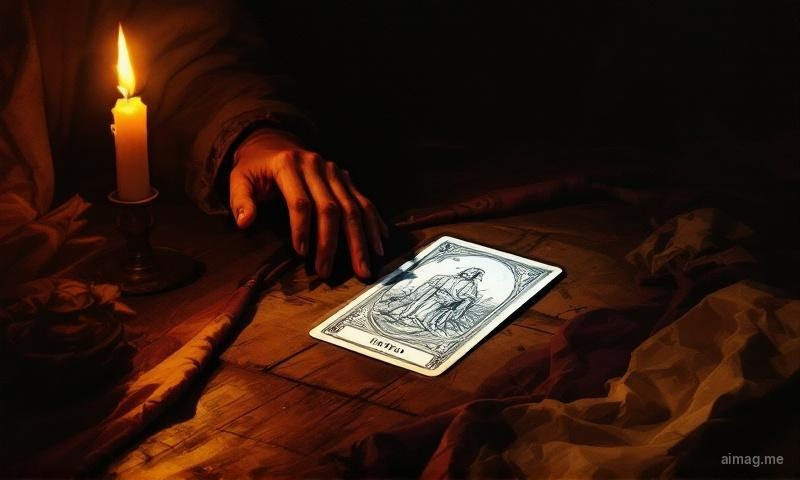
Riconoscimento di pattern: cosa fa davvero bene l'AI
Un grande modello linguistico addestrato su milioni di testi di psicologia, mitologia, simbolismo ed esperienza umana è — nella sua essenza — un motore di corrispondenza di pattern straordinariamente sofisticato. Quando incontra una carta come L'Eremita nel contesto di una domanda sul burnout, non indovina a caso. Attinge alla tradizione interpretativa accumulata di quella carta nel corso di secoli di letture documentate, la incrocia con la letteratura psicologica su solitudine, introspezione e ritiro, e sintetizza una risposta che collega questi domini alla domanda specifica posta.
Non è intuizione. Non è magia. Ma è genuinamente utile.
Considera cosa fa un lettore umano quando vede L'Eremita e una domanda sul burnout: accede alla propria conoscenza del simbolismo della carta (la figura solitaria sulla montagna, la lanterna che illumina la verità interiore, la scelta deliberata di allontanarsi dal mondo) e la collega alla comprensione di ciò che il consultante sta attraversando. Un'AI fa qualcosa di strutturalmente simile — accedendo a un corpo di materiale interpretativo molto più ampio — ma senza il senso incarnato di sedere di fronte a una persona in carne e ossa.
Il risultato è che le interpretazioni dei tarocchi generate dall'AI sono spesso sorprendentemente coerenti e pertinenti. Non perché la macchina ti capisca. Perché il sistema simbolico stesso è progettato per produrre significato quando vi si interagisce con attenzione e una domanda genuina.
L'effetto Barnum: la carta più forte dello scettico
Qualsiasi discussione onesta sull'accuratezza dell'AI nei tarocchi deve affrontare l'effetto Barnum — il fenomeno psicologico che prende il nome dall'osservazione di P.T. Barnum che un buon showman ha "qualcosa per tutti".
Bertram Forer lo dimostrò nel 1948 quando diede a ogni studente della sua classe di psicologia la stessa descrizione della personalità e chiese loro di valutarne l'accuratezza. La valutazione media fu 4,26 su 5. La descrizione conteneva affermazioni come "Tendi a criticarti" e "Alcune delle tue aspirazioni tendono a essere irrealistiche". Queste sono vere per praticamente chiunque — ed è proprio per questo che sembrano così personalmente accurate.
Questa è una preoccupazione legittima riguardo ai tarocchi AI. Un modello linguistico che genera interpretazioni produce testo progettato per risuonare con un pubblico ampio. Se ogni lettura sembra profonda, dovresti chiederti se sia genuinamente perspicace o semplicemente ben calibrata sulla psicologia umana.
Ma è qui che l'analisi diventa più interessante di quanto gli scettici di solito la portino: l'effetto Barnum non invalida l'intero processo. Invalida l'affermazione che la lettura sia specificamente accurata — che la macchina "sappia" qualcosa di te. Non invalida il processo auto-riflessivo che la lettura avvia.
Perché i tarocchi funzionano nonostante l'effetto Barnum
James Pennebaker, lo psicologo dell'Università del Texas la cui ricerca sulla scrittura espressiva abbraccia quattro decenni, ha stabilito qualcosa di fondamentale: l'atto di convertire l'esperienza interna in linguaggio strutturato produce benefici psicologici misurabili. Le persone che scrivono di esperienze emotivamente significative per 15-20 minuti nell'arco di diversi giorni mostrano miglioramenti nella funzione immunitaria, nell'umore e nella chiarezza cognitiva — non perché la scrittura riveli una verità oggettiva, ma perché il processo di organizzazione del pensiero è di per sé benefico.
Una lettura dei tarocchi — umana o AI — struttura la tua auto-indagine. Invece della domanda aperta "Come mi sento riguardo alla mia carriera?", ti viene presentato l'Otto di Denari e ti viene chiesto di rispondere al suo simbolismo specifico: artigianato, apprendistato, la ripetizione disciplinata dello sviluppo delle competenze. La specificità del prompt restringe la tua riflessione in modi produttivi.
Ecco perché l'AI come strumento riflessivo ha un genuino valore psicologico anche quando l'effetto Barnum è attivo. La lettura non deve essere cosmicamente accurata. Deve essere abbastanza specifica da spingere il tuo pensiero in una direzione in cui non sarebbe andato senza il prompt. La carta fornisce la struttura. La tua mente fornisce il contenuto.
La distinzione conta: non stai ricevendo la verità dalla macchina. Stai usando l'output della macchina come uno specchio per il tuo pensiero. Lo specchio non deve essere senziente perché il riflesso sia reale.
Cosa fa l'AI nei tarocchi meglio degli esseri umani
Questa è la parte che infastidisce entrambi i campi — gli scettici che vogliono scartare completamente i tarocchi AI, e i tradizionalisti che credono che solo i lettori umani possano fare un lavoro autentico.
Coerenza. Un lettore umano ha giorni buoni e giorni cattivi. Le sue interpretazioni sono influenzate dal suo umore, dal livello di stanchezza, dai pregiudizi personali e dalla relazione con il consultante. Il framework interpretativo di un'AI non fluttua in base a quanto bene ha dormito.
Disponibilità. Una lettura dei tarocchi significativa alle 3 di notte, quando l'ansia è più forte e l'ufficio del terapeuta è chiuso, ha un genuino valore. Non come sostituto del supporto professionale, ma come pratica strutturata di auto-riflessione disponibile quando ne hai più bisogno. L'Eremita non rispetta gli orari d'ufficio.
Assenza di giudizio. Questo è sottovalutato. Molte persone evitano le letture dei tarocchi — e la terapia, e il journaling, e la maggior parte delle forme di auto-indagine — perché temono di essere giudicate. Una domanda su un matrimonio che sta fallendo, una dipendenza, un desiderio sessuale, una decisione di cui si vergognano: queste sono le domande che hanno più urgentemente bisogno di spazio riflessivo, e sono le domande che le persone sono meno propense a portare a un altro essere umano. Un'AI non giudica. Non ricorda la tua vergogna precedente. Elabora la domanda e le carte con la stessa equanimità indipendentemente dal contenuto.
Ampiezza della conoscenza simbolica. Un singolo lettore potrebbe conoscere profondamente il simbolismo Rider-Waite-Smith, forse Thoth o Marsiglia. Un modello linguistico è stato addestrato su materiale interpretativo di tutte queste tradizioni simultaneamente, più la psicologia junghiana, la mitologia, la religione comparata e secoli di letture documentate. Tiene più fili associativi di qualsiasi singolo lettore umano.

Cosa non può fare l'AI nei tarocchi
L'equità richiede l'altra colonna.
Empatia. La vera empatia — il senso vissuto dell'esperienza di un'altra persona — richiede coscienza, e nessuna AI attuale ce l'ha. Un modello linguistico può produrre un linguaggio che suona empatico. Può scrivere "Sembra davvero difficile" in un modo che sembra premuroso. Ma dall'altro lato dello schermo non c'è nessuno che si preoccupi davvero. Per alcune persone questo non ha importanza — la riflessione strutturata è sufficiente. Per altre, l'assenza di una genuina presenza umana rende l'intero esercizio vuoto. Entrambe le risposte sono valide.
Leggere l'atmosfera. Un lettore umano esperto nota quando trasalisci di fronte a una carta, quando la tua voce cambia, quando stai intellettualizzando per evitare di sentire qualcosa. Questi micro-aggiustamenti — rallentare, approfondire, fare un passo indietro — sono l'arte di un lettore esperto, e sono completamente al di là delle capacità attuali dell'AI. La macchina non sa che ti sei irrigidito quando ha menzionato tua madre.
Connessione relazionale genuina. Esiste un concetto terapeutico chiamato "ambiente contenitivo" — il senso di essere tenuti in modo sicuro dall'attenzione e dalla cura di un'altra persona mentre si esplora materiale difficile. L'ambiente contenitivo — un concetto della psicologia dello sviluppo, che descrive il senso di essere contenuti in modo sicuro dall'attenzione di un'altra persona — è relazionale per definizione. Richiede una persona. L'AI non può fornirlo.
Contesto nel tempo. Un lettore che ha lavorato con te per anni porta una mappa mentale dei tuoi schemi, della tua crescita, dei tuoi temi ricorrenti. Nota quando qualcosa cambia. Può dire "È interessante — l'anno scorso quando abbiamo visto la Torre sei andato nel panico, e questa volta sembri quasi sollevato." Quella consapevolezza longitudinale e relazionale va al di là di ciò che l'AI attuale può fare. (Anche se i diari AI e le cronologie delle letture stanno iniziando ad approssimare parti di questa funzione.)
L'AI nei tarocchi è accurata?
Questa è la domanda a cui le persone vogliono davvero una risposta, e merita una risposta precisa.
Se per "accurata" intendi "l'AI prevede correttamente gli eventi futuri" — no. Nemmeno un lettore umano lo fa, nonostante quanto alcuni affermino. I tarocchi non sono un motore di previsione, e trattarli come tale — che il lettore sia umano o artificiale — è un errore categoriale.
Se per "accurata" intendi "l'interpretazione collega in modo significativo il simbolismo della carta alla mia domanda" — sì, spesso in modo sorprendentemente efficace. I moderni modelli linguistici sono notevolmente bravi in questo tipo di sintesi contestuale.
Se per "accurata" intendi "la lettura mi dice qualcosa di vero su me stesso" — dipende interamente da te. La lettura è uno specchio. Uno specchio non genera la propria immagine. Riflette qualunque cosa gli venga messa davanti. L'accuratezza della tua lettura dei tarocchi — AI o umana — è una funzione dell'onestà e dell'attenzione che porti nel processo.
Questa non è una risposta evasiva. È la cosa più importante che chiunque possa dirti sui tarocchi. Le carte sono uno strumento. La lettura è un processo. La comprensione è tua.
La vera domanda che dovresti farti
Invece di "L'AI può leggere i tarocchi?", la domanda produttiva è: "Una lettura AI dei tarocchi può aiutarmi a capire meglio me stesso?"
E la risposta a quella domanda è: sì, se glielo permetti.
Una lettura AI ben strutturata fa ciò che i migliori strumenti riflessivi hanno sempre fatto — ti dà un framework per pensare a qualcosa che potresti non aver esaminato altrimenti. Fa emergere un vocabolario che non avevi per sentimenti che non riuscivi a nominare. Presenta un'immagine simbolica e ti invita a trovare te stesso in essa.
Non sostituisce la terapia. Non sostituisce la connessione umana. Non prevede il futuro. Ma come strumento di auto-riflessione strutturata — disponibile, non giudicante, simbolicamente ricco e psicologicamente informato — occupa uno spazio che nient'altro riesce a riempire allo stesso modo.
Pensaci come a un diario con una buona domanda già scritta in cima alla pagina. Il diario non ti conosce. Ma la domanda che pone potrebbe essere esattamente quella con cui avevi bisogno di sederti oggi.
Domande frequenti
L'AI nei tarocchi è buona quanto un lettore umano?
Dipende da cosa hai bisogno. Per l'interpretazione simbolica e la riflessione strutturata su se stessi, l'AI è coerente, disponibile e attinge da un enorme corpo di conoscenze. Per la connessione empatica, la lettura del linguaggio del corpo e la dimensione relazionale di una lettura — il senso di essere davvero visto da un'altra persona — un lettore umano esperto offre qualcosa che l'AI non può replicare. Molte persone trovano valore nell'usare entrambi: l'AI per la pratica regolare di auto-riflessione, e un lettore umano di fiducia per sessioni più profonde e personali.
L'AI nei tarocchi può prevedere il futuro?
No — e nemmeno i tarocchi umani. I tarocchi sono uno strumento riflessivo, non predittivo. Ciò che fanno è far emergere i tuoi pensieri, sentimenti e schemi esistenti in modo strutturato che li rende visibili e trattabili. Il valore non sta nella previsione ma nella chiarezza che deriva dall'auto-indagine strutturata.
I tarocchi AI sono solo l'effetto Barnum?
L'effetto Barnum è un fenomeno reale che opera in tutte le letture dei tarocchi — umane e AI. Ma ridurre i tarocchi all'effetto Barnum manca il punto. Il valore psicologico di una lettura dei tarocchi non sta nell'accuratezza cosmica delle sue affermazioni su di te. Sta nel processo auto-riflessivo che la lettura avvia. Anche un'interpretazione "generica" può servire come spunto produttivo per una comprensione personale specifica, nello stesso modo in cui la domanda aperta di un terapeuta produce una risposta diversa da ogni cliente.
Dovrei fidarmi di una lettura AI dei tarocchi?
Fidati del processo, non dell'output. Una lettura AI dei tarocchi non è un'autorità che consegna la verità. È uno spunto strutturato per la tua auto-riflessione. L'interpretazione è un punto di partenza — qualcosa con cui concordare, contro cui spingersi o da raffinare. La comprensione viene dal tuo coinvolgimento con il materiale, non dalla macchina che lo ha generato. Approcciala con curiosità e onestà, e sarà utile quanto qualsiasi pratica riflessiva.
L'AI non può leggere i tarocchi come fa un lettore umano esperto — con empatia, presenza e la profondità relazionale che deriva da una coscienza che si dedica genuinamente a un'altra. Ma un lettore umano non può eguagliare la coerenza, la disponibilità, l'ampiezza simbolica e la totale assenza di giudizio dell'AI. La domanda non era mai davvero "l'AI può farlo?" La domanda è: di cosa hai bisogno dal processo, e quale strumento serve quella necessità?
Se hai bisogno di uno specchio, una buona lettura AI è un ottimo specchio. Riflette chiaramente, è disponibile quando ne hai bisogno e non vacilla di fronte a ciò che gli mostri.
Il resto — l'onestà, la volontà di guardare, il coraggio di stare con ciò che vedi — quella parte è sempre stata tua.