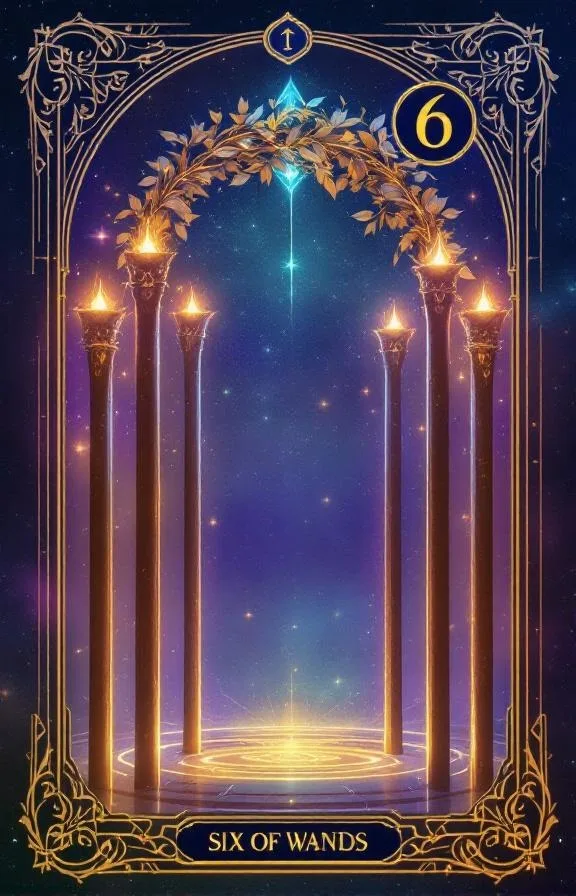
Il tarot è un sistema di 78 carte illustrate che le persone usano per esaminare i propri pensieri, sentimenti e decisioni attraverso immagini simboliche. Non è divinazione, non è magia e non richiede di credere in nulla di soprannaturale. Ciò che richiede è la volontà di prestare attenzione alle proprie reazioni — il che si rivela più utile di quanto la maggior parte delle persone si aspetti.
In breve: Il tarot è un sistema simbolico di 78 carte diviso in 22 Arcani Maggiori (temi profondi della vita) e 56 Arcani Minori (esperienze quotidiane distribuite in quattro semi). Originato nel nord Italia del XV secolo come gioco di carte, si è evoluto in uno strumento di riflessione strutturata che attiva meccanismi psicologici ben documentati: proiezione, riconoscimento di schemi e costruzione narrativa. Una lettura dei tarot funziona non perché le carte conoscano il tuo futuro, ma perché la tua reazione alle loro immagini rivela ciò che già sai ma non hai ancora saputo articolare.
La risposta più semplice e onesta
Il tarot è un mazzo di 78 carte, ognuna con una scena simbolica. Estrai le carte in risposta a una domanda, poi interpreti ciò che le immagini suscitano in te. Quella interpretazione — non la carta in sé — è la parte utile.
Pensalo come una conversazione strutturata con il proprio subconscio. Le carte forniscono il vocabolario. La tua mente fornisce il significato. La lettura fornisce la struttura. Nessuno sta predicendo nulla. Stai notando cose a cui stavi già pensando ma che non avevi ancora organizzato in parole.
È per questo che il tarot è sopravvissuto per sei secoli mentre innumerevoli altri sistemi divinatori sono scomparsi. Funziona a livello psicologico, indipendentemente dalle tue convinzioni metafisiche.
Una breve storia: dal gioco di carte a strumento di riflessione
Le carte dei tarot apparvero per la prima volta nel nord Italia intorno al 1440, non come oggetti mistici bensì come carte da gioco. Il mazzo Visconti-Sforza — il tarot antico più completo che si sia conservato — fu commissionato dal Duca di Milano per un gioco di carte chiamato tarocchi. Le 22 carte degli Arcani Maggiori (allora chiamate trionfi) erano semplicemente carte briscola di valore superiore ai quattro semi ordinari.
Per tre secoli, il tarot fu intrattenimento. L'aristocrazia italiana, francese e austriaca giocava elaborati giochi di prese con questi mazzi. Nessuno leggeva il futuro con essi.

Il cambiamento iniziò nel 1781, quando Antoine Court de Gébelin, un occultista francese, pubblicò un saggio speculativo in cui affermava che le carte dei tarot codificavano la sapienza segreta dell'antico Egitto. Le sue tesi non avevano alcuna base storica — gli egittologi le hanno confutate in modo definitivo — ma accesero una tradizione di interpretazione esoterica del tarot che si diffuse in tutta Europa.
La moderna tradizione della lettura dei tarot si cristallizzò nel 1909, quando Arthur Edward Waite e l'illustratrice Pamela Colman Smith crearono il mazzo Rider-Waite-Smith. Per la prima volta, ogni carta — non solo gli Arcani Maggiori — portava una scena simbolica dettagliata. Questo rese possibile l'interpretazione intuitiva per chiunque, non solo per gli studiosi dell'occulto. Il mazzo Rider-Waite-Smith rimane il mazzo di tarot più diffuso al mondo, e le sue immagini sono diventate lo standard visivo che la maggior parte delle persone riconosce.
Il XX secolo portò un riorientamento cruciale. Il lavoro di Carl Jung sugli archetipi, l'inconscio collettivo e la sincronicità fornì al tarot un vocabolario psicologico che non richiedeva credenze soprannaturali. Invece di "le carte predicono", il paradigma divenne "le carte riflettono". È questa la tradizione su cui si fonda il tarot psicologico moderno — incluso quello che pratichiamo su aimag.me.
Le 78 carte: struttura e significato
Ogni mazzo di tarot standard contiene esattamente 78 carte, divise in due gruppi.
Arcani Maggiori: 22 carte dei temi profondi della vita
Gli Arcani Maggiori (dal latino arcana, che significa "segreti" o "misteri") rappresentano esperienze umane fondamentali e stati psicologici profondi. Raccontano la storia di un viaggio — a volte chiamato il Viaggio del Matto — dall'innocenza attraverso la prova fino all'integrazione.
Ogni carta incarna un archetipo che Jung riconoscerebbe immediatamente:
- Il Matto — inizi, potenziale, il salto nell'ignoto
- Il Mago — forza di volontà, abilità, creazione consapevole
- La Papessa — intuizione, l'inconscio, conoscenza nascosta
- L'Imperatrice — nutrimento, abbondanza, fertilità creativa
- L'Imperatore — struttura, autorità, ordine razionale
- Il Papa — tradizione, insegnamento, sistemi consolidati
- Gli Amanti — scelta, valori, connessione autentica
- Il Carro — determinazione, controllo delle forze opposte
- La Forza — potere silenzioso, pazienza, compassione sulla forza
- L'Eremita — solitudine, guida interiore, ricerca della verità
- La Ruota della Fortuna — cicli, cambiamento, il voltarsi del destino
- La Giustizia — equità, responsabilità, causa ed effetto
- L'Appeso — resa, nuova prospettiva, sacrificio volontario
- La Morte — trasformazione, fine, liberazione necessaria
- La Temperanza — equilibrio, integrazione, pazienza
- Il Diavolo — legame, ombra interiore, attaccamento materiale
- La Torre — sconvolgimento improvviso, rivelazione, abbattimento di false strutture
- La Stella — speranza, rinnovamento, chiarezza spirituale
- La Luna — illusione, paura, il subconscio
- Il Sole — gioia, vitalità, chiarezza
- Il Giudizio — resa dei conti, rinascita, vocazione
- Il Mondo — compimento, integrazione, totalità
Quando una carta degli Arcani Maggiori appare in una lettura, segnala che qualcosa di significativo è in gioco — uno schema psicologico centrale, una grande transizione di vita, o una verità che la mente conscia ha evitato. Scopri di più su ogni carta nella nostra guida completa alle carte.
Arcani Minori: 56 carte della vita quotidiana
Gli Arcani Minori specchiano la struttura delle carte da gioco tradizionali — quattro semi, ognuno con carte numerate dall'Asso al Dieci più quattro figure di corte. Ogni seme corrisponde a una sfera dell'esperienza umana:
Coppe — emozioni, relazioni, intuizione, il cuore. Quando le Coppe dominano una lettura, la domanda riguarda come ti senti, non cosa pensi. Energia dell'acqua: fluente, ricettiva, a volte travolgente.
Denari — realtà materiale, lavoro, denaro, salute, il corpo. I Denari ancorano la lettura a preoccupazioni concrete. Energia della terra: stabile, pratica, a volte ostinatamente resistente al cambiamento.
Spade — pensieri, comunicazione, conflitto, verità. Le Spade rivelano i tuoi schemi mentali — sia la nettezza tagliente sia le ferite autoinfliccate. Energia dell'aria: intellettuale, incisiva, a volte dolorosamente onesta.
Bastoni — passione, creatività, ambizione, azione. I Bastoni indicano ciò che ti muove, ciò che vuoi costruire, dove va la tua energia. Energia del fuoco: dinamica, ispiratrice, a volte consumante.
Le figure di corte — Fante, Cavaliere, Regina, Re — in ogni seme possono rappresentare sia persone nella tua vita sia aspetti della tua personalità a diversi stadi di maturità.
Perché il tarot funziona: la psicologia
Se le carte dei tarot non hanno poteri soprannaturali, perché le letture sembrano significative? Perché diversi meccanismi psicologici ben documentati si attivano contemporaneamente durante una lettura.
Proiezione
Quando guardi una carta dei tarot che mostra una figura che si allontana da otto coppe dorate, non vedi un'immagine generica. Vedi la tua relazione che stai considerando di abbandonare. Vedi la tua carriera che non ti soddisfa più. Gli psicologi chiamano questo proiezione — la tendenza della mente a mappare il proprio contenuto interno su stimoli esterni. I famosi test di Rorschach furono costruiti esattamente su questo principio. Le carte dei tarot funzionano come versioni più ricche di quei test, offrendo scene simboliche dettagliate che forniscono alla tua facoltà proiettiva materiale specifico su cui lavorare.
Riconoscimento di schemi
Il tuo cervello è un motore di riconoscimento di schemi. Non può fare a meno di collegare punti, anche tra stimoli genuinamente casuali. Quando estrai tre carte per passato-presente-futuro, la tua mente costruisce automaticamente una narrativa che le collega. Non è un difetto — è esattamente il meccanismo che rende il tarot utile. Gli schemi che la tua mente costruisce da carte casuali rivelano gli schemi che sta già tracciando nella tua vita. La lettura porta in superficie ciò che era sempre lì ma non detto.
Terapia narrativa
Costruire una storia sulla propria situazione è di per sé terapeutico. La ricerca nella terapia narrativa dimostra che esternalizzare i problemi attraverso il racconto riduce il loro peso emotivo e aumenta il senso di agency. Una lettura dei tarot è un esercizio narrativo strutturato: ecco il tuo passato (questa carta), ecco il tuo presente (questa carta), ecco la direzione verso cui si muovono le cose (questa carta). L'atto di organizzare la propria esperienza in una sequenza coerente è clinicamente significativo, indipendentemente da come la sequenza è stata generata.
L'effetto di focalizzazione
Il tarot è reale? La risposta onesta è che il tarot crea quello che gli psicologi chiamano un effetto di focalizzazione. Nel momento in cui formuli una domanda per una lettura dei tarot, hai già iniziato il lavoro terapeutico. La maggior parte delle persone trascorre le proprie giornate reagendo agli stimoli senza esaminare ciò che desidera o teme davvero. Sedersi per chiedersi "Su cosa dovrei concentrarmi nella mia relazione?" ti costringe a riconoscere che la tua relazione ha bisogno di attenzione. La carta che estrai dà poi a quell'attenzione una direzione specifica. Non è magia. È lo stesso meccanismo che rende efficaci la scrittura di diari e la terapia.
Per un'esplorazione più approfondita della psicologia, consulta i nostri articoli sull'effetto di proiezione nel tarot, sugli archetipi junghiani e sulla scienza della casualità.
Come funziona una lettura dei tarot
Una lettura dei tarot standard segue una struttura semplice:
-
Formula una domanda. Le domande aperte funzionano meglio. "Cosa dovrei considerare riguardo a un cambio di carriera?" è più utile di "Otterrò la promozione?" La prima invita alla riflessione; la seconda esige una previsione che nessuna carta può dare.
-
Scegli uno schema. Uno schema (o "spread") è una disposizione predeterminata che assegna un significato a ogni posizione delle carte. Il più semplice — una carta giornaliera — offre un singolo tema su cui riflettere. Uno schema a tre carte (passato-presente-futuro o situazione-sfida-consiglio) aggiunge struttura narrativa. Schemi più complessi come la Croce Celtica forniscono un'analisi dettagliata da più angolazioni.
-
Estrai le carte. Mescola e pesca il numero di carte richiesto dal tuo schema. La casualità è il punto — impedisce alla tua mente conscia di selezionare solo verità comode.
-
Interpreta. Guarda l'immagine prima di consultare qualsiasi riferimento. La tua prima reazione istintiva — il trasalimento, il riconoscimento, la resistenza — è il dato più prezioso. Poi considera il significato tradizionale della carta e come si applica alla tua domanda in quella posizione.
-
Integra. Cosa hai notato? Cosa ti ha sorpreso? A cosa hai resistito? La lettura non è la risposta — è l'inizio di una conversazione con te stesso.
Se vuoi iniziare a praticare, la nostra guida completa per principianti alla lettura dei tarot ti guida passo dopo passo attraverso la tua prima lettura, e la nostra guida al rimescolamento delle carte copre la meccanica pratica.
Schemi comuni
Diversi schemi servono a scopi diversi:
- Carta giornaliera — una singola carta per la riflessione quotidiana. La pratica più semplice, e spesso la più potente per costruire un'abitudine costante.
- Schema a tre carte — passato/presente/futuro oppure situazione/sfida/consiglio. Il cavallo di battaglia del tarot.
- Croce Celtica — uno schema a dieci carte per un'analisi completa di situazioni complesse.
- Schema relazionale — esamina le dinamiche tra due persone.
- Schema professionale — esplora la direzione e la crescita professionale.
- Tarot sì o no — un approccio binario semplificato per domande rapide (con avvertenze su cosa può effettivamente dirti).
Sfoglia tutti gli schemi disponibili sulla nostra pagina delle letture.
Tarot e intelligenza artificiale: un'evoluzione moderna
L'evoluzione più recente del tarot combina l'antico sistema simbolico con l'intelligenza artificiale. Il tarot basato sull'IA — come quello che facciamo su aimag.me — utilizza modelli linguistici di grandi dimensioni per generare interpretazioni personalizzate basate sulla combinazione specifica di carte, posizioni e sulla tua domanda.
Non si tratta di un sostituto dell'intuizione umana. È un nuovo tipo di specchio. Dove un lettore tradizionale porta la propria esperienza personale ed empatia, un interprete AI porta coerenza, ampiezza di conoscenza simbolica e la capacità di sintetizzare connessioni attraverso l'intero vocabolario delle 78 carte istantaneamente. Nessun approccio è superiore. Sono lenti diverse sullo stesso processo.
Ciò in cui l'IA eccelle in modo particolare:
- Nessuna lettura a freddo. Un'IA non ha incentivi ad adulare o dirti quello che vuoi sentire. Interpreta il contenuto simbolico senza pressioni sociali.
- Inquadramento psicologico. Il tarot AI moderno (incluso il nostro) è orientato a interpretare le carte attraverso una lente psicologica, collegando il simbolismo alla scienza cognitiva piuttosto che al misticismo.
- Accessibilità. Una lettura è disponibile in qualsiasi momento, in più lingue, senza barriere di orario o costi per l'uso di base.
Scopri di più sulla tecnologia dietro il tarot AI e su come si confronta con le letture tradizionali.
Domande frequenti
Il tarot è divinazione? No. I lettori di tarot tradizionali e i praticanti del tarot psicologico moderno concordano che il tarot è uno strumento di riflessione, non un motore di previsione. Le carte non conoscono il tuo futuro. Ti aiutano a esaminare il tuo presente con maggiore chiarezza.
Devi avere doti psichiche per leggere i tarot? No. Devi essere disposto a guardare immagini simboliche e notare le tue reazioni. È un'abilità che chiunque può sviluppare. Le doti psichiche non sono richieste, pertinenti, né rivendicate dalla tradizione del tarot psicologico.
Il tarot è contrario alla mia religione? Il tarot è un sistema simbolico. Può essere utilizzato all'interno di praticamente qualsiasi visione del mondo. Molti cristiani, ebrei, musulmani, buddhisti e umanisti laici praticano il tarot come strumento di riflessione senza conflitti. Se la tua tradizione proibisce la divinazione, considera che il tarot psicologico rifiuta esplicitamente la divinazione — è autoriflessione strutturata attraverso immagini archetipiche.
Da quale mazzo di tarot dovrei iniziare? Il mazzo Rider-Waite-Smith è la raccomandazione standard per i principianti. Le sue immagini sono il fondamento a cui fa riferimento la maggior parte dell'educazione al tarot. Consulta la nostra guida ai migliori mazzi di tarot per principianti.
Le carte dei tarot possono essere pericolose? Il cartoncino stampato non è pericoloso. Tuttavia, trattare il tarot come previsione letterale — prendere decisioni di vita importanti basandosi esclusivamente sulle estrazioni di carte — è imprudente. Usato come strumento di riflessione con la giusta prospettiva, il tarot non è più pericoloso di tenere un diario. Leggi il nostro articolo sull'etica e la responsabilità nel tarot.
Quanto è accurato il tarot? Questa domanda presuppone che il tarot faccia previsioni che possono essere verificate per la loro accuratezza. Non è così. La domanda migliore è "Quanto è utile il tarot?" — e la risposta dipende da quanto onestamente ti impegni nel processo di riflessione. Leggi la nostra analisi completa: Quanto è accurato il tarot?
Inizia la tua prima lettura
Ora sai cos'è il tarot: un sistema simbolico di 78 carte che funziona come uno specchio strutturato per l'autoriflessione. Non magia. Non previsione. Uno strumento — e uno che sei secoli di utilizzo umano suggeriscono valga la pena provare.
Il tuo prossimo passo:
- Pesca la tua Carta del Giorno — una carta, un momento di riflessione. Inizia da qui.
- Prova una lettura completa — scegli uno schema, fai una domanda e scopri cosa emergono le carte.
- Esplora tutte le 78 carte — sfoglia gli Arcani Maggiori e Minori con i significati dettagliati.
- Impara a leggere i tarot — la nostra guida passo dopo passo per principianti.
Le carte ti aspettano. Non perché abbiano qualcosa da dirti — ma perché tu hai qualcosa da dire a te stesso, e non hai ancora trovato lo specchio giusto.