Se sei un Cancro, conosci già qualcosa di te che la maggior parte dei sistemi di personalità impiega pagine a spiegare: senti tutto. Non nel senso vago e banale di essere "sensibile." Senti la temperatura di una stanza appena entri. Senti cosa intende dire qualcuno sotto le parole che pronuncia. Senti il residuo emotivo di una conversazione tre giorni dopo, ancora a elaborarla, ancora a rigirarla, ancora a chiederti se hai detto la cosa giusta o se l'altra persona è segretamente ferita.
Il Cancro è la memoria emotiva dello zodiaco. Nato tra il 21 giugno e il 22 luglio, governato dalla Luna, appartenente all'elemento Acqua e portatore della qualità Cardinale — il che significa che non ti limiti a sentire. Agisci in base a ciò che senti. Il granchio porta la sua casa sul dorso, corazzato all'esterno, incredibilmente morbido all'interno. Quel paradosso — feroce protezione avvolta attorno a una profonda vulnerabilità — è esattamente ciò che rende il Cancro uno dei segni psicologicamente più ricchi da leggere attraverso i tarocchi.
La carta che rappresenta il Cancro non è quella che la maggior parte delle persone immagina. Non una carta di Coppe. Non la Luna, nonostante il Cancro sia governato da essa. È Il Carro — la carta della forza di volontà diretta, della padronanza emotiva e del tipo di forza che nasce non dal sopprimere i sentimenti, ma dall'imbrigliarli.
In sintesi: Il Carro è la carta dei tarocchi principale del Cancro, che rappresenta la capacità di imbrigliare forze emotive opposte attraverso la pura forza di volontà piuttosto che sopprimerle. Le carte di supporto includono la Regina di Coppe, la Luna e la Papessa, mappando l'intera gamma del Cancro dalla feroce protezione emotiva alla profonda conoscenza intuitiva. Lo Spread del Guscio e del Mare aiuta il Cancro a esplorare cosa sta proteggendo l'armatura e cosa stanno portando le maree.
Il Carro — la carta principale dei tarocchi per il Cancro
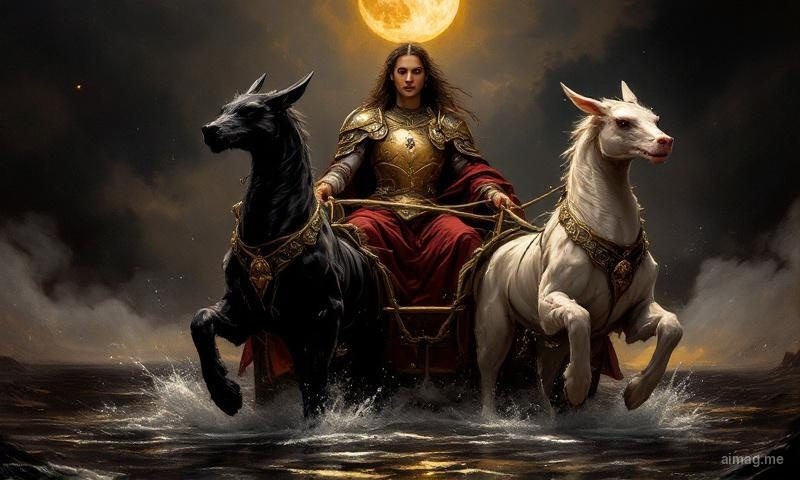
Ecco la domanda che coglie le persone di sorpresa: quale carta dei tarocchi è il Cancro? La risposta — Il Carro — sembra sbagliata all'inizio. La carta VII degli Arcani Maggiori raffigura una figura in armatura su un carro trainato da due sfingi o cavalli, uno nero e uno bianco. L'immagine suggerisce forza di volontà, conquista, forza diretta. Dov'è la premura? La profondità emotiva? L'interno morbido del granchio?
Tutto là. Bisogna solo capire di cosa parla davvero Il Carro.
Il Carro non raffigura la forza bruta. Raffigura la padronanza di forze opposte — la capacità di prendere due impulsi contraddittori e dirigerli verso un unico scopo senza distruggerli. Il guidatore non frustra le sfingi per sottometterle. La maggior parte delle raffigurazioni tradizionali non mostrano affatto le redini. Il veicolo si muove attraverso la pura forza di volontà, attraverso la capacità del cavaliere di reggere la tensione senza cedere a una parte o all'altra.
Questa è la competenza più profonda del Cancro. Reggi la tensione tra il bisogno delle persone e il bisogno di proteggerti da esse. Tra il voler nutrire e il voler ritirarti. Tra essere emotivamente la persona più forte nella stanza ed essere la più facilmente ferita. Il Carro dice: non risolvi queste contraddizioni. Le cavalchi. Le fai portarti avanti.
L'intelligenza emotiva — la capacità di riconoscere, comprendere e gestire le proprie emozioni mentre simultaneamente si leggono e si risponde a quelle degli altri — è uno dei predittori più forti sia dell'efficacia nella leadership che della soddisfazione nelle relazioni. Il Cancro incarna questa capacità per istinto. Il Carro è la sua forma visiva: non l'assenza di conflitto interno, ma la sua padronanza.
Il guscio duro del granchio è l'armatura del Carro. L'interno morbido è il cuore che rende il viaggio degno di essere intrapreso. Il Cancro non combatte nonostante senta tutto. Il Cancro combatte proprio perché sente tutto — perché le cose che vale la pena proteggere sono troppo preziose per lasciarle indifese.
Le carte di supporto — la costellazione emotiva del Cancro
Nessun segno è catturato da una sola carta. La complessità psicologica del Cancro si dispiega attraverso diversi archetipi dei tarocchi che insieme mappano l'intero territorio interiore di questo segno.
Regina di Coppe — intelligenza emotiva padroneggiata
Se Il Carro è la volontà del Cancro, la Regina di Coppe è la sua saggezza. Siede al bordo dell'acqua, tenendo una coppa chiusa — ornata, bellissima, sigillata. Non sparge le sue emozioni in mostra. Le contiene. Sa cosa sente, sa cosa senti tu, e sceglie con cura cosa condividere e con chi.
Questo è il Cancro nella sua maturità: emotivamente colto senza essere emotivamente reattivo. La Regina di Coppe non viene travolta dai sentimenti. Li legge come un marinaio legge il mare — con rispetto, con conoscenza, e con la consapevolezza che si può navigare l'acqua senza diventarla.
Per il Cancro, questa carta è l'aspirazione. Quando sei al meglio — presente, perspicace, contenendo moltitudini senza perderti — sei la Regina di Coppe.
La Luna — l'inconscio, i cicli, ciò che si nasconde sotto
La Luna è il pianeta governatore del Cancro espresso nei tarocchi, e rappresenta la dimensione del Cancro che la maggior parte delle persone trova più difficile da comprendere dall'esterno: il mondo interiore. La carta della Luna mostra un terreno di illusione e intuizione — un sentiero tra due torri, uno stagno da cui emerge un gambero, un cane e un lupo che ululano a una luna che illumina senza rivelare pienamente.
Il Cancro vive in questo territorio. I tuoi umori oscillano in cicli. Il tuo mondo interiore è ricco, popolato, e non sempre razionale. Sai cose senza poter spiegare come. Percepisci dinamiche che altri mancano completamente. La Luna convalida questo modo di conoscere — non come confusione o debolezza, ma come una forma legittima di percezione che opera al di sotto dell'analisi conscia.
Il termine per questo è "elaborazione implicita" — il cervello che rileva schemi e genera intuizioni accurate prima che la mente conscia assembli le prove. Il Cancro ha questo in abbondanza. La Luna dice: fidati di essa, ma comprendi anche che non ogni ombra è una minaccia. Parte di ciò che percepisci nel buio è la tua stessa paura proiettata verso l'esterno.
La Papessa — l'intuizione come conoscenza
La Papessa siede tra due pilastri — uno nero, uno bianco — con un velo dietro di lei che cela misteri più profondi. Non agisce. Sa. Tiene il rotolo della saggezza nascosta e aspetta il momento giusto per rivelare ciò che comprende.
Per il Cancro, la Papessa rappresenta quella parte di te che semplicemente sa — delle persone, delle situazioni, delle correnti emotive che guidano le decisioni molto prima che qualcuno le riconosca consciamente. Non è misticismo. Le prime esperienze relazionali creano modelli operativi interni — schemi inconsci per comprendere sicurezza, minaccia e connessione — che funzionano automaticamente per tutta la vita. La profonda sintonia del Cancro con le atmosfere emotive è, in parte, un sistema finemente calibrato di rilevamento delle minacce e valutazione della sicurezza che elabora le informazioni relazionali con straordinaria velocità e precisione.
La Papessa dice: ciò che sai intuitivamente è vera conoscenza. Merita lo stesso rispetto di ciò che può essere misurato e quantificato.
Quattro di Coppe — il ritiro emotivo come protezione
Il Quattro di Coppe mostra una figura seduta sotto un albero, le braccia conserte, tre coppe davanti a lei e una quarta offerta da una mano dalle nuvole. La figura non guarda la coppa offerta. Volta verso l'interno. Chiusa. Da qualche altra parte.
Questo è il Cancro in modalità protettiva. Quando il mondo è stato troppo — troppo rumoroso, troppo esigente, emotivamente troppo insicuro — il Cancro si ritira. Il guscio si chiude. Il ponte levatoio si alza. Il telefono resta senza risposta. Non è maleducazione o apatia. È un necessario ricalibrarsi, un periodo di ibernazione emotiva durante il quale il Cancro elabora ciò che si è accumulato e decide cosa è sicuro riammettere.
Il Quattro di Coppe ricorda al Cancro che il ritiro è a volte saggezza — ma anche che la coppa offerta, la cosa che sei troppo guardingo per notare, potrebbe essere esattamente ciò di cui hai bisogno.
Il Cancro in amore — profondità, devozione e la paura di essere abbandonati
Il Cancro non frequenta casualmente. Anche quando il Cancro pensa di essere casual, sta già costruendo architettura emotiva attorno all'altra persona — annotando preferenze, memorizzando storie, costruendo un modello di chi sono che è più dettagliato e accurato dell'immagine che quella persona ha di se stessa.
Questo è straordinariamente attraente e occasionalmente soffocante.
La paura dell'abbandono non è un disturbo per il Cancro. È un ronzio di fondo — un segnale a bassa frequenza che modella le decisioni su quando aprirsi, quando ritrarsi e quanta vulnerabilità è sicura. Il Cancro comprende l'attaccamento ansioso intuitivamente, anche quando non si adatta al modello clinico. La sensibilità ai segnali di ritiro, la tendenza a dare più di quanto si riceve nella speranza di assicurare il legame — questi impulsi vanno in profondità.
In amore, le carte dei tarocchi del Cancro raccontano una storia specifica. L'Asso di Coppe rappresenta ciò che il Cancro offre: disponibilità emotiva traboccante, la capacità di devozione totale, la volontà di costruire un mondo attorno a un'altra persona. La Regina di Coppe rappresenta come il Cancro ama al meglio — con profondità, percezione e contenimento. Il Quattro di Coppe rappresenta ciò che accade quando il Cancro viene ferito: ritiro, guscio, rifiuto di accettare ciò che viene offerto perché l'ultima offerta ha causato dolore.
Il Cancro ama attraverso le azioni più che le parole. Cucinare per qualcuno è un linguaggio d'amore. Rendere una casa un luogo sicuro è un linguaggio d'amore. Ricordare quello che qualcuno ha detto tre mesi fa e agire senza essere chiesto — questa è la forma più caratteristica di devozione del Cancro, ed è una delle espressioni di cura più potenti che un'altra persona possa ricevere.

Il Cancro al lavoro — il nutrificatore che fatica con l'autopromozione
Il Cancro eccelle nei ruoli che richiedono sintonizzazione emotiva: insegnamento, consulenza, sanità, assistenza sociale, risorse umane, direzione creativa, ospitalità. In qualsiasi professione in cui capire cosa hanno bisogno le persone — spesso prima che lo articolino — sia una competenza fondamentale, il Cancro supererà gli altri.
La difficoltà è la visibilità. Il Cancro svolge un lavoro eccellente in silenzio. Costruisce team facendo sentire gli individui visti e supportati. Crea ambienti in cui le altre persone prosperano. Poi guarda qualcuno di più rumoroso prendersi il merito, perché l'autopromozione sembra inautentica e leggermente imbarazzante.
Il Re di Coppe è la carta delle aspirazioni di carriera del Cancro — la figura che ha padroneggiato la profondità emotiva e ha imparato ad operare efficacemente nel mondo esterno. Il Re guida con intelligenza emotiva. Prende decisioni che tengono conto del sentimento umano senza essere destabilizzato da esso. Per il Cancro in un contesto di carriera, questa carta è un invito: le tue competenze emotive non sono soft skills. Sono il tuo asset professionale più prezioso. Usale apertamente.
La configurazione dell'ufficio a casa non è un cliché per il Cancro. È un bisogno genuino. Il Cancro lavora meglio in uno spazio che sente sicuro, personale e controllabile. Gli uffici open space, la socialità aziendale performativa, la mancanza di confini tra spazio lavorativo e personale — queste cose prosciugano il Cancro in modi che i segni più estroversi registrano a malapena.
L'ombra del Cancro — ciò che il guscio ti nasconde
Ogni segno ha un'ombra, e quella del Cancro è la più difficile da affrontare perché si nasconde all'interno delle stesse qualità che il Cancro valorizza di più.
Manipolazione emotiva. La straordinaria capacità del Cancro di leggere le emozioni può diventare uno strumento di controllo. Sapere esattamente cosa sente qualcuno significa sapere esattamente cosa dirgli per farlo sentire in colpa, obbligato, o responsabile dello stato emotivo del Cancro. Raramente consapevole. Quasi mai malevolo. Ma è una strategia di sopravvivenza — un modo per assicurare la connessione facendo sentire l'altra persona troppo in colpa per andarsene. E corrode la fiducia, sostituendo la vera intimità con l'obbligo.
Martirio. Il Cancro dà, e dà, e dà — poi si risente del fatto che nessuno ricambia con uguale intensità. Lo schema è prevedibile: il Cancro investe troppo emotivamente, non comunica ciò di cui ha bisogno in cambio, accumula risentimento in silenzio, e poi esplode o si ritira. L'altra persona rimane disorientata perché non ha mai saputo che il debito veniva contabilizzato.
Aggressività passiva. Il guscio non è solo protezione. Può essere un'arma. Il silenzio del Cancro, il ritiro e l'indisponibilità emotiva possono essere usati strategicamente per punire senza mai dichiarare cosa c'è di sbagliato. "Sto bene" diventa la frase più aggressiva nel vocabolario del Cancro.
Incapacità di lasciar andare. La straordinaria memoria del Cancro — emotiva, sensoriale, relazionale — significa che le ferite passate restano vivide molto dopo che avrebbero dovuto sbiadire. Il Cancro può descrivere un torto di dieci anni fa con l'intensità emotiva di ieri. Non è un difetto nell'elaborazione. È una caratteristica della profonda codificazione emotiva del Cancro. Ma significa che il perdono richiede uno sforzo deliberato, e rilasciare ciò che una volta sembrava casa — una relazione, un luogo, una versione di se stessi — è genuinamente uno dei compiti più difficili del Cancro.
La Luna illumina questi schemi d'ombra chiedendo al Cancro di distinguere tra intuizione genuina e proiezione basata sulla paura. Non ogni silenzio è un rifiuto. Non ogni cambiamento è un abbandono. Non ogni sentimento richiede un'azione.
Lo Spread del Guscio e del Mare — uno spread dei tarocchi per il Cancro
Questo spread di cinque carte è progettato per l'energia del Cancro — che tu sia un Cancro Sole, Luna o Ascendente, o stia elaborando temi di protezione, vulnerabilità, confini emotivi e il rapporto tra mondo interiore e presentazione esterna.
Disposizione: Pesca cinque carte e disponile in questo schema:
| Posizione | Carta | Significato |
|---|---|---|
| 1 — Il Guscio | Centro | Cosa stai proteggendo adesso — il meccanismo di difesa attualmente attivo |
| 2 — L'Interno Morbido | Sotto al centro | Cosa c'è di vulnerabile sotto il guscio — il sentimento che stai custodendo |
| 3 — La Marea che Entra | Sinistra | Cosa si sta avvicinando a te emotivamente — cosa vuole raggiungerti |
| 4 — La Marea che Esce | Destra | Cosa devi rilasciare — l'emozione o il ricordo pronto ad andarsene |
| 5 — La Luna in Alto | Sopra al centro | La guida della tua intuizione — ciò che il tuo sé più profondo sa già di questa situazione |
Come leggerlo: Inizia con la Carta 1 e chiediti onestamente da cosa ti stai difendendo. Poi la Carta 2 — il centro morbido che il guscio protegge. Spesso, le difese del Cancro sono sproporzionate rispetto alla vulnerabilità effettiva, o custodiscono qualcosa che non ha più bisogno di essere custodito. La Carta 3 rivela cosa sta cercando di raggiungerti — un'opportunità, una persona, un'emozione — che il guscio potrebbe stare bloccando. La Carta 4 identifica cosa la marea è pronta a portare via se la lasci andare. La Carta 5 ti connette alla saggezza lunare che il Cancro porta naturalmente — quella parte di te che conosce già la risposta se smetti di sovra-pensare abbastanza a lungo da ascoltare.
Questo spread funziona particolarmente bene durante la stagione del Cancro (da fine giugno a fine luglio), alla Luna Nuova o Piena, o ogni volta che ti senti ritirare nel guscio e non sei del tutto sicuro del perché.
Domande frequenti
Quale carta dei tarocchi è il Cancro?
Il Carro (carta VII degli Arcani Maggiori) è la carta principale dei tarocchi per il Cancro. Questa connessione sorprende molti che si aspettano una carta più ovviamente emotiva, ma Il Carro rappresenta la forza fondamentale del Cancro: la capacità di imbrigliare forze emotive opposte attraverso la forza di volontà e l'intenzione diretta. L'esterno duro del carro rispecchia il guscio del granchio, mentre la padronanza interna necessaria per guidarlo riflette l'intelligenza emotiva del Cancro.
Quali carte dei tarocchi sono più importanti per una lettura del Cancro?
Oltre al Carro, le carte più significative per il Cancro sono la Regina di Coppe (padronanza emotiva e saggezza intuitiva), la Luna (l'inconscio, i cicli e l'influenza lunare), la Papessa (conoscenza nascosta e intuizione) e il Quattro di Coppe (ritiro emotivo e necessità di ricalibrarsi). Insieme queste carte mappano l'intera gamma emotiva e psicologica del Cancro.
Come può il Cancro usare i tarocchi per lo sviluppo personale?
Il Cancro trae il massimo beneficio dai tarocchi come strumento per separare l'intuizione dall'ansia — due esperienze che dall'interno sembrano identiche. Le letture regolari aiutano il Cancro a esternalizzare gli stati emotivi interni, rendendoli più facili da esaminare con una certa distanza. Lo Spread del Guscio e del Mare qui sopra è costruito per questo scopo, aiutando il Cancro a identificare cosa sta proteggendo, da cosa si sta nascondendo, e cosa il suo sé più profondo già comprende della situazione.
La sensibilità del Cancro è un punto di forza o di debolezza nei tarocchi?
Inequivocabilmente un punto di forza. La naturale sintonizzazione emotiva del Cancro rende i tarocchi intuitivi e immediati piuttosto che intellettuali e distanti. Dove altri segni potrebbero dover lavorare per connettersi emotivamente con le immagini delle carte, il Cancro lo fa automaticamente. L'unica cautela è la proiezione — la tendenza del Cancro a leggere nelle carte le proprie paure piuttosto che lasciare che le carte mostrino qualcosa di inaspettato. Una buona pratica: nota la tua prima reazione a una carta e poi chiedi: "È questo che dice la carta, o è quello che temo?"
Cancro, possiedi già lo strumento che i tarocchi richiedono: la capacità di sentire in profondità, di ricordare con precisione, e di sapere cose che non possono essere dimostrate ma che risultano vere comunque. Le tue carte — Il Carro, la Regina di Coppe, la Luna, la Papessa — non sono carte delicate. Sono carte di potere. Potere emotivo. Il tipo che non si annuncia ma plasma ogni stanza in cui entri, ogni relazione che costruisci, ogni casa che rendi sicura per le persone abbastanza fortunate da essere ammesse dentro il guscio.
La tua profondità non è un peso. È la tua capacità distintiva. I tarocchi le danno un vocabolario.
Esplora le tue carte del Cancro in una lettura AI personalizzata su aimag.me/reading