Conosci quella persona che ti irrita senza una ragione valida? Il collega la cui sicurezza ti fa stringere la mascella. L'amico la cui vulnerabilità ti fa venire voglia di lasciare la stanza. Lo sconosciuto su internet le cui opinioni scatenano una rabbia del tutto sproporzionata rispetto a ciò che ha effettivamente detto. Quella reazione — quella che non corrisponde allo stimolo — non riguarda loro. Riguarda te. Più precisamente, riguarda le parti di te che hai chiuso a chiave così tanto tempo fa da dimenticare che la chiave esisteva.
Carl Jung introdusse il concetto di ombra nel 1959, sebbene lo stesse già elaborando da decenni. In Man and His Symbols (1964), la descrisse come "la cosa che una persona non ha alcun desiderio di essere" — non solo gli impulsi distruttivi che sopprimo, ma anche il potenziale creativo, l'ambizione, il potere che abbiamo deciso fosse troppo pericoloso da possedere. L'ombra non è malvagità. È esilio. E l'esilio, come ti dirà qualsiasi psicologo, non fa sparire qualcosa. La fa marcire.
Il lavoro sull'ombra è la pratica di voltarsi verso ciò da cui ti sei allontanato. Non è comodo. Non è fatto per esserlo. Ma è probabilmente il lavoro psicologico più produttivo che una persona possa fare, perché l'ombra non se ne sta tranquilla nel seminterrato della tua psiche. Da lì governa la tua vita. Ogni reazione eccessiva, ogni schema che non riesci a spezzare, ogni relazione che crolla sempre nello stesso modo — c'è sempre una componente d'ombra. Sempre.
Il tarot si presta in modo straordinario a questo lavoro. Le carte esternalizzano il materiale interno. Ti danno qualcosa su cui posare lo sguardo che non è uno specchio — non esattamente — ma abbastanza vicino. Quando La Luna appare in una lettura sull'ombra, non ti sta dicendo qualcosa che non sai. Ti sta mostrando qualcosa che sai ma rifiuti di affrontare. C'è una differenza, ed è in quella differenza che inizia la guarigione.
In breve: Gli spread tarot per il lavoro sull'ombra esternalizzano le parti di te che hai esiliato — rabbia, dipendenza affettiva, ambizione, dolore — attraverso tre configurazioni di profondità crescente. Il five-card Shadow Mirror identifica il tratto rifiutato e il suo dono nascosto, il four-card Integration Spread colma il divario tra rifiuto e recupero, e il six-card Trigger Map traccia le tue reazioni eccessive fino alla ferita originale e alla convinzione nascosta che le alimenta.
Spread 1: Lo Shadow Mirror Spread (5 carte)
Questo è lo spread introduttivo. Usalo quando vuoi incontrare la tua ombra — per identificare ciò che è stato nascosto e capire perché è stato nascosto in primo luogo.
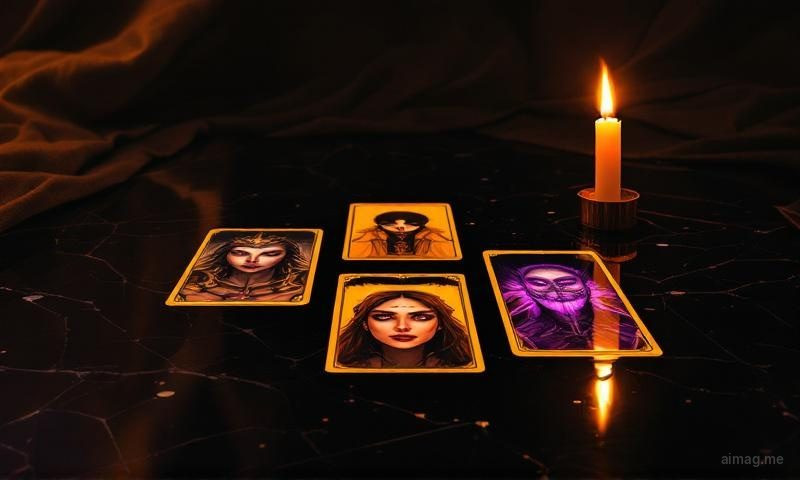
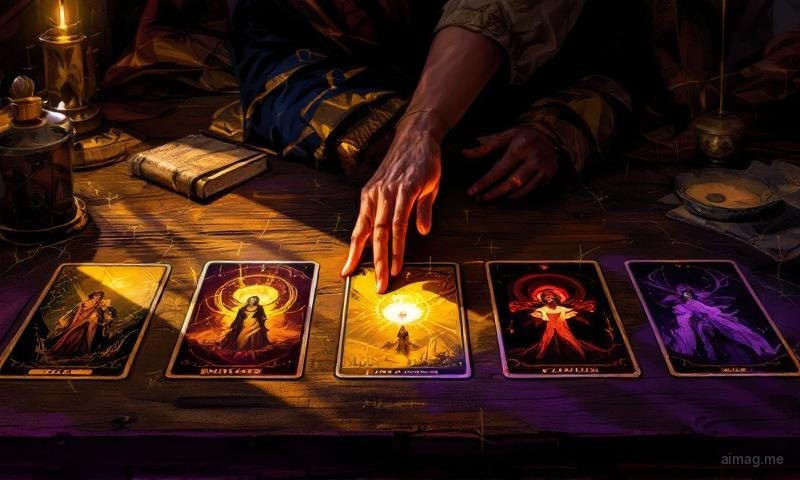
Disponi cinque carte in fila verticale, come se guardassi in uno stagno scuro. Le prime due carte sono "sopra la superficie" (conscio). Le ultime due sono "sotto" (inconscio). La carta centrale è la linea dell'acqua — la soglia tra ciò che vedi e ciò che rifiuti di vedere.
| Posizione | Significato |
|---|---|
| 1 | Come ti vedi — la tua identità cosciente |
| 2 | Ciò che valorizzi di più — il tratto su cui costruisci la tua immagine di sé |
| 3 | La soglia — ciò che custodisce il confine tra luce e ombra |
| 4 | La tua ombra primaria — il tratto che hai rifiutato o soppresso |
| 5 | Il dono nell'ombra — ciò che diventa disponibile quando smetti di rifiutarlo |
Come leggerlo: Le posizioni 1 e 4 sono la coppia centrale. Quasi sempre esistono in tensione. Se la posizione 1 è L'Imperatore — strutturato, controllato, autorevole — la posizione 4 rivela spesso qualcosa di caotico, vulnerabile o dipendente. L'ombra del controllore è il bambino a cui non è mai stato permesso di essere fuori controllo. L'ombra di chi si prende cura degli altri è la persona che ha bisogno di cura. L'ombra del pensatore razionale è il cuore selvaggio e irrazionale.
La posizione 3 è la carta psicologicamente più interessante di questo spread. Mostra il meccanismo di difesa — la guardia che hai messo alla porta tra il tuo sé cosciente e la tua ombra. Potrebbe essere l'umorismo (la carta potrebbe essere giocosa, elusiva). Potrebbe essere la rabbia (una carta combattiva che fa la guardia). Potrebbe essere il perfezionismo (una carta ossessionata dall'ordine, che tiene tutto in posizione perché niente trapeli).
Debbie Ford, in The Dark Side of the Light Chasers (1998), scrisse che "ognuno di noi vive con una moltitudine di personaggi dentro di sé, e la nostra salute dipende dall'averli tutti." Parlava di ciò che la posizione 5 rivela: l'ombra non è solo un danno da riparare. Contiene energia vitale — creatività, assertività, desiderio, dolore — di cui hai bisogno. Quando estrai l'Asso di Bastoni nella posizione 5, il messaggio è diretto: la passione che hai esiliato sta cercando di tornare a casa.
Se Il Diavolo appare in qualsiasi punto di questo spread, presta attenzione. Questa carta parla direttamente al materiale d'ombra — le catene che crediamo bloccate ma in realtà abbastanza allentate da scivolare via. Il Diavolo in una lettura sull'ombra dice: sei tu a tenerci attaccato. Non perché sei costretto. Perché lasciar andare richiederebbe ammettere che hai sempre avuto una scelta.
Stare con il disagio
La parte più difficile di leggere questo spread non è l'interpretazione. È la risposta emotiva. Quando la posizione 4 rivela qualcosa che genuinamente non vuoi guardare — invidia, dipendenza, crudeltà, codardia — l'istinto è quello di respingerlo. "Non sono io." Quel rifiuto è il meccanismo d'ombra. Sta facendo esattamente ciò per cui è stato costruito: proteggerti dal vedere ciò che non sei ancora pronto a vedere.
Non forzare. Annota ciò che hai estratto. Lascia riposare per un giorno o due. Lascia che lavori su di te piuttosto che cercare di lavorarci sopra. L'integrazione dell'ombra non è un evento da una sola sessione. È uno scioglimento lento.
Spread 2: L'Integration Spread (4 carte)
Una volta identificato un elemento d'ombra — attraverso il Mirror Spread, la terapia, l'accumulo lento di schemi che non puoi più ignorare — questo spread affronta la domanda successiva: come lo riporti? Come recuperi una parte di te che hai trascorso anni o decenni a rifiutare?
Disponi quattro carte in un quadrato. In alto a sinistra e in alto a destra la coppia in conflitto. In basso a sinistra il ponte. In basso a destra il risultato integrato.
| Posizione | Significato |
|---|---|
| 1 | Il sé rifiutato — il tratto d'ombra con cui stai lavorando |
| 2 | Il sé protettivo — perché hai rifiutato questo tratto (la storia che ti sei raccontato) |
| 3 | Il ponte — il primo passo verso l'accettazione di questa parte di te |
| 4 | Il sé integrato — chi diventi quando questa parte viene accolta di nuovo |
Come leggerlo: La posizione 2 è dove vive la storia vera. L'ombra non è stata rifiutata casualmente. C'era una ragione — di solito ottima all'epoca. Un bambino punito per la rabbia impara a esiliare la rabbia. Un adolescente deriso per la sensibilità impara a esiliare la tenerezza. Il sé protettivo è la parte che ha preso quella decisione, e di solito crede ancora che la minaccia sia reale.
Se estrai il Dieci di Spade nella posizione 2, la storia è di catastrofe: "L'ultima volta che ho mostrato questa parte di me, ha distrutto tutto." Che sia letteralmente vero o no, il sentimento è vero, e i sentimenti non rispondono alla logica. Rispondono all'esperienza.
La posizione 3 — il ponte — è la tua carta d'azione. È raramente drammatica. L'integrazione non avviene attraverso grandi gesti. Avviene attraverso atti piccoli e ripetuti di permesso. Il Due di Coppe qui potrebbe significare trovare una persona di cui ti fidi abbastanza da mostrare questa parte di te. Il Fante di Denari potrebbe significare studiarla — leggerci su, scriverci un diario, trattarla come un soggetto piuttosto che una minaccia.
La posizione 4 ti mostra la possibilità. Non chi dovresti essere, ma chi potresti essere se questo pezzo esiliato tornasse a casa. La Morte in questa posizione non è allarmante — è promettente. Significa che il vecchio concetto di sé muore, e ciò che lo sostituisce è più completo. La carta della trasformazione diventa la carta della riunione.
Una nota sui tempi
Non affrettarti dallo Spread 1 allo Spread 2. Il lavoro sull'ombra che procede troppo velocemente diventa ri-traumatizzante invece che curativo. Se il Mirror Spread ha rivelato qualcosa che ti ha genuinamente scosso, concediti settimane — non ore — prima di tentare l'integrazione. Jung stesso mise in guardia dall'"inflazione", il pericolo psicologico di assorbire materiale d'ombra più velocemente di quanto l'ego possa gestirlo. La mente inconscia ha il suo programma. Rispettalo.
Spread 3: Il Trigger Map Spread (6 carte)
Questo è il più pratico dei tre spread. Parte da un trigger emotivo specifico — una situazione che in modo affidabile ti fa reagire in modi che non capisci o non puoi controllare — e mappa l'architettura d'ombra sottostante.
Usalo quando sai che qualcosa non va ma non riesci a capire perché. Quando la reazione continua a ripetersi e la forza di volontà non basta a fermarla.
Disponi sei carte in due file da tre. La fila superiore è la superficie (ciò che vedi). La fila inferiore è la profondità (ciò che lo guida).
| Posizione | Fila | Significato |
|---|---|---|
| 1 | Superiore | Il trigger — la situazione esterna che ti attiva |
| 2 | Superiore | La reazione — cosa fai o senti quando sei innescato |
| 3 | Superiore | Il costo — cosa ti sta costando questo schema di reazione |
| 4 | Inferiore | La ferita originale — l'esperienza precedente di cui questo trigger è l'eco |
| 5 | Inferiore | La convinzione d'ombra — la certezza nascosta che guida la reazione |
| 6 | Inferiore | La risposta cosciente — cosa diventa possibile quando vedi l'intero schema |
Come leggerlo: Questo spread è un lavoro da detective. Stai tracciando un sintomo fino alla sua causa, e la causa quasi mai è quella che ti aspetti.
Supponiamo che la posizione 1 sia il Cinque di Bastoni — conflitto, competizione, persone che si scontrano. La posizione 2 è l'Otto di Coppe — andarsene, ritiro emotivo. Il tuo trigger è il conflitto, e la risposta automatica è andare via. Questo probabilmente lo sapevi già.
Ma la posizione 4 — la ferita originale — potrebbe essere La Torre. Qualcosa è crollato. Non un conflitto minore ma una rottura catastrofica. Il tuo sistema nervoso ha registrato questo: conflitto equivale a distruzione. Così ha costruito una strategia di uscita, e quella strategia si attiva ogni singola volta che qualcuno alza la voce, anche quando la posta in gioco è bassa.
La posizione 5 è la convinzione nascosta, ed è spesso la carta più rivelatrice dell'intero spread. Il Sette di Spade qui potrebbe dire: "Credo di dover essere strategico e auto-protettivo perché nessuno mi proteggerà." Il Nove di Spade: "Credo che il conflitto mi distruggerà." Queste convinzioni non sono coscienti. Non le pensi camminando per strada. Operano sotto il pensiero, nel corpo, nella risposta riflessiva del sistema nervoso che si attiva prima che la mente razionale si impegni.
La posizione 6 offre l'alternativa — non un trigger diverso, perché non puoi controllare il mondo, ma una risposta diversa. Questa è la carta dell'agentività. Dice: una volta che vedi l'intera catena — trigger, reazione, costo, ferita, convinzione — non sei più intrappolato in essa. Hai una scelta che non avevi prima, perché puoi vedere il meccanismo.
Lavorare con le carte difficili negli spread sull'ombra
Il lavoro sull'ombra attira carte intense. La Torre, Il Diavolo, La Morte, il Dieci di Spade, il Nove di Spade — queste appaiono più spesso nelle letture sull'ombra che nelle letture generali, e non è una coincidenza. L'ombra è il luogo dove vive il materiale pesante. Se il tuo spread sull'ombra è tutto Coppe e sole, potresti non stare facendo domande oneste.
Detto ciò, le carte intense non sono punizioni. Sono diagnosi. Un esame del sangue che rivela un'infezione non è l'infezione stessa. È l'informazione che rende possibile il trattamento.
Debbie Ford scrisse che "le nostre ombre contengono l'essenza di chi siamo. Contengono i nostri doni più preziosi." La carta della Morte in una lettura sull'ombra non prevede distruzione. Identifica la trasformazione che avverrà quando smetterai di fuggire dalla parte di te che temi di più. La Luna non ti confonde — ti mostra il terreno del tuo stesso inconscio, che è intrinsecamente confuso perché non è mai stato progettato per essere compreso dalla logica diurna.
Spunti per il journaling con gli spread sull'ombra
Dopo ognuno di questi tre spread, la scrittura è lo strumento di integrazione più efficace. Non analisi — scrittura. Lascia venire le parole senza correggere. Cinque minuti bastano. Dieci sono meglio.
Per il Mirror Spread: "Se la mia ombra potesse parlarmi senza paura, direbbe..."
Per l'Integration Spread: "Il motivo per cui ho rifiutato questa parte di me era... e il prezzo che ho pagato è stato..."
Per il Trigger Map: "L'ultima volta che questo trigger si è attivato, ciò di cui avevo davvero bisogno in quel momento era..."
Questi spunti non sono retorici. Producono risposte reali — risposte che vivono nel tuo corpo e emergeranno solo attraverso l'atto dello scrivere, non del pensare. Pensare all'ombra attiva le stesse difese che tengono l'ombra nascosta. La scrittura aggira quelle difese, almeno parzialmente, perché la mano si muove più velocemente del censore.
Quando cercare supporto professionale
Il lavoro sull'ombra attraverso il tarot è potente, ma ha dei limiti. Se uno spread rivela materiale connesso a un trauma — abuso, violenza, grave negligenza — il passo successivo appropriato non è un altro spread. È una conversazione con un terapeuta qualificato, in particolare uno formato in modalità trauma-informed come EMDR, somatic experiencing o IFS (Internal Family Systems).
Il tarot apre porte. Non sempre ha gli strumenti per gestire ciò che si trova dietro di esse. Sapere la differenza tra "posso stare con questo" e "ho bisogno di supporto professionale per questo" è essa stessa una forma di maturità psicologica. Rispettala.
Domande frequenti
Con quale frequenza dovrei fare gli spread per il lavoro sull'ombra?
Mensile è un buon ritmo per la maggior parte delle persone. Settimanale è troppo frequente — il materiale d'ombra ha bisogno di tempo per sedimentarsi tra le sessioni. Alcuni praticanti allineano il lavoro sull'ombra con la fase di luna nuova, il che ha senso simbolico: la luna nell'oscurità rispecchia la discesa in ciò che è nascosto. Ma la tempistica conta meno dell'intenzione. Uno spread sull'ombra onesto ogni sei settimane ti cambierà più di uno fatto distrattamente ogni sabato.
Cosa succede se la stessa carta continua ad apparire nelle mie letture sull'ombra?
Quella carta è il biglietto da visita della tua ombra. È il simbolo ricorrente per il materiale con cui stai lavorando. Invece di estrarre altre carte, approfondisci quella. Studiala. Meditaci. Leggi i suoi significati tradizionali, le sue inversioni, la sua posizione nel percorso del mazzo. L'Otto di Coppe, che appare in più letture sull'ombra, racconta una storia persistente sulla partenza emotiva — su ciò da cui continui ad allontanarti, e cosa succederebbe se restassi.
Posso fare il lavoro sull'ombra per qualcun altro?
Il lavoro sull'ombra è intrinsecamente personale. Puoi fare una lettura sull'ombra con qualcuno — guidandolo attraverso gli spread, tenendo lo spazio mentre interpreta — ma non puoi identificare l'ombra di un'altra persona al suo posto. Sarebbe proiezione, non intuizione. E la proiezione, come notò Jung, è essa stessa un meccanismo d'ombra: la tendenza a vedere negli altri ciò che rifiutiamo di vedere in noi stessi.
Il lavoro sull'ombra è pericoloso?
Può essere destabilizzante se fatto incautamente. L'ombra esiste per una ragione — ti ha protetto quando avevi bisogno di protezione. Smantellare quelle protezioni senza cura o contesto può sommergerti di materiale che non sei pronto a elaborare. Inizia con il Mirror Spread. Procedi lentamente. Se ti senti sopraffatto, fermati e radicati prima di continuare. Il lavoro sull'ombra fatto con cura è profondamente liberatorio. Fatto con imprudenza è ri-traumatizzante. La differenza è il ritmo.
Ogni persona porta dentro di sé una versione di sé che ha deciso fosse inaccettabile. Troppo arrabbiata, troppo bisognosa, troppo ambiziosa, troppo sensuale, troppo triste, troppo potente. La decisione aveva senso all'epoca — era sopravvivenza. Ma le strategie di sopravvivenza che sopravvivono alla loro utilità diventano prigioni. L'ombra non è un mostro nel seminterrato. È un bambino che hai chiuso in una stanza e di cui ti sei dimenticato. Questi spread non sfondano la porta. Bussano. Ascoltano una risposta. E quando la risposta arriva — come arriverà, perché l'ombra aspetta da molto tempo di essere ascoltata — ti danno un modo per sederti di fronte alla parte di te che temi di più e dire, finalmente: ti vedo. Puoi tornare a casa adesso.