Nessuno te lo dice quando inizi a leggere i tarocchi, ma il motivo più comune per cui le persone smettono non è lo scetticismo. È la frustrazione. Tirano le carte, leggono l'interpretazione del manuale, non sentono nulla, e concludono che devono stare sbagliando qualcosa — o peggio, che i tarocchi semplicemente non funzionano per loro. Di solito nessuna delle due ipotesi è vera. Quello che accade è più semplice e rimediabile: stanno facendo uno o più errori specifici che svuotano di significato ogni lettura prima che abbia la possibilità di connettersi.
Non sono errori oscuri. Sono gli schemi in cui cade quasi ogni principiante, perché dall'esterno sembrano logici. Prima memorizza i significati, poi leggi. Evita le carte inquietanti. Fai domande precise. Fai più letture per avere più chiarezza. Ognuno di questi istinti è sbagliato, e ognuno ha una spiegazione psicologica per cui sembra giusto anche quando non funziona.
Ecco i nove errori, perché il tuo cervello ti spinge verso di essi, e cosa fare invece.
In breve: I nove errori più comuni dei principianti includono memorizzare i significati invece di leggere le immagini, chiedere dei sentimenti degli altri, tirare le carte ripetutamente finché non si ottiene la risposta desiderata e aver paura di carte come la Morte o la Torre. Ogni errore è una strategia per evitare il disagio di non sapere. La correzione è sempre più semplice: guarda la carta, fidati della tua reazione istintiva, scrivi quello che trovi e siediti con ciò che emerge.
1. Memorizzare i significati invece di leggere le immagini
Questo è di gran lunga l'errore più comune tra i principianti, e nasce da un presupposto ragionevole: si parte dal presupposto che i tarocchi siano come una lingua straniera, e che il primo passo sia il vocabolario. Quindi ci si siede con una lista di settantotto significati e si cerca di impararli a memoria. Il Matto significa nuovi inizi. La Torre significa cambiamento improvviso. Il Tre di Coppe significa celebrazione.
Il problema è che i tarocchi non sono un codice da decifrare. Sono un sistema simbolico visivo pensato per essere letto con gli occhi e le sensazioni, non con la memoria meccanica. Quando memorizzi che la Morte significa trasformazione e poi peschi la carta della Morte, il tuo cervello recupera "trasformazione" e smette di pensare. Ottieni la definizione da manuale ma perdi la lettura vera — quella parte in cui guardi l'immagine e senti qualcosa di specifico e personale che nessuna definizione avrebbe potuto anticipare.
La correzione: Impara prima a leggere le immagini. Quando peschi una carta, passa trenta secondi a guardarla prima di pensare al suo "significato." Cosa sta facendo il personaggio? Qual è la sua espressione? Cosa cattura per primo il tuo occhio? La tua risposta visiva ed emotiva all'immagine è la lettura. Il significato tradizionale è contesto — utile, ma secondario rispetto a ciò che effettivamente vedi e senti. Con la pratica, i significati si assimileranno naturalmente attraverso l'uso, non attraverso la memorizzazione. Questo è l'approccio che raccomandiamo nella nostra guida completa per principianti.
2. Fare domande sui sentimenti degli altri
"Cosa pensa di me?" "Mi ama ancora?" "Cosa farà il mio capo?"
Queste domande sembrano urgenti e importanti. Sono anche il modo più rapido per ottenere una lettura inutile. Non perché i tarocchi non possano offrire prospettiva sulle relazioni — assolutamente sì — ma perché le carte possono riflettere solo ciò che è dentro di te. Quando chiedi "cosa pensa di me", quello che ottieni in realtà è la tua proiezione di ciò che lui pensa di te. Le tue paure, le tue speranze, le tue supposizioni travestite da intuizione.
Daniel Kahneman ha identificato un bias cognitivo che ha chiamato visione interna: la nostra tendenza a valutare le situazioni dal nostro punto di vista mentre crediamo di vedere la realtà oggettiva. Quando leggi i tarocchi per scoprire cosa sente un'altra persona, sei intrappolato nella visione interna per definizione. Le carte ti mostrano il tuo modello di quella persona, non la persona stessa.
La correzione: Riformula ogni domanda rivolta agli altri come una domanda rivolta a te stesso. Invece di "cosa pensa di me", chiedi "cosa devo capire dei miei sentimenti in questa relazione?" Invece di "cosa farà il mio capo", chiedi "qual è il miglior approccio per me in questa situazione lavorativa?" Le letture diventano immediatamente più utili perché affrontano l'unica cosa che le carte possono davvero vedere: te.
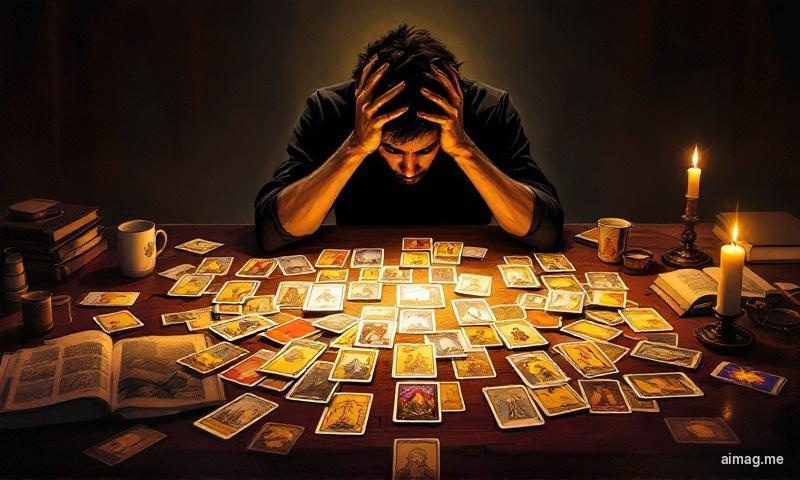
3. Fare troppe letture sulla stessa domanda
Peschi le carte riguardo alla nuova offerta di lavoro. La lettura è ambigua, o dice qualcosa che non vuoi sentire. Quindi mescoli e peschi di nuovo. E ancora. Alla terza lettura hai nove carte sul tavolo e ti senti peggio di prima.
Questo è il bias di conferma in azione — la tendenza a continuare a cercare informazioni finché non si trovano prove che supportano ciò in cui già si crede (o si vuole credere). Kahneman descrive questo come uno dei bias più persistenti nella cognizione umana: una volta che cerchi una risposta specifica, interpreterai i dati ambigui come a supporto di quella risposta, il che significa che letture aggiuntive non forniscono chiarezza. Forniscono altro materiale grezzo su cui il tuo bias può lavorare.
La correzione: Una lettura per domanda. Punto. Se la prima lettura non è chiara, scrivila e siediti con essa per almeno ventiquattro ore. La chiarezza arriva quasi sempre con il tempo, non con carte aggiuntive. Se senti il bisogno di continuare a pescare, quella compulsione stessa è un'informazione — di solito significa che conosci già la risposta e non ti piace. La carta a cui resisti è la carta di cui hai bisogno.
4. Avere paura delle carte "negative"
La carta della Morte. La Torre. Il Diavolo. Il Dieci di Spade. Per i principianti, queste carte provocano autentica ansia. "Sta per succedere qualcosa di terribile." Questa paura è così comune che tiene alcune persone lontane dai tarocchi del tutto.
Ecco la verità: non esistono carte negative. Ogni carta del mazzo descrive un'esperienza psicologica che fa parte dell'essere umano. La Morte descrive la trasformazione — la fine necessaria che precede ogni nuovo inizio. La Torre descrive il momento in cui una struttura falsa crolla, il che è doloroso ma in ultima analisi liberatorio. Il Diavolo descrive gli schemi e gli attaccamenti che potresti liberare se lo scegliessi. Il Dieci di Spade descrive il fondo che è allo stesso tempo il punto in cui le cose non possono che migliorare.
La paura delle carte "negative" è radicata in quello che gli psicologi chiamano catastrofizzazione — la distorsione cognitiva di interpretare le informazioni ambigue nel peggiore dei modi possibili. Quando vedi una carta con immagini drammatiche e presumi che significhi un disastro, stai catastrofizzando. La carta non prevede la tua rovina. Ti sta chiedendo di guardare onestamente un aspetto specifico della tua esperienza.
La correzione: Quando appare una carta "spaventosa", nota la tua paura senza agire su di essa. Poi chiedi: cosa mi sta mostrando davvero questa carta? Non lo scenario peggiore. La situazione psicologica reale che descrive. La carta della Morte in una lettura sulla tua carriera non significa che sarai licenziato. Significa che qualcosa nella tua identità professionale sta finendo per fare spazio a qualcosa di nuovo. Non è spaventoso. È utile.
5. Ignorare la tua prima reazione
Giri una carta e pensi immediatamente: "Questa riguarda mia sorella." Poi cerchi il significato, leggi che la carta rappresenta tradizionalmente qualcosa di completamente diverso, e ignori la tua risposta iniziale come sbagliata. Questo è un errore. La tua prima reazione — quella che emerge prima che la mente razionale si attivi — è la risposta psicologicamente più onesta della lettura.
La ricerca sulla mindfulness dimostra che la nostra prima percezione pre-analitica spesso cattura informazioni che l'analisi deliberata perde. Questo perché la risposta iniziale proviene dal riconoscimento dei pattern — un processo rapido e inconscio che integra più punti di dati di quanti il ragionamento consapevole possa contenere contemporaneamente. Quando giri il Sei di Coppe e pensi immediatamente alla tua infanzia, non è un'associazione casuale. È la tua mente inconscia che riconosce la connessione prima che la tua mente consapevole abbia finito di leggere la carta.
La correzione: Scrivi la tua prima reazione prima di fare qualsiasi altra cosa. Prima di consultare un manuale. Prima di cercare di capire "cosa significa davvero la carta." Quella risposta istintiva è un dato. Potrebbe non essere la lettura completa, ma è quasi sempre la parte più importante.
6. Usare stese complesse troppo presto
Hai due settimane di pratica con i tarocchi e provi la Croce Celtica — dieci carte, dieci posizioni, decine di relazioni tra le carte da interpretare. Venti minuti dopo fissi un tavolo pieno di carte, sopraffatto, senza capire nulla, e ti senti un fallimento.
Le stese complesse non sono migliori di quelle semplici. Sono più dettagliate, che non è la stessa cosa. Una stesa a tre carte fatta con piena attenzione e autentico coinvolgimento emotivo produce più intuizioni di una stesa a dieci carte fatta con confusione e ansia. La Croce Celtica è uno strumento bellissimo, ma è uno strumento per chi sa già interpretare le singole carte e capisce come le carte in relazione modifichino i significati reciproci.
La correzione: Resta con le estrazioni di una sola carta e le stese a tre carte per i tuoi primi tre mesi. Non è una limitazione — è una base. Padroneggia l'arte di leggere una carta in profondità prima di provarne dieci insieme. Quando una singola carta riesce costantemente a produrre una lettura che sembra genuina e utile, sei pronto ad aggiungere complessità. Non prima.
7. Trattare le carte come previsione, non come riflessione
"Dimmi cosa succederà." Questo inquadramento trasforma ogni lettura in un test da superare o bocciare. O le carte predicono correttamente, nel qual caso i tarocchi "funzionano", oppure no, nel qual caso sono assurdità. Questo pensiero binario perde completamente il punto.
I tarocchi non ti mostrano cosa accadrà. Ti mostrano cosa sta accadendo — dentro di te, nella tua situazione, negli schemi e nelle dinamiche attualmente attive. Una carta sul tuo futuro non è una previsione. È una proiezione di dove l'energia attuale sta andando se non cambia nulla. È un riflesso di ciò che stai costruendo, avvicinando o evitando. Il futuro non è fisso. La lettura è una fotografia del presente vista da un'angolazione che la tua prospettiva normale non fornisce.
Questa distinzione conta psicologicamente perché la previsione crea passività (accadrà indipendentemente da quello che faccio) mentre la riflessione crea agentività (posso vedere lo schema e scegliere la mia risposta). Il secondo inquadramento non è solo più accurato rispetto a come funzionano davvero i tarocchi — è anche più utile.
La correzione: Sostituisci "cosa accadrà" con "cosa sta accadendo." Sostituisci "cosa dovrei fare" con "cosa non sto vedendo." Questi spostamenti ti portano dalla ricerca di previsioni alla comprensione di sé, che è dove i tarocchi consegnano davvero.
8. Non scrivere nulla
Fai una lettura. Sembra significativa. Annuisci, metti via le carte e vai avanti. Tre giorni dopo non riesci a ricordare quali carte hai pescato né cosa hai interpretato. La lettura evapora, e con essa tutto ciò che avresti potuto imparare.
Non è un problema dei tarocchi. È un problema di memoria. Il cervello umano è spettacolarmente scarso nel conservare esperienze non registrate nella loro forma originale. I ricercatori della memoria descrivono sette modi fondamentali in cui la memoria fallisce, tra cui la transienza (la dissolvenza dei ricordi nel tempo) e il bias (la distorsione inconscia dei ricordi per adattarli alle credenze attuali). Entrambi sono all'opera quando cerchi di ricordare una lettura senza appunti. Entro una settimana, avrai dimenticato le carte, ricordato male la tua interpretazione e riscritto il tono emotivo della lettura per adattarlo al tuo umore attuale.
La correzione: Tieni un diario dei tarocchi. Non deve essere elaborato — data, domanda, carte, una frase sulla tua reazione. È sufficiente. L'atto di scrivere ti costringe ad articolare la tua interpretazione, e il registro scritto ti consente di rivedere le letture passate e scoprire pattern che altrimenti sarebbero invisibili. Per una guida completa per iniziare, vedi il nostro articolo sul diario dei tarocchi.

9. Confrontare le tue letture con quelle degli altri
Guardi un lettore di tarocchi su YouTube pescare la stessa carta che hai appena pescato, e la sua interpretazione è completamente diversa dalla tua. Vede ottimismo dove tu hai visto cautela. Lo collega all'amore dove tu lo hai collegato alla carriera. Presumi che abbia ragione e che tu abbia torto, perché sembra più sicuro, più esperto, più articolato.
Questo confronto è una trappola. Due persone possono pescare la stessa carta per domande diverse e ottenere letture completamente diverse — ed entrambe ugualmente valide. È così che funzionano i tarocchi. Le carte sono specchi simbolici, e quello che vedi in uno specchio dipende da chi sta guardando. La tua lettura è modellata dalla tua domanda, dal contesto della tua vita, dal tuo stato emotivo e dal tuo rapporto con le immagini della carta. Nessuna di queste variabili è uguale per chiunque altro.
Il meccanismo psicologico qui è la teoria del confronto sociale: gli esseri umani valutano le proprie capacità confrontandosi con gli altri, specialmente quando gli standard obiettivi sono ambigui. L'interpretazione dei tarocchi non ha standard obiettivi. Non esiste una lettura "corretta" con cui misurare la tua. L'unica valutazione valida è se la lettura ha prodotto vera comprensione di sé per chi l'ha fatta.
La correzione: Smetti di guardare le letture degli altri come misura della tua abilità. Guardali per ispirazione o intrattenimento, ma non usarli come pagella. La tua lettura è valida se è stata onesta, ponderata e connessa alla tua domanda reale e alla tua vita. La lettura di qualcun altro è valida per le stesse ragioni. Le due cose non hanno nulla a che fare l'una con l'altra.
Lo schema dietro tutti e nove gli errori
Se guardi questi nove errori come un gruppo, emerge un unico tema: tutti sono strategie per evitare il disagio di non sapere. Memorizzare i significati evita il disagio di guardare un'immagine sconosciuta e fidarsi della propria risposta. Chiedere degli altri evita il disagio di guardarsi dentro. Le letture ripetute evitano il disagio di stare con una risposta che non piace. Aver paura delle carte negative evita il disagio di affrontare verità difficili. Ignorare la prima reazione evita il disagio di fidarsi dell'istinto invece di un libro. Le stese complesse evitano il disagio di una singola carta che ti fissa senza dove nascondersi. Cercare previsioni evita il disagio di assumersi la responsabilità delle proprie scelte. Saltare il diario evita il disagio della responsabilità. Confrontarsi con gli altri evita il disagio di sviluppare il proprio standard.
I tarocchi sono una pratica di stare con il non-sapere finché la comprensione arriva. È scomodo. È così che deve essere. Ogni errore in questo elenco è un tentativo di abbreviare il disagio, e ogni scorciatoia rende la pratica meno efficace.
La buona notizia: ogni errore in questo elenco è correggibile. Non cercando di fare di più, ma facendo di meno — meno memorizzazione, meno controllo, meno confronto, meno ricerca di rassicurazione. La migliore lettura dei tarocchi avviene quando peschi una carta, la guardi onestamente, senti ciò che suscita e scrivi quello che trovi. Tutto il resto è rumore.
Domande frequenti
È normale sentirsi confusi durante una lettura?
Sì, completamente. La confusione non è un segnale che stai sbagliando — è una parte naturale del processo interpretativo. Quando una carta non ha immediatamente senso, la tua mente inconscia sta lavorando sulla connessione prima che quella consapevole si sia aggiornata. Scrivi la confusione. Torna ad essa tra qualche giorno. Il significato spesso arriva retroattivamente, dopo che la situazione a cui la carta si riferiva si è sviluppata ulteriormente. I lettori esperti si sentono confusi regolarmente. La differenza è che hanno imparato a starci invece di forzare un'interpretazione.
Cosa devo fare quando pesco una carta che mi spaventa?
Pausa. Nota la paura senza agire su di essa. Poi chiediti: cosa mi spaventa specificamente di questa carta? È l'immagine? È un significato che ho letto da qualche parte? È una situazione nella mia vita che non voglio affrontare? La paura riguarda quasi sempre ciò che porti alla carta, non ciò che la carta porta a te. La carta della Morte non significa morte fisica. La Torre non significa che la tua vita crollerà. Il Diavolo non significa che sei intrappolato. Queste carte descrivono esperienze psicologiche che tutti hanno. Stare con il disagio che producono è esattamente il tipo di autoconsapevolezza che i tarocchi sono progettati per sviluppare.
Quante volte devo leggere il significato sul manuale?
Leggilo una volta per il contesto. Poi metti via il libro e guarda la carta. Nel tempo, scoprirai che le tue associazioni personali con una carta diventano più utili di qualsiasi definizione da manuale. Il libro ti dice cosa ha significato tradizionalmente la carta. La tua esperienza ti dice cosa significa per te. Entrambe sono valide, ma la tua è quella che fa sembrare le letture vive e rilevanti. Usa il manuale come punto di partenza, non come risposta definitiva.
Quando dovrei iniziare a leggere per gli altri?
Quando riesci a produrre costantemente letture per te stesso che sembrano genuine e perspicaci — il che di solito richiede da tre a sei mesi di pratica regolare. Leggere per gli altri aggiunge un livello di complessità: devi tradurre il messaggio della carta nel contesto di vita di un'altra persona, il che richiede prima un solido rapporto personale con le carte. Non c'è fretta. La base che costruisci leggendo per te stesso determina direttamente la qualità delle letture che farai eventualmente per gli altri.
Ogni lettore di tarocchi esperto ha fatto la maggior parte di questi errori quando ha iniziato. La differenza tra chi smette e chi sviluppa vera abilità non è evitare gli errori — è riconoscerli, capire perché accadono e adattarsi. I tarocchi non sono un test in cui si può fallire. Sono una pratica che si affina. Ogni lettura che sembra piatta o confusa non è un fallimento — è un feedback. Presta attenzione al feedback. Lascia che sia la curiosità a guidare invece della certezza. Le carte non richiedono perfezione. Richiedono onestà. Inizia da lì, e il resto segue.