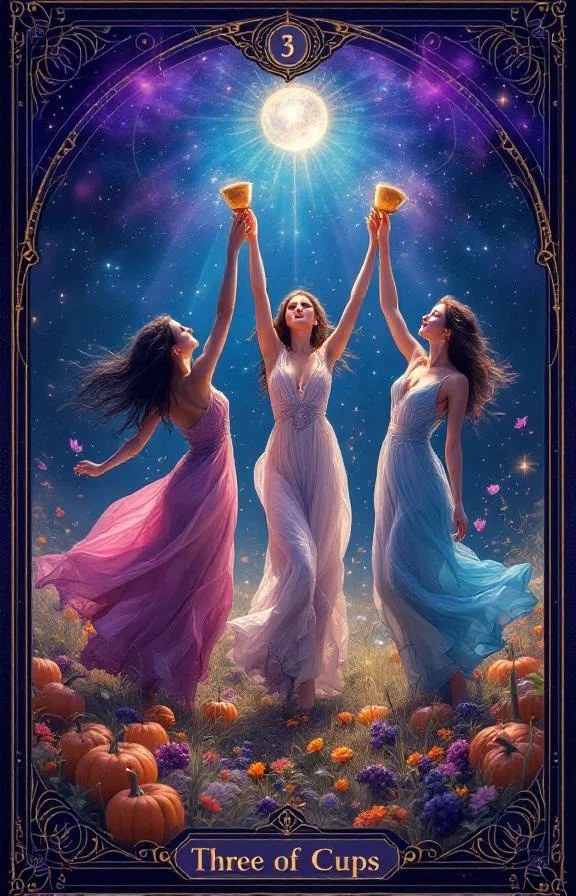
Amor é a pergunta que as pessoas mais levam ao tarô — mais do que carreira, dinheiro, saúde ou propósito. Não porque o amor seja a coisa mais importante da vida (embora possa ser), mas porque o amor é a coisa que a gente pior enxerga enquanto está dentro dele. O coração tem sua própria lógica, e essa lógica nem sempre é racional, nem sempre é gentil, e quase nunca é transparente para quem a está vivendo.
Uma tiragem de tarô para o amor não prevê se alguém vai se apaixonar por você, se seu ex vai voltar ou se seu relacionamento vai durar para sempre. O que ela faz — e isso é mais valioso do que previsão — é iluminar as dinâmicas emocionais que estão realmente em jogo na sua situação. Ela mostra o que você está trazendo para o amor, o que o amor está trazendo para você, e onde a lacuna entre os dois cria a tensão, o anseio e a confusão que te levaram às cartas em primeiro lugar.
Estas cinco tiragens foram projetadas para diferentes fases e perguntas dentro do panorama do amor. Escolha a que corresponde a onde você está, não a onde deseja estar.
Em resumo: As tiragens de tarô para o amor iluminam as dinâmicas emocionais que você não consegue ver enquanto está dentro delas — o que você traz para o amor, o que o amor traz para você, e onde a lacuna cria tensão. Cinco layouts cobrem check-ins de relacionamento, solteiros em busca de conexão, a decisão de ficar ou ir, verificações de realidade sobre amor novo e amor próprio como fundação de tudo. As cartas mostram energias e padrões, não resultados predeterminados.
1. O Check-In de Relacionamento (5 Cartas)
Para casais que querem entender o estado atual do relacionamento — não em crise, não em conflito, apenas no desejo honesto de ver claramente o que estão construindo juntos.
| Posição | Significado |
|---|---|
| 1 | Sua energia atual no relacionamento |
| 2 | A energia atual do seu parceiro |
| 3 | O ponto forte atual do relacionamento |
| 4 | O desafio atual do relacionamento |
| 5 | Para onde o relacionamento está caminhando |
Como ler: Comece com as Posições 1 e 2 lado a lado. Elas se complementam? Contradizem? A energia de uma pessoa é dramaticamente diferente da outra? Essa comparação sozinha muitas vezes revela o insight central da leitura. Depois leia a Posição 3 como o que está funcionando, a Posição 4 como o que precisa de atenção, e a Posição 5 como a trajetória se as dinâmicas atuais continuarem sem mudanças.
Padrões comuns: Quando a Posição 1 e a Posição 2 mostram cartas de naipes diferentes — digamos, Copas para um parceiro e Espadas para o outro — o desafio do relacionamento muitas vezes é uma diferença na linguagem emocional, não uma diferença de comprometimento. Um parceiro opera através do sentimento, o outro através do pensamento, e o atrito entre eles não é conflito, mas dificuldade de tradução.

2. A Tiragem dos Solteiros (4 Cartas)
Para quem não está em um relacionamento no momento e quer entender sua energia romântica, padrões e perspectivas.
| Posição | Significado |
|---|---|
| 1 | Sua energia romântica atual — o que você está irradiando |
| 2 | O que está te bloqueando do amor |
| 3 | O que você precisa liberar ou mudar |
| 4 | O que está vindo em sua direção |
Como ler: A Posição 1 é o espelho — ela mostra não o que você acha que está projetando para o mundo, mas o que você está realmente irradiando. Uma Rainha de Espadas aqui pode significar que você está projetando independência e frieza quando na verdade quer calor. Um Dois de Copas aqui significa que sua energia já está aberta para a conexão.
A Posição 2 é o cadeado. Esta carta identifica o obstáculo real — não o superficial "estou muito ocupado" ou "não há boas pessoas sobrando", mas o bloqueio mais profundo: medo de vulnerabilidade, luto não processado de um relacionamento passado, um padrão inconsciente de escolher parceiros indisponíveis.
A Posição 3 é a chave. Ela te diz o que liberar — a crença, o hábito ou o apego que mantém o bloqueio.
A Posição 4 é o horizonte. Não uma previsão de pessoa específica (o tarô não funciona assim), mas a energia ou qualidade da experiência romântica que está se movendo em sua direção quando o bloqueio se dissipa.
3. A Tiragem "Devo Ficar ou Devo Ir?" (6 Cartas)
Para a pergunta mais dolorosa do amor: se continuar investindo em um relacionamento que está em dificuldades, ou reconhecer que partir é a escolha mais saudável.
| Posição | Significado |
|---|---|
| 1 | O verdadeiro estado atual do relacionamento |
| 2 | Como é ficar — o caminho do comprometimento |
| 3 | Como é partir — o caminho da saída |
| 4 | O que seu coração realmente quer (não o que sua mente diz) |
| 5 | O que você tem medo de admitir |
| 6 | O que esta situação está te ensinando |
Como ler: Esta tiragem é intencionalmente não prescritiva. Ela não te diz para ficar ou ir. Ela ilumina ambos os caminhos e então te força a confrontar as verdades emocionais que você pode estar evitando.
A Posição 5 é o centro psicológico da tiragem — a coisa que você já sabe, mas não se permitiu dizer. Pode ser que você sabe que o relacionamento acabou e está ficando por medo. Pode ser que você sabe que ama essa pessoa e está considerando partir por orgulho. Seja o que for que a Posição 5 revelar, é a verdade em torno da qual o resto da leitura orbita.
A Posição 6 reenquadra toda a situação como uma lição em vez de um problema. Todo relacionamento, quer dure ou termine, te ensina algo sobre quem você é e o que você precisa. Esta carta nomeia essa lição.
4. A Tiragem do Amor Novo (3 Cartas)
Para o estágio inicial, intoxicante e aterrorizante de uma nova conexão romântica — quando tudo parece possível e nada parece certo.
| Posição | Significado |
|---|---|
| 1 | A energia entre vocês — do que essa conexão é realmente feita |
| 2 | O que está por baixo da superfície — o que você ainda não está vendo |
| 3 | O potencial dessa conexão — para onde ela poderia ir se nutrida |
Como ler: Mantenha simples. A Posição 1 é a faísca — essa conexão é construída em compatibilidade genuína, atração física, ressonância emocional ou estimulação intelectual? O naipe da carta muitas vezes revela a resposta. Copas = vínculo emocional. Paus = paixão e energia. Ouros/Pentáculos = compatibilidade prática. Espadas = conexão mental.
A Posição 2 é a verificação de realidade. O amor novo é famosamente ruim em enxergar com clareza. Esta carta mostra o que a névoa da infatuação está obscurecendo — talvez a disponibilidade emocional da outra pessoa, sua própria tendência de idealizar, ou uma incompatibilidade prática que a química está temporariamente escondendo.
A Posição 3 é a possibilidade, não a promessa. Ela mostra para onde essa conexão poderia ir se ambas as pessoas aparecerem honestamente. Não é uma garantia, mas um vislumbre do teto.
5. A Tiragem do Amor Próprio (3 Cartas)
Para a pergunta que está por baixo de todas as outras perguntas de amor: qual é seu relacionamento com você mesmo?
| Posição | Significado |
|---|---|
| 1 | Como você se vê atualmente |
| 2 | Como você merece ser amado |
| 3 | Um passo em direção a amar-se melhor |
Como ler: Esta é a tiragem de amor mais importante deste guia, e a maioria das pessoas vai pular em favor das outras. Esse instinto — de olhar para fora em busca de amor antes de olhar para dentro — é exatamente o que esta tiragem aborda.
A Posição 1 mostra sua autoimagem atual. Não o seu eu público cuidadosamente curado, mas a avaliação privada que você carrega. Uma carta invertida aqui muitas vezes indica autocrítica ou autopercepção distorcida.
A Posição 2 é o espelho da verdade. Ela mostra a qualidade de amor que você merece — que quase sempre é melhor do que a qualidade que você tem aceitado. Quando esta posição mostra uma carta dramaticamente mais positiva do que a Posição 1, a lacuna entre elas é a ferida em torno da qual todos os seus padrões românticos estão organizados.
A Posição 3 é um único passo prático. Não "aprenda a se amar" como instrução abstrata, mas uma ação ou mudança concreta que te move em direção ao tipo de autorrespeito que torna o amor saudável possível.

Dicas para Leituras de Amor
1. Não faça leituras sobre uma pessoa específica sem o consentimento dela. O tarô lê sua situação, não a mente de outra pessoa. "O que ele está pensando?" não é uma pergunta que o tarô pode responder ética ou com precisão. Em vez disso, pergunte: "O que eu preciso entender sobre essa conexão?"
2. Cuidado com o viés de confirmação. Se você quer desesperadamente uma resposta específica, vai encontrá-la em qualquer carta. Antes de ler, faça três respirações profundas e estabeleça a intenção: "Mostre-me o que preciso ver, não o que quero ver."
3. Escolha bem o momento para suas leituras de amor. Não faça leituras quando estiver no meio de uma crise de coração partido, ciúmes ou infatuação. Seu estado emocional vai colorir cada interpretação. Espere até poder ler com alguma distância — mesmo algumas horas de calma podem melhorar dramaticamente a clareza.
4. Revisit suas leituras de amor após um mês. As leituras de amor muitas vezes fazem mais sentido em retrospecto. O que parecia confuso na época frequentemente fica óbvio depois que a situação se desdobra. Anotar suas leituras em um diário cria um registro que te ensina sobre seus próprios padrões.
5. Use as leituras de amor como convites, não como veredictos. As cartas estão mostrando energias, dinâmicas e possibilidades — não o destino. Uma leitura de amor desafiadora não é uma previsão de perdição. É um convite para crescer, mudar, abordar o amor de forma diferente. O futuro da sua vida amorosa é moldado pelo que você faz com o insight, não pelas cartas em si.
Perguntas Frequentes
O tarô pode prever minha alma gêmea?
O tarô não identifica pessoas específicas. Ele ilumina as energias, qualidades e dinâmicas da sua situação romântica. Uma carta como o Dois de Copas em uma posição futura não significa que sua alma gêmea chega na próxima terça-feira — significa que a energia de conexão profunda e mútua está disponível para você se você estiver aberto a ela. A tradução de energia para pessoa acontece na vida, não nas cartas.
Qual tiragem é melhor para um término?
A tiragem "Devo Ficar ou Devo Ir?" (Tiragem 3 acima) foi projetada exatamente para esta situação. Se o término já aconteceu, use a Tiragem do Amor Próprio (Tiragem 5) para entender o que o relacionamento te ensinou e como seguir em frente. Evite fazer leituras sobre seu ex — foque em você mesmo e na sua própria cura.
Com que frequência devo fazer uma leitura de amor?
Para um relacionamento em andamento: mensalmente no máximo. Para uma situação aguda: uma vez, depois espere pelo menos duas semanas antes de ler de novo sobre a mesma pergunta. A tentação de fazer leituras diárias sobre uma situação romântica é um sinal de que você precisa se afastar das cartas e sentar com os sentimentos em vez de terceirizar o processamento emocional para o baralho.
Posso ler para mim e para o meu parceiro?
Você pode ler sua própria perspectiva usando qualquer uma dessas tiragens. Para a perspectiva do seu parceiro (Posições 2 no Check-In de Relacionamento e na Tiragem do Amor Novo), entenda que a carta representa sua percepção da energia deles, filtrada pela sua própria lente emocional. É útil, mas não é objetiva.
E perguntas sobre gravidez ou planejamento familiar?
Se sua leitura é sobre fertilidade, gravidez ou começar uma família, as tiragens de amor padrão não são a ferramenta certa. Consulte nosso guia sobre cartas de tarô que significam gravidez para as cartas e tiragens específicas projetadas para essas perguntas.
O coração quer o que quer — e também teme o que quer, contradiz o que quer, e às vezes não sabe o que quer até uma carta virar e nomear isso. O tarô de amor não é adivinhação. É cartografia emocional — o mapeamento de um território que você está percorrendo no escuro, usando a luz de cartas que têm iluminado o mesmo terreno humano por séculos. O mapa não substitui a jornada. Mas pode mostrar onde ficam os penhascos, onde os caminhos convergem, e onde o chão sob seus pés é mais sólido do que seu medo sugere.
Experimente uma leitura gratuita com IA em aimag.me/reading
Leituras Relacionadas
- Tiragem de tarô para relacionamentos: layouts para casais, vínculos e dinâmicas complexas — estruturas de tiragem adicionais para leituras de relacionamento além do foco no amor
- Significado da carta dos Amantes no tarô — a carta central do amor nos Arcanos Maiores: valores, alinhamento e a psicologia da escolha genuína
- Tarô e estilos de apego: como seus padrões de vínculo aparecem nas suas leituras — a camada psicológica por baixo das tiragens de amor: como a teoria do apego se mapeia nas cartas
- Melhor tiragem de tarô para amor: escolhendo o layout certo para sua pergunta — uma comparação curada dos tipos de tiragem de amor combinada com perguntas específicas de relacionamento