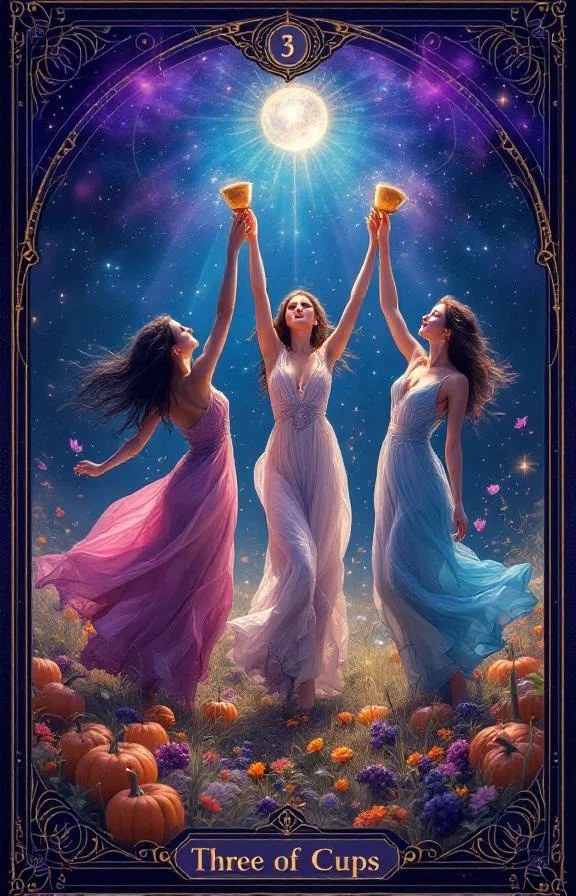
Se você nasceu entre 20 de abril e 20 de maio, descobriu cedo algo que leva meia vida para outras pessoas aprenderem: o mundo é físico. Não é uma ideia. Não é um conceito para debater em jantares. Físico — o peso de uma caneca de cerâmica nas suas mãos, pão assando no quarto ao lado, um saldo bancário em que você pode confiar. Touro vive no corpo. Touro vive naquilo que se pode tocar. E isso não é uma limitação. É um tipo de inteligência que pessoas que vivem principalmente na cabeça subestimam sistematicamente.
Touro é o segundo signo do zodíaco. Elemento terra, regido por Vênus, modalidade fixa — plantado bem no meio estável da sua estação. Onde Áries inicia, Touro consolida. Onde Áries pergunta "o que vem a seguir?", Touro pergunta "o que dura?" Paciência. Sensualidade. Segurança material. Uma teimosia tão absoluta que alimenta todas as piadas astrológicas já escritas. Mas teimosia é apenas o lado oposto de algo mais interessante: uma recusa de abandonar o que funciona em favor do que é meramente emocionante. Um instinto de preservação que a maioria das pessoas só desenvolve depois de perder algo que deveria ter guardado.
As cartas do tarô ligadas a Touro refletem essa psicologia com precisão impressionante. Não são cartas de aventura ou transformação. São cartas de valores, estrutura, abundância e o espaço complicado entre segurar e apertar demais.
Em resumo: O Hierofante é a carta de tarô principal de Touro, refletindo o profundo respeito do signo pela tradição, pela sabedoria acumulada e pelas estruturas testadas pelo tempo. As cartas de apoio incluem o Ás de Ouros (inícios concretos), a Rainha de Ouros (abundância conquistada), o Quatro de Ouros (a sombra de segurar demais) e A Imperatriz (sensualidade regida por Vênus). O Spread Raízes e Crescimento ajuda Touro a examinar o que está construindo, o que precisa de poda e onde o crescimento é possível sem sacrificar a estabilidade.
O Hierofante — a carta do tarô para Touro
Se você já pesquisou "qual carta do tarô representa Touro", a resposta é O Hierofante. A carta cinco do Arcano Maior. Uma figura religiosa sentada entre dois pilares, uma mão erguida em bênção, dois acólitos ajoelhados diante dele. Sua primeira reação provavelmente é: isso não me parece.
Essa reação diz algo, porque a maioria das pessoas lê O Hierofante errado. Veem a iconografia religiosa e pensam que a carta é sobre religião. Veem o ambiente institucional e pensam em instituições. Veem a figura de autoridade e pressupõem obediência. Nada disso está exatamente errado, mas tudo está incompleto.
O Hierofante fala sobre como o significado é transmitido. Tradição — não como repetição mecânica, mas como sabedoria acumulada. Quando sua avó te ensinou a receita dela e insistiu que você seguisse cada passo à risca, ela estava sendo uma Hierofante. Quando você sente atração por rituais que outros consideram ultrapassados — cartas escritas à mão, celebrações sazonais, rotinas matinais inalteradas por anos — isso é energia do Hierofante. A carta pergunta: o que você recebeu de quem veio antes de você, e o que está preservando para quem vem depois?
Para Touro, isso ressoa no nível mais profundo. Você mantém tradições. Valoriza o que foi testado pelo tempo. Confia no conhecido em detrimento do novo. Não é conservadorismo intelectual. É uma compreensão corporal de que algumas coisas persistem porque funcionam, e que derrubar uma estrutura antes de entender por que foi construída não é coragem — é descuido.
Há respaldo psicológico real para esse instinto. Pessoas com comportamentos de rotina consistentes relatam maior bem-estar, melhor regulação emocional e mais sensação de controle sobre suas vidas. Rotina não é o oposto da liberdade. Para o temperamento de Touro, a rotina é o alicerce que torna a liberdade possível.
O Hierofante invertido alerta sobre a mesma qualidade levada longe demais: dogmatismo, rigidez, a insistência de que o jeito antigo é o único jeito. Todo Touro conhece essa tensão. A linha entre "valorizo o que funciona" e "recuso considerar qualquer coisa nova" nem sempre é clara, e O Hierofante pede que você examine onde essa linha cai na sua própria vida.
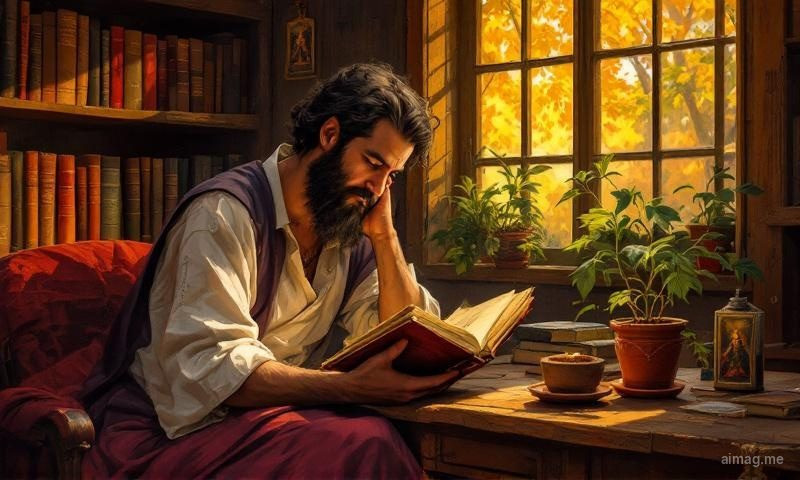
Cartas de apoio: a constelação de Touro no baralho
Nenhum signo é definido por uma única carta. A energia de Touro percorre todo o naipe de Ouros — o naipe da terra — mas algumas cartas têm peso particular.
Ás de Ouros — a semente de algo real
O Ás de Ouros é a carta do começo material. Uma mão emergindo de uma nuvem, oferecendo uma única moeda dourada sobre um jardim em flor. Para Touro, essa carta representa algo sagrado: o momento em que o potencial se torna tangível. Não o sonho de abrir um negócio, mas a primeira fatura paga. Não a ideia de comprar uma casa, mas a chave na sua mão.
Você sabe instintivamente que ideias são baratas. Execução é o que conta. O Ás de Ouros valida essa compreensão. Diz: sim, isso é real, e sim, pode crescer — mas somente se você cultivar com a paciência e a consistência que Touro faz melhor do que qualquer outro signo.
Rainha de Ouros — abundância com raízes
A Rainha de Ouros senta num jardim, rodeada de crescimento, segurando sua moeda dourada com uma facilidade que sugere que ela parou de se preocupar se haverá o suficiente faz tempo. Ela não é rica no sentido ansioso, agarrador. É rica no sentido estabelecido — a abundância que vem de construir algo sólido ao longo do tempo e saber que vai sustentá-la.
Para Touro, a Rainha de Ouros é ao mesmo tempo aspiração e realidade frequente. A pessoa que cria espaços confortáveis e bonitos. Que alimenta bem as pessoas. Que administra o dinheiro não com medo, mas com competência. A abundância da Rainha nunca é abstrata. É sempre encarnada — na qualidade da comida na mesa, na textura do cobertor no sofá, na saúde do jardim além da janela.
Quatro de Ouros — a sombra da segurança
Então temos o Quatro de Ouros, onde Touro encontra sua sombra. Uma figura sentada num banco abraçando um pentáculo ao peito, dois mais sob seus pés, um equilibrado sobre a cabeça. Segurando tudo. Desfrutando nada. A segurança que buscou se tornou uma prisão.
Essa é a carta do acúmulo — de recursos, emoções, controle. Aparece quando o saudável desejo de estabilidade de Touro azedou numa aversão à perda tão intensa que impede qualquer risco, qualquer generosidade, qualquer mudança. A pesquisa sobre aversão à perda nos diz que os seres humanos experimentam perdas aproximadamente duas vezes mais intensamente do que ganhos equivalentes. Para Touro, essa assimetria vai ainda mais fundo. A ideia de perder o que construiu pode parecer não apenas desagradável, mas existencialmente ameaçadora.
O Quatro de Ouros não condena essa resposta. Nomeia. E nomear — ver claramente numa carta à sua frente — é o primeiro passo para afrouxar o aperto.
A Imperatriz — Vênus tornada visível
A Imperatriz compartilha um regente com Touro: Vênus, o planeta da beleza, prazer, amor e valor. Onde O Hierofante representa sua relação com a tradição e a estrutura, A Imperatriz representa sua relação com o mundo sensorial — textura, sabor, cor, música, conforto físico. Fertilidade criativa. O corpo como fonte de sabedoria. Prazer que não precisa ser justificado.
Para Touro, A Imperatriz é um lembrete de que sua sensualidade não é indulgência. É percepção. Você nota coisas que outras pessoas passam por cima porque seus sentidos estão sintonizados no mundo físico de uma forma que produz conhecimento genuíno — conhecimento de qualidade, de artesanato, do que é real versus o que é meramente brilhante.
Touro no amor: lealdade, presença e a questão do ciúme possessivo
Touro no amor parece contraditório de fora, mas se sente perfeitamente consistente por dentro. Você é leal ao ponto da permanência. Demonstra amor por ações, não por palavras: cozinhando uma refeição, consertando algo quebrado, aparecendo de forma confiável na mesma hora no mesmo dia. Toque físico e atos de serviço. Você ama com as mãos.
A complicação é a possessividade. Touro cria vínculos profundos, e vínculos profundos criam um senso de propriedade que pode se tornar sufocante. O apego seguro se desenvolve quando uma pessoa confia que sua conexão vai durar sem monitoramento constante. Seu desafio no amor é construir essa confiança: aprender que o relacionamento é sólido o suficiente para sobreviver à distância, ao desentendimento e ao fato de a outra pessoa ter uma vida que não gira em torno de você.
A carta do tarô que fala mais diretamente a isso é o Quatro de Ouros em leituras de relacionamento. Quando aparece numa posição de amor, pergunta: você está abraçando seu parceiro ou se agarrando a ele? Há diferença, e Touro precisa aprender isso repetidamente, porque o instinto de proteger o que valoriza é tão profundo que opera abaixo da consciência.
O Rei de Ouros representa Touro no amor no seu melhor: um parceiro estável, confiável e generoso que expressa devoção criando uma vida de conforto e segurança compartilhados. Esse é o parceiro que lembra suas preferências, constrói um lar que parece um santuário e fica quando as coisas ficam difíceis — não por medo, mas por comprometimento genuíno.
Touro e a carreira: o jogo longo
Touro não quer disruptar indústrias. Touro quer construir algo que ainda esteja de pé daqui a vinte anos. Finanças, agricultura, artesanato, imóveis, artes culinárias — qualquer área onde o trabalho se acumula ao longo do tempo e a paciência de fato compensa.
O ódio à instabilidade é real e não deve ser subestimado. Um Touro que se sente financeiramente inseguro opera no modo de sobrevivência — reativo, rígido, desconectado da criatividade e da generosidade que caracterizam o signo no seu melhor. O Ás de Ouros numa leitura de carreira é profundamente encorajador para Touro porque confirma que o alicerce é sólido e que o investimento paciente trará retornos.
O que frequentemente passa despercebido é a sensibilidade artística de Touro. Vênus rege esse signo, e Vênus é o planeta da estética. Muitas pessoas de Touro são atraídas para o trabalho criativo — não o tipo caótico do gênio inspirado, mas o tipo do artesão habilidoso. Os músicos que praticam quatro horas por dia. Os chefs que refinam um único prato por meses. Os designers que obsessionam sobre materiais. A arte de Touro está sempre enraizada no ofício, na manipulação física de materiais reais em algo belo. Nunca puramente conceitual.

A sombra de Touro: o que o touro se recusa a ver
Todo signo tem uma sombra — forças levadas além do seu limite produtivo. Para Touro, a sombra tem vários rostos.
Teimosia que vira estagnação. Seu compromisso com o que funciona pode se tornar uma recusa de reconhecer quando algo parou de funcionar. O relacionamento que terminou anos atrás, mas você ainda não saiu. O emprego que te drena mas paga bem. A crença que te serviu aos vinte anos mas te constrange aos quarenta. O Hierofante invertido aparece nas leituras quando esse padrão está em ação — quando a tradição virou uma jaula em vez de um alicerce.
Materialismo que substitui significado. A saudável apreciação de Touro pela qualidade pode se tornar aquisição obsessiva. Quando o Quatro de Ouros aparece, frequentemente aponta para aqui: acumulação de coisas como substituto para acumulação de significado. Você está construindo uma fortaleza de conforto, mas esqueceu para que serve a fortaleza.
Vício em conforto. A sombra mais sutil. Touro busca conforto, e conforto com moderação é saudável. Mas conforto perseguido como um fim em si mesmo vira evitação. Você come para confortar em vez de nutrir. Fica na cama em vez de enfrentar a conversa difícil. Escolhe o medíocre conhecido em vez do excelente desconhecido porque o desconhecido exige desconforto, e desconforto é aquilo para o que Touro foi feito para resistir.
O Diabo fala diretamente a esse padrão. As figuras acorrentadas ao pedestal não estão presas por uma força externa. Estão presas pelo próprio apego ao prazer, ao conforto e à segurança — apego tão forte que não conseguem ver que as correntes estão frouxas. Para Touro, O Diabo é a carta de sombra mais importante do baralho, porque nomeia o mecanismo específico pelo qual seus pontos fortes se tornam suas armadilhas.
O Spread Raízes e Crescimento — um spread de tarô para Touro
Este spread de quatro cartas foi construído para o temperamento de Touro: firme, prático, focado no que é real e no que pode crescer a partir disso. Use quando precisar entender de onde vem sua estabilidade, o que a ameaça e onde o crescimento é possível sem sacrificar suas raízes.
Carta 1 — A Raiz. Coloque essa carta na base. Representa o alicerce da sua situação atual — o valor, recurso, relacionamento ou crença sobre o qual todo o resto se apoia. O que você está construindo a partir disso?
Carta 2 — O Tronco. Coloque acima da Carta 1. Representa sua abordagem atual — como você está mantendo e protegendo o que tem. Sua estratégia está funcionando? É sustentável? Você está cuidando do jardim ou apenas guardando a cerca?
Carta 3 — O Galho. Coloque à direita superior. Representa a oportunidade de crescimento disponível para você agora — a direção em que sua estabilidade poderia se expandir se você permitir. Essa carta frequentemente revela o que Touro está evitando porque crescimento exige mudança, e mudança exige desconforto.
Carta 4 — A Poda. Coloque à esquerda superior. Representa o que você precisa soltar para crescer. Jardineiros sabem que podar — cortar o que não é mais produtivo — é essencial para a saúde da planta. Essa carta nomeia o que você está segurando e que não está mais te servindo, mesmo que soltá-lo pareça perda.
Leia as cartas em sequência: raiz, tronco, galho, poda. A história que contam é a história do seu relacionamento atual com estabilidade e crescimento — a tensão central de toda vida de Touro.
Perguntas frequentes
Qual carta do tarô representa Touro?
O Hierofante (Arcano Maior V) é a carta de tarô principal associada a Touro. Reflete as qualidades fundamentais do signo: respeito pela tradição, a busca por significado por meio de sistemas estabelecidos e o desejo de preservar o que foi testado pelo tempo. As cartas de apoio incluem o Ás de Ouros, a Rainha de Ouros, o Quatro de Ouros e A Imperatriz — todas expressam facetas diferentes da personalidade de Touro.
O Hierofante é uma boa carta para Touro?
O Hierofante não é bom nem ruim — é preciso. Reflete tanto a maior força de Touro (a capacidade de encontrar e manter o que é valioso) quanto seu maior risco (rigidez, resistência à mudança). Na posição vertical, sugere que as estruturas estabelecidas estão te apoiando. Invertido, sugere que essas estruturas precisam ser questionadas.
Quais cartas do tarô Touro deve observar numa leitura?
Além do Hierofante, fique atento ao naipe de Ouros (especialmente o Ás, o Quatro, a Rainha e o Rei), A Imperatriz (regência compartilhada de Vênus) e O Diabo (que nomeia a sombra de Touro de apego e vício em conforto). Quando essas cartas aparecem, estão falando diretamente sobre sua relação com segurança, prazer e realidade material.
Posso usar tarô para a temporada de Touro mesmo sem ser Touro?
Absolutamente. A temporada de Touro (20 de abril a 20 de maio) ativa temas de Touro para todos — estabilidade, finanças, bem-estar físico, o que você valoriza e como protege isso. Tirar O Hierofante ou cartas de Ouros durante esse período frequentemente reflete a ênfase da temporada em aterramento e consolidação, independentemente do seu signo de nascimento.
Suas raízes são reais — e seu crescimento também é
Touro é caricaturado como o signo que odeia mudança. Há verdade na caricatura — você não muda facilmente, e não finge o contrário. Mas a verdade mais profunda é que Touro não odeia mudança. Touro odeia mudança sem sentido. Mudança que destrói o que funciona sem oferecer algo melhor. Mudança pela novidade. Mudança que ignora o custo do que se perde.
As cartas do tarô associadas a Touro honram essa distinção. O Hierofante diz: seus valores importam. A Rainha de Ouros diz: sua abundância é conquistada. O Ás de Ouros diz: novos começos podem ser sólidos. E o Quatro de Ouros diz: mas verifique seu aperto.
Se você é Touro em busca de orientação que respeite tanto sua estabilidade quanto sua capacidade de crescimento, uma leitura de tarô pode servir como esse espelho — refletindo não o que você quer ouvir, mas o que realmente está lá.
Experimente uma leitura personalizada e veja quais das suas cartas de Touro aparecem. O baralho conhece suas raízes. Pode também saber onde você está pronto para crescer.