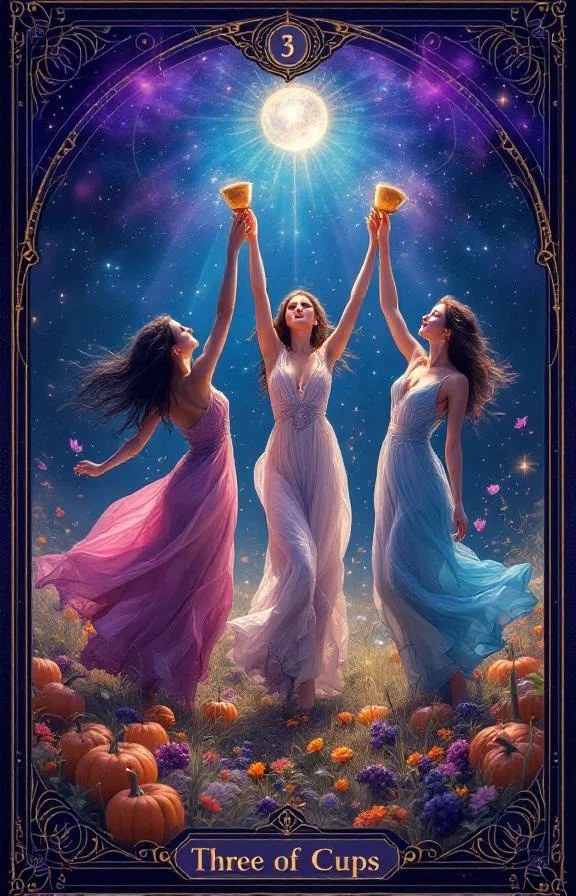
I 22 Arcani Maggiori si sovrappongono al viaggio dell'eroe di Joseph Campbell con una precisione che è o una coincidenza straordinaria o la prova che entrambi i sistemi descrivono lo stesso schema fondamentale di crescita psicologica umana. Il Matto parte da dove parte l'eroe — alla soglia dell'ignoto. Il Mondo arriva dove l'eroe ritorna — trasformato, integrato, portando con sé il dono dell'esperienza verso la vita ordinaria.
In sintesi: I 22 Arcani Maggiori dei tarocchi rispecchiano il monomito di Joseph Campbell — lo schema narrativo universale di partenza, iniziazione e ritorno. Questa mappatura è radicata nella teoria dell'individuazione di Carl Jung e nella ricerca sull'identità narrativa di Dan McAdams, suggerendo che sia i tarocchi che il viaggio dell'eroe descrivono la stessa struttura profonda della crescita psicologica.
Perché il viaggio dell'eroe è psicologicamente importante
Campbell pubblicò L'eroe dai mille volti nel 1949. La sua tesi: i miti di ogni cultura condividono una struttura narrativa comune. Un eroe parte dal mondo ordinario, affronta prove e trasformazioni in un regno soprannaturale, e ritorna portando un dono che beneficia la comunità. Chiamò questo schema il monomito.
Campbell fu profondamente influenzato da Jung, il cui concetto di individuazione — il processo lungo tutta la vita di integrare conscio e inconscio in un sé unificato — fornisce il motore psicologico al di sotto del viaggio dell'eroe. Le prove dell'eroe non sono avventure esterne. Sono rappresentazioni simboliche di un lavoro interiore: affrontare l'ombra, integrare l'anima/animus, incontrare il Sé.
Dan McAdams, lo psicologo della personalità alla Northwestern, ha esteso tutto ciò alla scienza contemporanea con la sua teoria dell'identità narrativa. La sua ricerca — che abbraccia decenni e migliaia di storie di vita — dimostra che la salute psicologica è fortemente correlata alla capacità di costruire una storia coerente e significativa della propria vita. Una storia che integri sofferenza e trionfo in qualcosa che abbia senso.
Il collegamento cruciale: le persone che riescono a collocarsi all'interno di un arco narrativo significativo — che sanno dire "sono nella fase delle prove" o "sto attraversando la soglia del ritorno" — affrontano le avversità meglio di chi vive gli eventi come casuali o privi di senso.
Il viaggio dell'eroe non è solo un modello mitico. È una tecnologia psicologica per la creazione di significato. E i tarocchi, mappati sulle sue fasi, forniscono un vocabolario visivo concreto per fare questo lavoro.
La mappatura completa: gli Arcani Maggiori come fasi del viaggio dell'eroe
Il viaggio di Campbell ha tre movimenti principali — Partenza, Iniziazione, Ritorno — suddivisi in diciassette fasi. I 22 Arcani Maggiori si distribuiscono lungo questi con alcune carte che coprono un'intera fase, altre che segnano le transizioni.

Parte I: La Partenza (Carte 0-VII)
La partenza copre il movimento dell'eroe dalla vita ordinaria verso l'avventura. Il risveglio, la chiamata e l'attraversamento della prima soglia.
| Fase di Campbell | Arcano Maggiore | Collegamento |
|---|---|---|
| Il Mondo Ordinario | — | Lo stato pre-storia prima che il Matto faccia il primo passo |
| La Chiamata all'Avventura | 0 — Il Matto | Il salto nell'ignoto, lo zaino in spalla, il precipizio davanti |
| Il Rifiuto della Chiamata | (tensione interna nel Matto) | Il momento di esitazione prima del passo |
| L'Aiuto Soprannaturale | I — Il Mago | La figura del mentore che fornisce strumenti e conoscenza |
| L'Attraversamento della Prima Soglia | II — La Papessa | Il passaggio tra noto e ignoto, tra conscio e inconscio |
| Il Ventre della Balena | III — L'Imperatrice, IV — L'Imperatore | L'immersione nel nuovo mondo — nelle sue dimensioni nutriente (Imperatrice) e strutturale (Imperatore) |
| V — Il Papa | L'incontro con la saggezza consolidata, la tradizione, la conoscenza istituzionale | |
| VI — Gli Amanti | La prima grande scelta — il bivio che definisce il percorso dell'eroe | |
| VII — Il Carro | Il movimento volitivo in avanti attraverso gli ostacoli, la prima padronanza |
Il Matto è la Chiamata all'Avventura nella sua forma più pura. Una figura sul punto di scendere da una scogliera nello spazio vuoto, un piccolo cane che abbaia ai suoi piedi (l'istinto che avverte), una rosa bianca dell'innocenza in mano. Il Matto non sa cosa si trovi sotto. È proprio questo il punto. Campbell: "L'avventura è sempre e ovunque un passaggio oltre il velo del noto verso l'ignoto." Il Matto è il momento prima che il passaggio diventi irrevocabile.
Il Mago funge da aiuto soprannaturale — il mentore, il Gandalf. Nei tarocchi, tutti e quattro gli strumenti elementali sono sul tavolo. Una mano puntata verso il cielo, l'altra verso la terra. Il messaggio: hai tutto ciò di cui hai bisogno. La connessione tra visione e realtà è l'abilità che il mentore insegna. Ogni viaggio dell'eroe include una figura che fornisce ciò che l'eroe non riesce ancora a fornire da solo.
La Papessa è la soglia stessa — il velo tra la realtà conscia e strutturata e le profondità inconsce e misteriose. Siede tra due pilastri con un velo dietro di lei. Non un ostacolo. Un varco. La comprensione che ciò che si trova al di là della conoscenza razionale è reale e deve essere attraversato.
Gli Amanti rappresentano quella che Campbell chiama la scelta decisiva. Non semplicemente romantica (benché possa includerla), ma il bivio fondamentale in cui l'eroe si impegna. Prima degli Amanti, l'eroe potrebbe ancora tornare indietro. Dopo, il percorso scelto plasma tutto ciò che segue. Un impegno irreversibile — non perché il ritorno sia impossibile, ma perché tornare significherebbe diventare una persona diversa da quella che ha scelto.
Il Carro chiude la partenza con il primo trionfo dell'eroe — prima vittoria, aumento della fiducia, prova delle proprie capacità. Un guerriero che guida forze opposte con pura forza di volontà. Non la vittoria finale. La prima padronanza. Le prove più profonde la metteranno alla prova e alla fine la trascenderanno.
Parte II: L'Iniziazione (Carte VIII-XVI)
L'iniziazione è il cuore del viaggio — prove, rivelazioni, espiazione e trasformazione. La vera educazione dell'eroe.
| Fase di Campbell | Arcano Maggiore | Collegamento |
|---|---|---|
| La Strada delle Prove | VIII — La Forza | Prove interiori che richiedono coraggio, pazienza, autocontrollo |
| IX — L'Eremita | La ricerca solitaria, il ritiro per la saggezza, il mentore diventa interiore | |
| X — La Ruota della Fortuna | L'incontro con il destino, i cicli, le forze al di là del controllo personale | |
| L'Incontro con la Dea | XI — La Giustizia | L'incontro con la verità cosmica, il peso dell'anima |
| La Tentazione | XII — L'Appeso | Abbandonare la vecchia prospettiva, sacrificare il comfort per la verità |
| L'Espiazione con il Padre | XIII — La Morte | La grande trasformazione, la morte dell'ego, il vecchio sé che muore |
| L'Apoteosi | XIV — La Temperanza | L'integrazione degli opposti, la trasformazione alchemica, la grazia |
| Il Dono Supremo | XV — Il Diavolo, XVI — La Torre | Confrontarsi con il vincolo e la liberazione, la distruzione che precede il rinnovamento |
La Forza apre l'iniziazione con una donna che tiene delicatamente aperta la bocca di un leone. Non forza fisica, ma la fortezza interiore che la Strada delle Prove di Campbell richiede. Il leone — il sé animale, l'ombra, le paure — non è un nemico da distruggere ma un'energia da abbracciare.
L'Eremita tocca il punto più profondo del viaggio interiore — solo nell'oscurità, guidato da niente altro che la propria lanterna. Campbell descriveva questo come l'eroe consumato dall'ignoto, e da quel consumarsi, il ritrovamento di una guida interiore. L'Eremita si trova sulla cima di una montagna, avvolto in un mantello, la lanterna che rivela solo il passo successivo. Ogni guida esterna è stata lasciata indietro.
La Morte è l'asse centrale. Il punto in cui la vecchia identità deve morire perché la nuova possa emergere. Campbell la chiamava "Espiazione con il Padre" — il confronto con il potere supremo e la dissoluzione dell'ego che separava l'eroe da esso. Nei tarocchi, la carta della Morte quasi mai significa morte fisica. È una trasformazione così completa che la persona che ne emerge non è la stessa che è entrata.
Il Diavolo e La Torre formano l'ultima prova, la più severa. Il Diavolo nomina ciò che ti incatena — dipendenze, illusioni, schiavitù autoimposta. La Torre la distrugge. L'eroe di Campbell acquisisce il Dono Supremo attraverso una prova che spoglia via tutto ciò che è falso. La Torre è violenta, disorientante e assolutamente necessaria. Nessun eroe torna uguale. Il cambiamento non è mai comodo.
Parte III: Il Ritorno (Carte XVII-XXI)
Il ritorno è spesso la fase psicologicamente più complessa: riportare il dono alla vita ordinaria, integrare l'esperienza straordinaria nel quotidiano.
| Fase di Campbell | Arcano Maggiore | Collegamento |
|---|---|---|
| Il Rifiuto del Ritorno | (tensione interna dopo La Torre) | La riluttanza ad abbandonare lo stato trasformato |
| Il Volo Magico | XVII — La Stella | Speranza rinnovata, guida dall'alto, la prima calma dopo la tempesta |
| Il Soccorso dall'Esterno | XVIII — La Luna | Navigare l'illusione e la paura sul cammino del ritorno |
| L'Attraversamento della Soglia del Ritorno | XIX — Il Sole | La riemersione nella chiarezza, nella gioia e nella comprensione illuminata |
| Il Padrone di Due Mondi | XX — Il Giudizio | La piena integrazione di ordinario e straordinario, la chiamata alla vita autentica |
| La Libertà di Vivere | XXI — Il Mondo | Il ciclo completato, la danza dell'integrazione, il dono dell'eroe alla comunità |
La Stella segue La Torre in entrambi i sistemi. Dopo una trasformazione catastrofica: un momento di pura, vulnerabile speranza. Una figura nuda che versa acqua sulla terra e in uno stagno sotto stelle a otto punte. Nessuna armatura, nessuna finzione. Campbell descrive l'eroe dopo la prova suprema come spogliato e rinnovato. La Stella è quel momento liminale — la prova è finita, la trasformazione è reale, e una silenziosa consapevolezza di ciò che è stato guadagnato sta appena cominciando.
La Luna rappresenta i pericoli sulla via del ritorno. Il ritorno non è mai semplice — il mondo ordinario può respingere l'eroe, oppure l'eroe può faticare a tradurre l'esperienza in un linguaggio ordinario. La Luna è illusione, paura, l'inconscio. Sul cammino del ritorno, l'eroe deve navigare inganni sia esterni (il mondo è cambiato mentre erano via) che interni (la tentazione di distorcere l'esperienza in qualcosa di più comodo della verità).
Il Sole è la trionfante riemersione. Dove La Luna oscurava, Il Sole illumina. Il bambino sul cavallo bianco ne Il Sole rappresenta non l'ingenuità ma l'innocenza seconda — la semplicità dall'altra parte della complessità, la gioia possibile solo dopo che la sofferenza è stata elaborata. Non l'entusiasmo ignorante del Matto. Una radiosità guadagnata.
Il Giudizio è il "Padrone di Due Mondi" — l'eroe che si muove liberamente tra ordinario e straordinario, tra conscio e inconscio. I morti che si risvegliano al suono di una tromba non rappresentano una resurrezione letterale, ma una vita risvegliata — il rifiuto di sonnambulare dopo aver visto ciò che si cela sotto la superficie. L'eroe che ha completato il viaggio non può non sapere ciò che sa. Il Giudizio lo chiama a vivere di conseguenza.
Il Mondo chiude entrambi i sistemi. Una danzatrice all'interno di una corona d'alloro, quattro segni zodiacali agli angoli (leone, toro, aquila, essere umano). La "Libertà di Vivere" di Campbell — qualcuno che ha completato il ciclo, integrato l'esperienza, e ora può vivere pienamente nel presente. La danzatrice si muove liberamente perché non resta nulla da dimostrare, nulla di incompiuto, nulla di evitato.
E poi il Matto riappare. Perché il viaggio è un ciclo, non una linea. Il completamento del Mondo diventa la prossima partenza del Matto. Ogni fine è un inizio. Questo è l'insegnamento più profondo del monomito e la verità strutturale più profonda dei tarocchi.
Perché questa mappatura trasforma la tua pratica di lettura
Comprendere il viaggio dell'eroe negli Arcani Maggiori trasforma il modo in cui leggi queste carte. Estrarre l'Eremita non è più solo "solitudine" o "introspezione." È una fase specifica — quella in cui le guide esterne si sono esaurite e rimane solo la luce interiore. Più specifica e più risonante di una semplice parola chiave.
La ricerca di McAdams sull'identità narrativa mostra che le persone che riescono a collocarsi in un arco narrativo affrontano le avversità meglio di chi vive gli eventi come casuali. Il viaggio dell'eroe mappato sui tarocchi ti fornisce esattamente questo quadro di riferimento.
Quando compaiono carte difficili — La Morte, La Torre, Il Diavolo — il contesto del viaggio dell'eroe le ricontestualizza. Non stai venendo punito. Stai venendo iniziato. La differenza psicologica è enorme.
Questo non significa che la sofferenza sia buona o che tu debba cercare le difficoltà. Significa che quando le difficoltà arrivano — e arriveranno — un quadro narrativo che le posiziona come una fase in un viaggio più ampio produce risultati misurabili diversi rispetto al viverle come sventura casuale.
Jung, Campbell e i tarocchi: il filo più profondo
Il collegamento non è un accidente di una mappatura intelligente. Tutti e tre i sistemi attingono alla stessa fonte: gli archetipi di Jung e l'inconscio collettivo.
Jung propose che la psiche contenga schemi ereditati — archetipi — che modellano il nostro modo di rispondere a situazioni universali: la madre, l'ombra, il briccone, il saggio anziano, morte e rinascita. Non invenzioni culturali. Nel quadro di Jung, eredità biologiche espresse attraverso la cultura.
Campbell costruì il monomito direttamente su questi archetipi. Il viaggio dell'eroe è l'espressione narrativa dell'individuazione — il movimento della psiche verso la completezza attraverso l'integrazione dei suoi elementi archetipici.
I tarocchi hanno codificato indipendentemente molti degli stessi archetipi in un sistema visivo secoli prima che Jung li articolasse. Il Mago è il Sé-come-creatore. La Papessa è l'anima. Imperatore e Imperatrice sono i genitori archetipici. Il Diavolo è l'ombra. La Morte è la trasformazione. Il Mondo è il Sé pienamente integrato.
Questa convergenza dice qualcosa: tutti e tre i sistemi — la psicologia di Jung, la mitologia di Campbell, il vocabolario simbolico dei tarocchi — descrivono lo stesso territorio da angolazioni diverse. Comprendere uno approfondisce la comprensione degli altri.
Usare il viaggio dell'eroe in una lettura
Un approccio pratico per la tua pratica personale.
Quando appare un Arcano Maggiore, chiedi: quale fase rappresenta? Quella fase sembra accurata rispetto a dove mi trovo adesso?
Estrarre l'Eremita in un periodo in cui i supporti esterni sono venuti meno e ci si affida alla guida interiore — il quadro di riferimento conferma che non si tratta di abbandono. È una fase necessaria. La fase dell'Eremita finisce. La Ruota gira.
Estrarre La Torre mentre la vita sembra stia crollando — il quadro dice qualcosa di specifico: questa fase precede immediatamente La Stella. La distruzione non è la fine della storia. È la liberazione che rende possibile il rinnovamento.
Per una lettura completa del viaggio dell'eroe, pesca tre Arcani Maggiori:
- Dove sei stato — da quale fase stai emergendo?
- Dove sei — quale fase stai attraversando adesso?
- Dove stai andando — quale fase si avvicina?
Leggi questi come un capitolo nel tuo mito personale. Non sei un personaggio passivo in eventi casuali. Sei un eroe a metà del viaggio. La domanda non è se il viaggio sta accadendo — sta accadendo. La domanda è se lo stai navigando consapevolmente.
Lo specchio interiore che i tarocchi forniscono è, al suo livello più profondo, lo specchio della tua narrativa mitica personale — la storia che la tua vita sta raccontando, che tu la stia ascoltando o no.
Domande frequenti
Il viaggio dell'eroe è davvero universale, o è un quadro culturale occidentale? La tesi dell'universalità di Campbell è stata dibattuta. Critici come Marta Weigle e il folklorista Alan Dundes sostengono che il monomito privilegi schemi maschili e occidentali. Ma la ricerca trans-culturale di McAdams sull'identità narrativa supporta la partenza-iniziazione-ritorno come schema diffuso (se non strettamente universale) di creazione di significato. La mappatura sui tarocchi funziona perché entrambi i sistemi descrivono la trasformazione psicologica in termini ampiamente umani, anche se le espressioni culturali variano.
Ho bisogno di conoscere il viaggio dell'eroe per leggere bene i tarocchi? No. I tarocchi funzionano perfettamente senza questo quadro. Ma comprendere il viaggio dell'eroe aggiunge profondità alle letture degli Arcani Maggiori collocando ogni carta all'interno di una narrativa di sviluppo. Trasforma significati isolati in una storia di crescita coerente — il che, come mostra la ricerca di McAdams, è intrinsecamente benefico per il modo in cui creiamo significato.
E se continuo a estrarre la stessa fase ripetutamente? Le carte o le fasi ricorrenti di solito significano che non hai ancora terminato il lavoro di quella fase. L'Eremita continua ad apparire? Potresti ancora sviluppare la guida interiore e non essere pronto per la Ruota della Fortuna (forze al di là del tuo controllo). La ripetizione è informazione, non fallimento. Il viaggio procede al suo ritmo.
Le fasi possono accadere fuori ordine nella vita reale? Assolutamente. Le fasi di Campbell sono strutturali, non rigide. Lo sviluppo reale è più disordinato di qualsiasi modello. Potresti affrontare momenti della Torre prima della saggezza dell'Eremita, o sperimentare il rinnovamento della Stella prima che la trasformazione della Morte sembri completa. Il modello è una mappa. Le mappe semplificano il territorio. Usalo come strumento di orientamento, non come una timeline prescrittiva. Le letture dei tarocchi riflettono dove ti trovi davvero, non dove il modello dice che dovresti essere.
Ogni vita è un viaggio. Le carte possono mostrarti dove ti trovi nel tuo. Prova una lettura gratuita di tarocchi con AI e scopri quale capitolo della tua storia stai scrivendo adesso.